


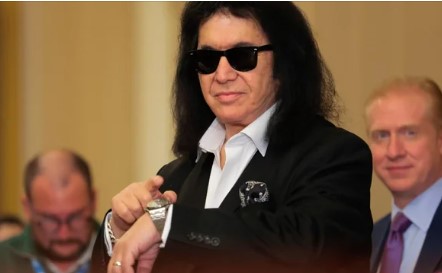
Gene Simmons says musicians are treated “worse than slaves” because radio stations profit from their work without paying performers, reigniting the debate over fair compensation.
A Blunt Critique of the Music Industry
December 9, 2025: Gene Simmons is once again making headlines for his unfiltered views—this time calling out the radio industry for what he sees as systemic exploitation of musicians. The KISS co-founder claimed that artists are treated “worse than slaves” because traditional radio stations continue to profit from music without directly paying performers.
Why Simmons Says Radio Is the Problem
Simmons argued that while radio generates billions through advertising, artists receive no performance royalties when their songs are played on terrestrial radio. According to him, this long-standing industry model strips musicians of fair compensation while corporations benefit from their creative labor.
He framed the issue as deeply outdated, insisting that no other profession would accept this kind of arrangement.
A Controversial Comparison
The “worse than slaves” remark immediately drew attention for its intensity. While some criticized the wording as extreme, Simmons maintained that his point was about economics, not history—stressing that artists work for free while others profit from their output.
The comment reignited divided reactions, with some praising his candor and others condemning the language.
An Ongoing Industry Debate
The issue of radio royalties has long been contested in the music business. In the U.S., terrestrial radio stations are legally required to pay songwriters and publishers—but not recording artists or labels. Streaming platforms, by contrast, do pay performers, albeit often at rates artists argue are still insufficient.
HOLR has the latest news on how legacy music systems continue to clash with modern expectations around artist compensation.
Artists vs. Broadcasters
Broadcasters have historically defended the model by arguing that radio airplay offers free promotion for artists, helping drive concert ticket and merchandise sales. Simmons rejected that claim, calling it an excuse that no longer holds up in a digital-first music economy.
He noted that exposure does not pay rent, fund tours, or sustain long-term careers for working musicians.
Fans React to the Statement
Online reaction has been mixed but intense. Some fans applauded Simmons for speaking openly about an issue many artists avoid publicly. Others pushed back, saying his framing overshadowed legitimate concerns about fair pay with inflammatory rhetoric.
Despite the backlash, the conversation around radio royalties gained renewed visibility.
A Familiar Role for Simmons
Known for his outspoken opinions on money, music, and power, Simmons has never shied away from controversy. His latest statement fits a long pattern of challenging industry norms—even when it sparks discomfort or criticism.
HOLR notes that regardless of tone, Simmons often succeeds in forcing uncomfortable industry conversations into the mainstream.
Why It Matters Now
As artists increasingly rely on touring and merchandising to survive, debates about compensation have become more urgent. With radio still playing a major role in music discovery, the lack of artist payment remains a sticking point—especially as media companies continue to post strong profits.
The Bigger Picture
Whether one agrees with Simmons’ phrasing or not, his comments underline a central issue: who gets paid—and who doesn’t—in the music ecosystem. As technology reshapes how music is consumed, pressure continues to mount on legacy systems to evolve.
Published by HOLR Magazine