


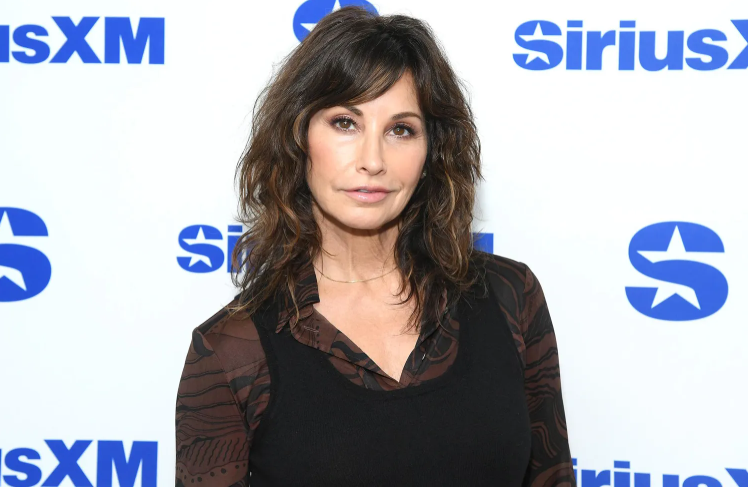
Actress calls proposed topless death “exploitation 101”
Gina Gershon Opens Up About Early Career Decision
March 30, 2026 – Gina Gershon is revisiting a defining moment from the start of her career—revealing that she turned down a lead role in the iconic horror franchise Friday the 13th Part 2 due to a scene she found unnecessarily exploitative.
The role would have marked her major film debut, a significant opportunity for any aspiring actress. However, Gershon chose to walk away after learning details about a topless death scene involving her character.
Her candid reflection offers insight into the kinds of decisions actors often face early in their careers—especially in genres known for pushing boundaries.
:max_bytes(150000):strip_icc()/Gina-Gershon-Showgirls-031126-def98ccfcfba46d5b9dbdb9e317ac5ed.jpg)
Image Credit: MGM
Why She Rejected the Role
According to Gershon, the scene in question involved her character being killed while topless, a trope commonly associated with slasher films of that era. She described the moment as feeling both unnecessary and disconnected from meaningful storytelling.
She ultimately labeled the concept “exploitation 101,” explaining that the nudity did not serve the character or narrative in any meaningful way.
For Gershon, the issue wasn’t nudity itself—but rather how and why it was being used. She emphasized that she has never been opposed to on-screen nudity when it contributes to the story, but this particular instance felt gratuitous.
A Defining Moment of Self-Trust
At the time, Gershon was just starting out, making the decision even more significant. Turning down a lead role in a major film franchise could have had serious career implications.
Before making her final choice, she sought advice from her father, who encouraged her to trust her instincts. Rather than imposing his own opinion, he told her the decision was entirely hers—a moment that left a lasting impression.
That guidance ultimately reinforced her confidence in walking away. Gershon later reflected that trusting her instincts became a recurring theme throughout her career.
Image Credit: Getty Images
Horror Genre and Exploitation Tropes
The slasher genre, particularly in the late 1970s and early 1980s, often relied on formulaic elements—graphic violence, suspense, and frequently, the sexualization of female characters.
Scenes involving nudity before a character’s death became a recognizable trope, one that has since been widely critiqued. Gershon’s decision highlights an early awareness of these patterns and a willingness to challenge them.
By refusing the role, she distanced herself from a trend that many now view as outdated or problematic. Her stance also reflects a broader shift in how audiences and creators approach representation in horror films today.
Not Against Nudity—But It Must Serve the Story
One of the most important clarifications Gershon has made is that her decision was not rooted in discomfort with nudity itself. Throughout her career, she has taken on roles that include explicit content—most notably in Showgirls.
However, she has consistently emphasized that such choices must have purpose. In her view, nudity should contribute to character development, thematic depth, or narrative progression—not exist purely for shock value.
This distinction is central to understanding her decision. It wasn’t about rejecting bold material—it was about rejecting material that lacked substance.

Image Credit: Dia Dipasupil/Getty Images
Career Path After Turning It Down
Despite passing on the role, Gina Gershon went on to build a successful and diverse career. She made her film debut shortly after and gradually established herself as a versatile performer across genres.
Her breakout role in Showgirls later brought her widespread recognition, even though the film itself initially faced criticism before gaining cult status.
Looking back, her early decision did not hinder her trajectory—in fact, it may have helped shape the kind of roles she chose moving forward.
A Reflection on Industry Standards
Gershon’s story is part of a larger conversation about how the entertainment industry has evolved. Practices that were once normalized—particularly around gender and representation—are now being reexamined through a more critical lens.
Her experience underscores the importance of agency, especially for young actors navigating an industry that can sometimes prioritize spectacle over substance.
It also highlights how individual decisions can contribute to broader cultural shifts, even if those decisions are made quietly and without immediate recognition.

Image Credit: Getty Images
Why Her Story Still Resonates
In today’s landscape, where conversations around representation, consent, and storytelling are more prominent than ever, Gershon’s reflection feels particularly relevant.
Her decision to walk away from a role based on personal values resonates with a new generation of performers who are increasingly vocal about the types of projects they choose to be part of.
It also serves as a reminder that success in Hollywood does not require compromising one’s principles—a message that continues to gain traction in an evolving industry.
Final Thoughts
Gina Gershon’s decision to turn down a role in Friday the 13th Part 2 may have seemed risky at the time, but it ultimately reflects a commitment to authenticity and self-respect. By refusing to participate in what she saw as gratuitous exploitation, she set a standard for the kinds of choices she would make throughout her career.
Her story is not just about one role—it’s about the importance of trusting one’s instincts and recognizing the difference between meaningful storytelling and unnecessary spectacle. In an industry that continues to evolve, that distinction remains as important as ever.
FAQs
Q1: Why did Gina Gershon turn down Friday the 13th Part 2?
She declined the role because it included a topless death scene she felt was exploitative.
Q2: Was she against nudity in films?
No, she has stated that she is open to nudity if it serves the story and character.
Q3: What did she call the scene?
She described it as “exploitation 101.”
Q4: Did this decision affect her career?
No, she went on to have a successful acting career with notable roles.
Q5: What film later made her widely known?
She gained major recognition for her role in Showgirls.
Published by HOLR Magazine