


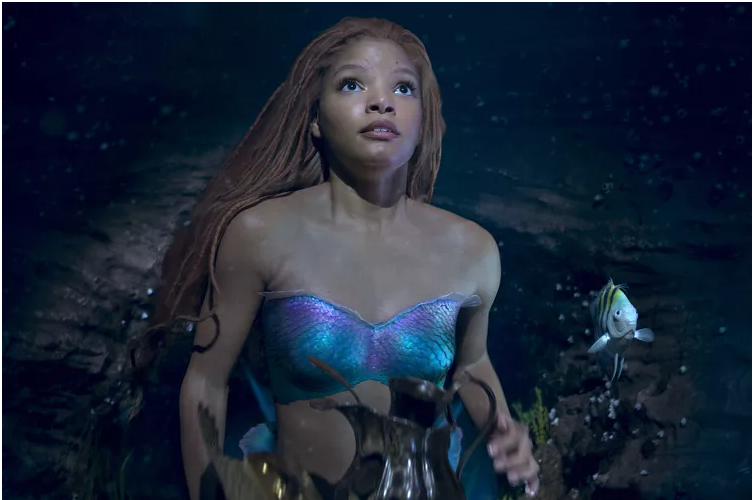
The actress opens up about resilience after facing racist criticism
Halle Bailey Speaks on Navigating Backlash
April 07, 2026 – Halle Bailey is opening up about how she learned to rise above negativity following the backlash to her casting in The Little Mermaid. The actress, who played Ariel in the Disney remake, faced widespread racist criticism when her casting was first announced—sparking global conversations about representation in Hollywood.
Reflecting on that period, Bailey shared that she has since learned “how to block out the noise,” focusing instead on her craft, personal growth, and the positive impact of her work.
:max_bytes(150000):strip_icc():focal(749x0:751x2):format(webp)/halle-bailey-grammys-2026-020126-3928346c2e544dfdba4247b18af34f73.jpg)
Image Credit: Amy Sussman/Getty
The Casting That Sparked Global Debate
When The Walt Disney Company announced Bailey as Ariel, the reaction was immediate and polarized. While many praised the decision as a step forward for inclusivity, others responded with racist backlash, questioning the casting choice.
The controversy quickly escalated online, turning Bailey into the center of a broader cultural debate about race, representation, and the evolution of classic characters. Despite the negativity, support from fans, fellow artists, and industry figures helped counterbalance the criticism.
“Blocking Out the Noise” as a Survival Tool
Bailey’s recent comments highlight the emotional toll that such backlash can take—and the strategies required to move forward. Learning to “block out the noise” became essential for maintaining her mental well-being and staying focused on her performance.
In an era where social media amplifies both praise and criticism, this approach reflects a growing necessity for public figures. By tuning out harmful narratives, Bailey was able to remain grounded and committed to her role.
Her experience resonates with many who face online criticism, reinforcing the importance of self-preservation in highly visible spaces.
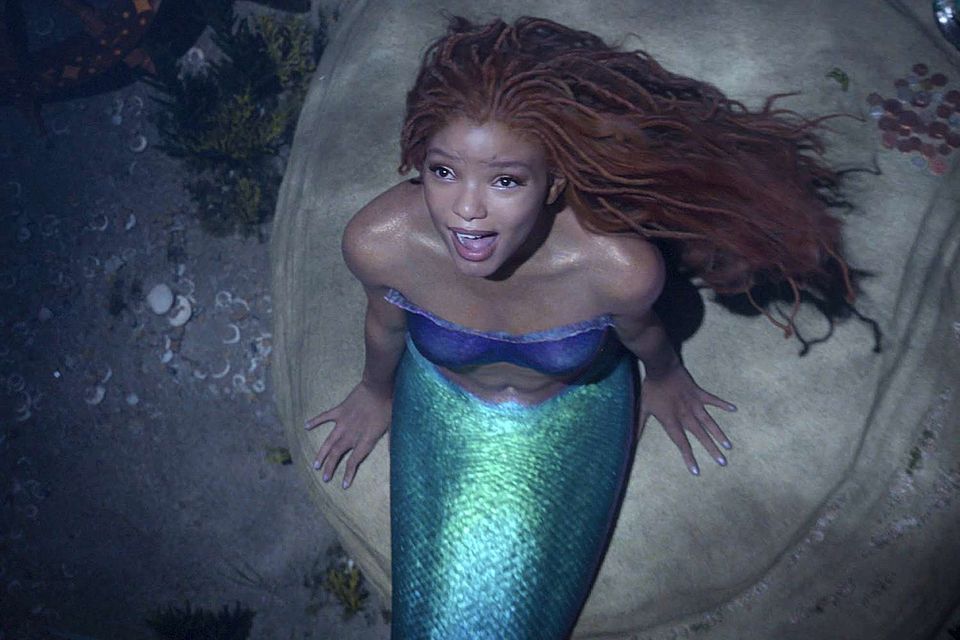
Image Credit: Disney
Turning Criticism Into Empowerment
Rather than allowing the backlash to define her, Bailey transformed the experience into a source of strength. Her portrayal of Ariel ultimately became a milestone moment, celebrated for bringing a fresh perspective to a beloved character.
For many young viewers—particularly those from underrepresented communities—seeing Bailey in the role was deeply meaningful. Videos of children reacting joyfully to her casting went viral, underscoring the importance of representation in media.
This shift from controversy to celebration highlights how impactful storytelling can reshape narratives over time.
The Film’s Cultural Impact
The Little Mermaid went on to achieve significant commercial success and cultural relevance. While debates around its casting continued, the film itself became a symbol of changing industry norms.
Bailey’s performance was widely discussed, not only for its artistic merit but also for what it represented in terms of progress. The conversation extended beyond the film, influencing how studios approach casting and diversity.
The project stands as a reminder that entertainment can both reflect and drive societal change.
Support From the Industry and Fans
Throughout the backlash, Bailey received strong support from fellow actors, musicians, and fans. This collective backing played a crucial role in countering negativity and reinforcing her place in the industry.
The outpouring of support also demonstrated a shift in audience attitudes, with many viewers actively advocating for inclusivity and representation. This cultural momentum has continued to shape conversations in Hollywood and beyond.
Bailey’s ability to focus on that positivity helped her navigate one of the most challenging moments of her career.
Redefining Strength in the Public Eye
Bailey’s journey reflects a broader redefinition of strength in the entertainment industry. Rather than remaining silent, she has chosen to address her experiences with honesty and resilience.
By sharing how she coped with the backlash, she contributes to a more open dialogue about the realities of fame—particularly for young Black actresses in high-profile roles.
Her story serves as both inspiration and insight, highlighting the importance of perseverance in the face of adversity.
:max_bytes(150000):strip_icc():focal(485x42:487x44):format(webp)/halle-bailey-bikini-011023-1-363ae48c2cb94713b4e0964d221a681f.jpg)
Image Credit : Halle Bailey/instagram
Final Thoughts
Halle Bailey’s reflections on the backlash surrounding The Little Mermaid reveal a journey defined by resilience and growth. By learning to “block out the noise,” she not only protected her well-being but also emerged stronger and more confident.
Her experience underscores the evolving landscape of Hollywood, where conversations about representation continue to shape the future. Ultimately, Bailey’s story is a testament to the power of perseverance—and the impact of staying true to oneself amid external pressures.
FAQs
Q1: Why did Halle Bailey face backlash for The Little Mermaid?
She faced racist criticism after being cast as Ariel, as some people objected to a Black actress playing the role.
Q2: What did Halle Bailey say about handling criticism?
She said she learned how to “block out the noise” and focus on her work and well-being.
Q3: How did audiences react to her performance?
Many fans praised her portrayal, and it resonated strongly with audiences, especially young viewers.
Q4: What impact did the film have?
It became an important moment for representation and sparked ongoing conversations about diversity in casting.
Q5: What message does her story convey?
It highlights resilience, self-confidence, and the importance of staying focused despite criticism.
Published by HOLR Magazine