


More than 1,000 industry voices push back against major media consolidation
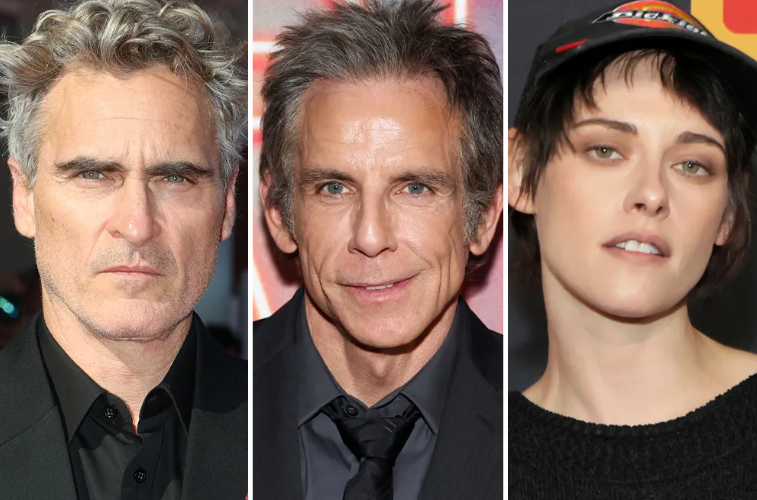
Joaquin Phoenix, Ben Stiller, Kristen Stewart Lead Opposition
April 13, 2026 – A growing wave of resistance is emerging in Hollywood as over 1,000 actors, filmmakers, and industry professionals—including Joaquin Phoenix, Ben Stiller, and Kristen Stewart—have signed an open letter opposing the proposed merger between Paramount and Warner Bros. Discovery.
The letter calls for regulators to “block the merger,” arguing that the deal could have serious consequences for the film and television industry. The signatories represent a wide cross-section of Hollywood, from A-list stars to writers, directors, and behind-the-scenes professionals, signaling a rare moment of unified industry pushback.

Image Credit: Getty Images
What the Paramount–Warner Deal Involves
The proposed merger, valued at roughly $110–$111 billion, would combine two of Hollywood’s most historic studios—Paramount and Warner Bros. Discovery—into a single media powerhouse.
If completed, the deal would significantly reshape the entertainment landscape, consolidating film production, television networks, and streaming platforms under one umbrella.
However, critics argue that this level of consolidation could reduce competition in an already shrinking industry, making it harder for diverse voices and independent creators to thrive.
Why Hollywood Is Pushing Back
The open letter outlines several major concerns about the merger’s potential impact.
Signatories warn that combining two major studios would likely lead to fewer jobs, fewer creative opportunities, and higher production costs. They also argue that audiences could face reduced choice in content as fewer companies control what gets made and distributed.
One of the most striking points raised is that the merger could reduce the number of major U.S. film studios to just four—an alarming level of consolidation for many in the industry.

Image Credit: Getty Images
“Block the Merger”: A Strong Message
The tone of the letter is notably forceful, with signatories expressing “unequivocal opposition” to the deal and urging regulators to intervene.
Rather than simply raising concerns, the group is actively calling for action, emphasizing that the stakes go beyond corporate restructuring and could fundamentally alter the future of filmmaking.
This level of direct advocacy reflects the seriousness with which many industry professionals view the situation.
Concerns Over Jobs and Creative Freedom
A major theme in the opposition is the potential loss of jobs across the production ecosystem.
When large companies merge, overlapping roles are often eliminated—a reality that many fear could impact thousands of workers, from studio employees to freelancers and independent contractors.
Beyond employment, there is also concern about creative freedom. With fewer studios competing for projects, creators may have fewer opportunities to pitch original ideas or secure funding for unconventional stories.
Image Credit: Paramount / Warner Bros.
The Broader Impact on Storytelling
The letter also highlights fears about the long-term effects on storytelling itself.
Hollywood has already seen a decline in mid-budget films and a growing focus on franchise-driven content. Critics of the merger argue that further consolidation could accelerate this trend, limiting the diversity of stories being told.
For many signatories, the issue is not just economic—it’s cultural. The ability to tell varied, meaningful stories is seen as essential to the industry’s identity.
Industry Already Facing Pressure
The opposition comes at a time when Hollywood is still recovering from major disruptions, including streaming shifts, production slowdowns, and previous rounds of consolidation.
Many in the industry feel that another major merger could add further strain, particularly for smaller production companies and independent creators who are already navigating a challenging environment.
This context helps explain why the response has been so strong and widespread.
Image Credit: Paramount / Warner Bros.
Supporters of the Deal Say Otherwise
While the open letter reflects significant opposition, supporters of the merger argue that consolidation can strengthen the industry by creating more efficient operations and competitive global platforms.
Executives involved in the deal have suggested that combining resources could lead to increased output and stronger positioning against streaming giants.
However, these assurances have not fully addressed concerns from many within the creative community.
A Defining Moment for Hollywood’s Future
The debate surrounding the Paramount–Warner merger has become a defining moment for the entertainment industry.
On one side are those who see consolidation as a necessary evolution in a competitive global market. On the other are creators who fear that too much consolidation will limit opportunity, diversity, and innovation.
The outcome of this debate could shape the structure of Hollywood for years to come.
Final Thoughts
The open letter signed by Joaquin Phoenix, Ben Stiller, Kristen Stewart, and more than 1,000 Hollywood figures represents a powerful statement against the proposed Paramount–Warner merger.
FAQs
Q1: What is the Paramount–Warner merger?
It is a proposed $110+ billion deal to combine Paramount and Warner Bros. Discovery.
Q2: Why are Hollywood figures opposing it?
They fear job losses, reduced opportunities, and less creative diversity.
Q3: Who signed the open letter?
Over 1,000 industry professionals, including Joaquin Phoenix, Ben Stiller, and Kristen Stewart.
Q4: What does “Block the Merger” mean?
It’s a call for regulators to stop the deal from being approved.
Q5: Has the merger been approved yet?
No, it is still pending regulatory and shareholder approval.
Published by HOLR Magazine