


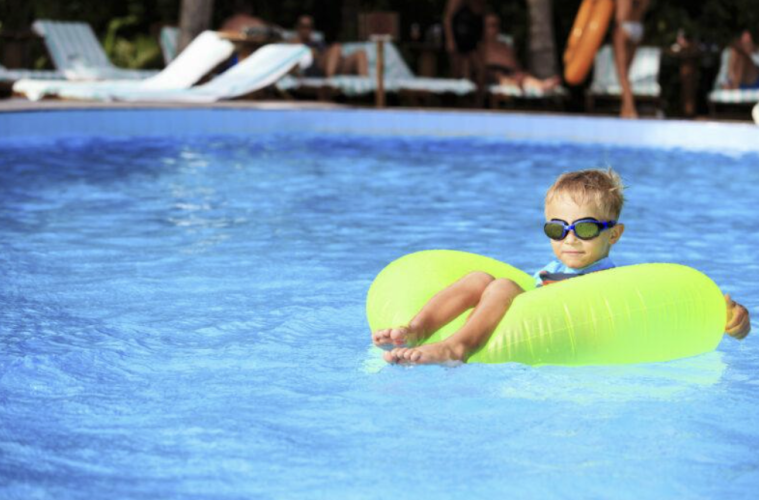
Having a swimming pool at home is a great way to relax and have fun with your family. But along with the fun, it also brings big safety responsibilities. Accidents can happen fast, even when adults are watching, so pool safety should always come first.
Among all pool accidents, the risk of drowning is the most serious and often the most unexpected. Drowning is a real danger, especially for children under four years old in the U.S., with over 4,000 deaths every year. These numbers remind us that even a few minutes of carelessness can lead to tragedy.
To prevent child drowning, swimming pool owners must take extra safety steps. One of the best and easiest ways to do this is by installing a pool alarm. It alerts you the moment someone enters the water, helping you act fast and keep your loved ones safe.
Pool Alarms
A pool alarm is a safety device that helps protect your family by warning you when someone or something enters your pool without permission. It is designed to detect motion, waves, or changes in water levels and then sound a loud alert to grab your attention.
This quick warning can help you respond immediately and prevent accidents before they turn serious. It helps keep your pool safety strong and reliable.
Types of Pool Alarms
There are different types of pool alarms, and each one works in its own way to keep your pool safe. The main types include surface wave alarms, subsurface alarms, gate alarms, and wearable alarms.
- Surface wave alarms float on the water and detect ripples or waves when someone enters the pool. They’re simple to set up and best for small pools.
- Subsurface alarms sit under the water and detect pressure or movement. They are more accurate and less likely to sound false alarms from wind or rain.
- Gate alarms attach to pool gates and make a sound when the gate is opened without permission, which helps stop children from getting near the pool.
- Wearable alarms are worn by children or pets, and they sound an alarm if the wearer falls into the water.
Each type serves a different need, and many families use more than one for full protection.
Choosing the Right Pool Alarm for Your Home
When choosing a pool alarm, think about your pool’s size, location, and who uses it most. Here are the key things to look for:
- Pool Type and Size:
For small or medium pools, surface wave alarms usually work well. For larger or deeper pools, subsurface alarms are better since they detect movement under the water more accurately. If you have an above-ground pool, gate alarms or wearable alarms may be a smarter choice. - Sensitivity and Accuracy:
A good pool alarm should be sensitive enough to detect real movement but not so sensitive that it goes off for wind, rain, or floating leaves. Look for alarms with adjustable sensitivity settings. This helps you reduce false alarms while still keeping the system reliable. - Sound and Range:
The alarm should be loud enough to hear inside your home or backyard. Some alarms come with a wireless receiver that you can keep indoors. Make sure the sound is clear and strong, especially if you live in a larger house. - Ease of Use and Installation:
Choose a pool alarm that’s easy to install and maintain. Some alarms require drilling or professional setup, while others are simply placed on the pool surface. Make sure it’s weather-resistant and check the battery life regularly. - Smart Features:
Modern pool alarms come with smart features such as Wi-Fi connectivity, mobile app alerts, or Bluetooth pairing. These allow you to receive alerts on your phone even when you’re not at home. If you travel often or have a large property, this feature can be very useful. - Durability and Quality:
Invest in a trusted brand that offers strong build quality and good customer reviews. Cheaper alarms might save money at first but could fail during emergencies. Always choose a model tested and approved for pool safety standards. - Budget and Maintenance:
Pool alarms come in different price ranges, from basic models to advanced systems. Pick one that fits your budget but doesn’t compromise safety. Remember to test it often and replace batteries or sensors when needed.
By keeping these points in mind, you can choose the right pool alarm that fits your needs and keeps your family safe around the water.
Key Takeaways
- Pool alarms provide an early warning system that helps prevent accidents and save lives.
- Different types of pool alarms, such as surface, subsurface, gate, and wearable, offer unique safety benefits.
- Choosing the right alarm depends on your pool’s size, type, and who uses it most.
- Look for alarms with adjustable sensitivity, loud alerts, and smart features for better protection.
- Regular testing and maintenance ensure your pool alarm stays reliable and effective over time.
Published by HOLR Magazine.