


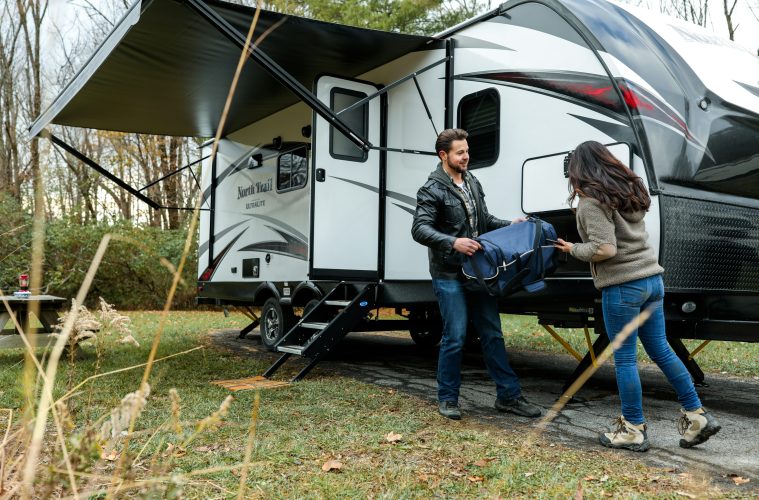
Rolling into a new RV campground feels exciting and a little uncertain. You juggle check-in details, site selection, hookups, neighbors, and local rules, often after a long drive. With a few insider strategies, you turn that uncertainty into a smoother arrival and a more relaxed stay.
You do not need decades of full-time travel to navigate popular parks with confidence. You need a simple system for research, arrival, setup, and daily routines that respects both your needs and the rhythm of the campground.

Do Smart Homework Before You Book
The experience at a top campground starts long before you reach the gate. Good research saves you from tight sites, noisy roads, and mismatched expectations. Start with location and access. Look at satellite maps to see how close the park sits to highways, train tracks, or busy event venues. A beautiful park near a major road can feel loud at night, while a slightly farther drive may deliver more peace.
Check site length, width, and slide-out clearance. Measure your rig and toad, then compare those numbers with site details. Call the office if you feel unsure. Staff who know their layout well can guide you toward sites that fit your size and turning radius. Clear information here prevents stressful backing maneuvers at sunset.
Learn From RVers Who Share Real Experience
Fellow travelers offer some of the most valuable campground insight. They see parks from the perspective of long drives, tank management, and real-life comfort. Travel forums, social channels, and RV-specific review sites hold a wealth of tips for big rigs or families with specific needs. Many campers follow Ty Chapman and others who give honest reviews of trails, campgrounds, and the real road-tested gear, then cross-check that advice with their own priorities. One traveler may love a lively atmosphere, while another prefers a quiet, older park with more space.
Use these voices as guides, not orders. Note which reviewers share your style. If someone travels with kids, pets, or a similar-sized rig, their comments likely match your reality more closely. Keep a list of trusted sources and refer to them when you plan new routes. Your sense of which parks fit your rhythm grows sharper.
Arrive With A Clear Arrival Routine
The first thirty minutes in a campground often set the tone for the entire stay. A small arrival routine helps you avoid rushed decisions and missed steps. Plan to reach the park well before dark whenever possible. Daylight makes it easier to read signs, judge turns, and spot low branches or tight corners.
Stop outside the office or staging area, set the brake, and take a breath before you walk in. Have your reservation details, license plate number, and payment method ready. Ask staff for a park map and for any details that do not appear online, such as current construction, best exits, or suggested routes through the park for your rig length.
Set Up Once, Then Tweak For Comfort
After you park, follow a consistent setup order. Many RVers chock the wheels, lower stabilizers, connect power, then hook up water and sewer. Whatever sequence you choose, keep it the same each time so your body remembers the pattern. A printed checklist near the door helps during tired arrivals.
Once you complete the basics, add comfort touches. Position outdoor mats to catch dirt before it enters the rig. Set up chairs under any available shade. If rules allow, place a small table and string simple lights for evening use. A tidy, welcoming outdoor space extends your living area and encourages you to spend more time outside.
Respect Campground Etiquette And Unwritten Rules
Top campgrounds maintain their reputation because guests and staff share the space with care. Clear rules handle quiet hours, pet conduct, site limits, and speed limits, yet many parks also follow unwritten norms. Awareness of these habits helps you blend in and avoid tension.
Keep noise moderate, especially early in the morning and late at night. If you enjoy music or movies outside, use reasonable volume and end them before quiet hours. Aim headlights away from neighboring windows when you return after dark.
Use Amenities Intentionally, Not Just Because They Exist
Many top campgrounds offer pools, hot tubs, laundry rooms, dog parks, playgrounds, and community events. You gain more from these features when you match them with your own needs instead of trying to use everything.
Plan laundry runs during slower times, such as midweek mornings, to avoid crowds. Visit the pool early or late in the day if you prefer a calmer swim. Join community events that match your interests, such as potlucks, hiking groups, or game nights. These settings often introduce you to people who travel with a similar style and can share trustworthy tips.
These habits turn each stay into more than a parking spot. They create space for rest, connection, and genuine enjoyment on the road, no matter how many miles stand between you and the next campground gate.
Published by HOLR Magazine.