


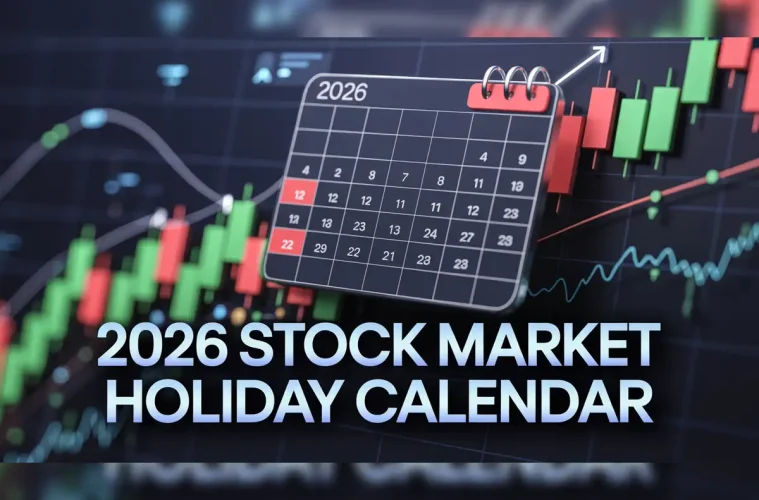
Confusion always hits at year-end — here’s when Wall Street actually shuts down (and when it doesn’t)
Year-End Trading Reality
December 30, 2025 — Every December, the same question pops up: Is the stock market closed on New Year’s Eve? The short answer surprises a lot of people — no. The NYSE and Nasdaq both operate on a normal schedule on New Year’s Eve, even as offices wind down and most workplaces shift into holiday mode. For traders, that means the bell still rings, volatility still happens, and portfolios can still move when many assume the year is already “over.”
Image Credit: News18
Why Wall Street Stays Open
Unlike some global exchanges that shorten or pause trading around holidays, U.S. markets traditionally keep December 31 business as usual. The thinking is simple: year-end positioning matters. Funds rebalance, investors lock in gains (or losses), and markets want maximum liquidity before the calendar resets.
Yet that consistency creates confusion — especially for casual investors who assume the holiday spirit extends to the stock floor. Spoiler: it doesn’t.
New Year’s Day Is Different
While New Year’s Eve keeps trading alive, New Year’s Day is a full market holiday. No equities trading, no regular bond trading — everything pauses. That one-day shutdown tends to serve as an emotional reset: a clean line between one market narrative and the next.
Of course, the internet never sleeps — and neither does speculation. But trading itself waits until the next business day.
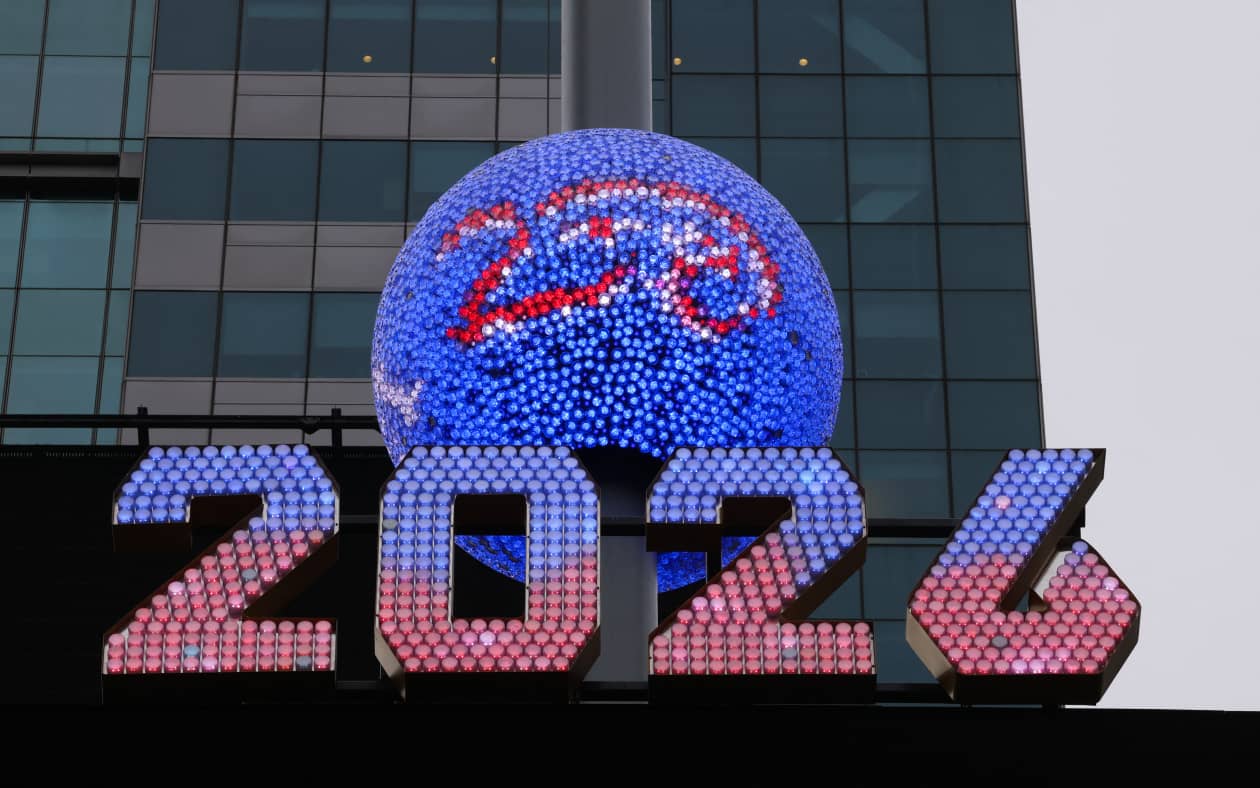
Image Credit: MarketWatch
The Full 2026 Stock Market Holiday Schedule
Here’s when the NYSE and Nasdaq are currently scheduled to close in 2026:
New Year’s Day — January 1
Martin Luther King Jr. Day — January 19
Presidents Day — February 16
Good Friday — April 3
Memorial Day — May 25
Juneteenth — June 19
Independence Day (observed) — July 3
Labor Day — September 7
Thanksgiving — November 26
Christmas Day — December 25
And yes, expect early closes around key dates — particularly the day after Thanksgiving and Christmas Eve.
.png)
Image Credit: Swastika Investmart
Why This Matters More Than People Realize
Holiday timing affects trading behavior. Liquidity thins. Price swings can exaggerate. Big institutional players sometimes sit out — leaving retail investors exposed to sharper moves than expected.
That’s why seasoned traders keep calendars close — not for party planning, but risk management.
Misread the schedule, and you can either miss an opportunity or panic over a move that settles itself once normal volume returns.
Image Credit: The Bonus
The Takeaway for Investors
If you’re placing trades around the holidays, remember:
New Year’s Eve is open
New Year’s Day isn’t
2026 has multiple built-in pauses that can influence momentum
Markets may love tradition, but they hate assumptions. Knowing when Wall Street sleeps — and when it doesn’t — can be the difference between a smart decision and an accidental gamble.
Published by HOLR Magazine