


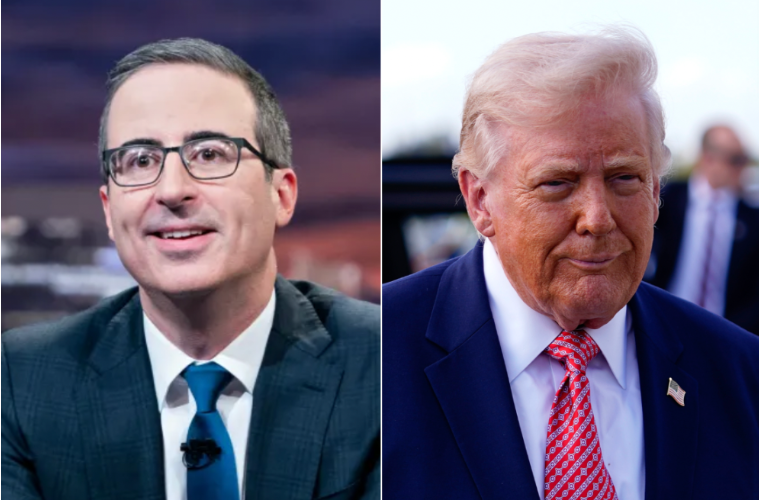
Comedian blends satire and activism in latest campaign
John Oliver Launches Unusual Protest
March 31, 2026 – John Oliver is once again turning satire into action, this time by selling stickers designed to cover Donald Trump’s face on U.S. national park passes.
The initiative was introduced during a recent episode of Last Week Tonight with John Oliver, where Oliver encouraged viewers to purchase the stickers as both a humorous gesture and a form of protest. His message was clear: if you’re visiting national parks, you shouldn’t have to “look at the guy who’s actively trying to ruin them.”

Image Credit: Matthew Micah Wright/Getty Images
The Idea Behind the Stickers
The stickers are designed to fit directly over Trump’s image on the official America the Beautiful park passes. While playful in concept, the campaign carries a deeper message about environmental policy and the preservation of public lands.
John Oliver framed the initiative as a way for individuals to express dissatisfaction with decisions that, in his view, negatively impact national parks and protected areas.
By combining humor with a tangible product, Oliver has created a form of activism that is both accessible and shareable.
Satire Meets Environmental Advocacy
This campaign is part of a broader segment in which Oliver discussed policies affecting national parks, including funding, conservation efforts, and land use decisions.
His criticism of Donald Trump focused on what he يرى as actions that could undermine the long-term preservation of these spaces.
The sticker idea serves as a symbolic response—using comedy to draw attention to serious environmental concerns while engaging audiences in a more interactive way.
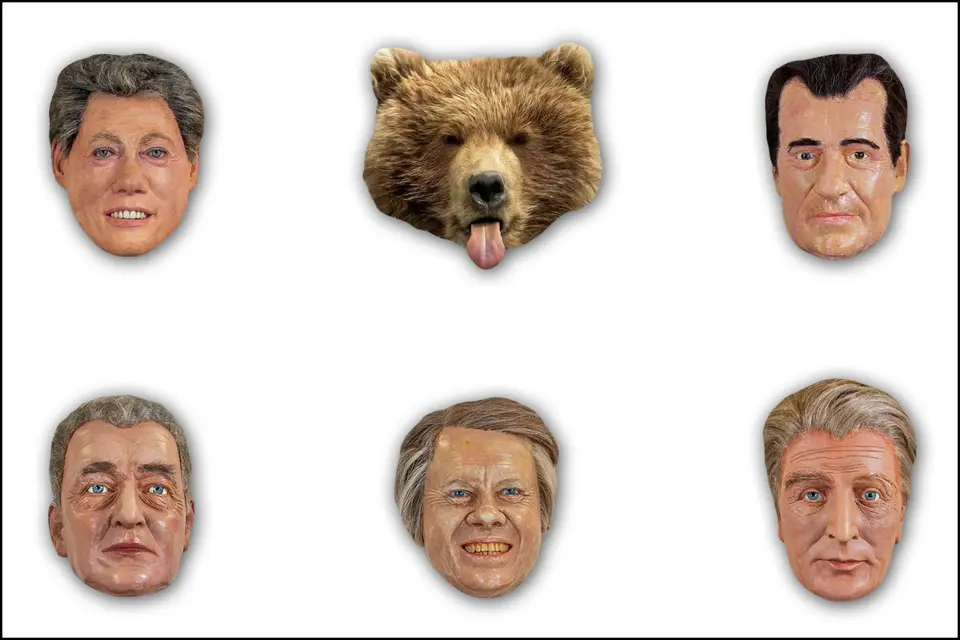
Image Credit: johnolivergivestrumpheads.com
A Pattern of Creative Campaigns
John Oliver is known for extending his segments beyond commentary into real-world initiatives. Over the years, Last Week Tonight has launched various campaigns that combine humor with activism, often encouraging viewers to participate directly.
These efforts blur the line between entertainment and advocacy, transforming satire into something more actionable. The sticker campaign fits squarely within this approach, offering audiences a simple yet visible way to engage with the issue.
Public Reaction and Online Buzz
The campaign quickly gained traction online, with viewers sharing images and reactions across social media. Many praised the idea for its creativity and humor, while others debated the effectiveness of such symbolic gestures.
Supporters see it as a clever way to raise awareness, while critics argue that it oversimplifies complex policy discussions. Regardless of perspective, the campaign has successfully sparked conversation—one of Oliver’s primary goals.
Image Credit: johnolivergivestrumpheads.com
The Role of Humor in Political Discourse
Oliver’s approach highlights the growing influence of comedy in shaping political conversations. By framing serious issues through humor, he makes them more accessible to a wider audience.
This strategy can help bring attention to topics that might otherwise receive limited engagement, particularly among younger viewers who consume news through entertainment platforms.
At the same time, it raises questions about the balance between humor and depth in addressing complex issues.
Why National Parks Are Central to the Debate
National parks hold a unique place in American culture, representing both natural beauty and a commitment to conservation.
Discussions about their management often involve competing priorities, including environmental protection, economic interests, and public access.
By focusing on these spaces, John Oliver taps into a widely shared sense of value, making the issue more relatable and emotionally resonant for audiences.

Image Credit: Courtesy of HBO
A Symbolic Yet Impactful Gesture
While covering a face on a park pass may seem like a small act, it reflects a broader trend of symbolic activism.
These gestures, though often lighthearted, can contribute to larger conversations by keeping issues in the public eye. They also provide individuals with a way to express their views in everyday contexts.
Oliver’s campaign demonstrates how even simple actions can carry meaning when tied to a larger narrative.
Final Thoughts
John Oliver’s sticker campaign is a quintessential example of how satire can evolve into participatory activism. By combining humor with a clear message, he has created a moment that is both entertaining and thought-provoking.
Whether seen as a clever protest or a playful gimmick, the initiative underscores the power of creative expression in modern political discourse. As conversations around environmental policy continue, campaigns like this show that even small, symbolic actions can play a role in shaping public awareness.
FAQs
Q1: What is John Oliver selling?
He is selling stickers designed to cover Donald Trump’s face on national park passes.
Q2: Why did he create this campaign?
To protest policies he believes negatively impact national parks.
Q3: Where was this introduced?
On his show Last Week Tonight with John Oliver.
Q4: What has been the public reaction?
Reactions have been mixed, with both praise and criticism.
Q5: What is the main message behind the campaign?
It highlights concerns about environmental policies and public land preservation.
Published by HOLR Magazine