



The actress reflects on how cultural shifts reshape old classics
Revisiting a Career-Defining Film
January 8, 2026: Julia Roberts has acknowledged that Pretty Woman is viewed differently today than when it was released, citing broader cultural shifts that have changed how audiences interpret the story. The romantic comedy, once celebrated almost universally, now invites more complex conversations.
Roberts framed the evolution as natural rather than critical.
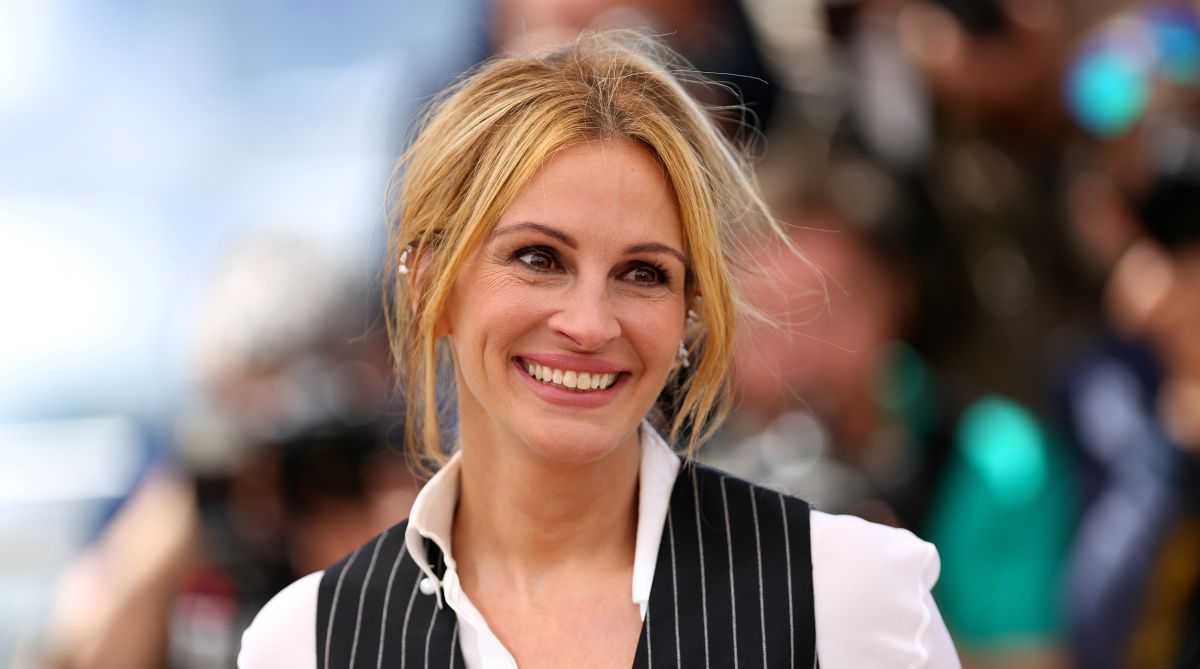
Image Credit: IANS
How Time Changes Interpretation
According to Roberts, films don’t exist in a vacuum—they age alongside the society watching them. What once played as fantasy romance is now more often examined through lenses of power dynamics, gender roles, and agency.
The story hasn’t changed, but the audience has.

Image Credit: Instagram @juliaroberts
A Film of Its Era
Pretty Woman arrived at a time when glossy escapism dominated mainstream cinema. Its fairy-tale framing and upbeat tone reflected cultural expectations of the era, particularly in romantic storytelling.
Today’s viewers tend to interrogate those same elements more closely.
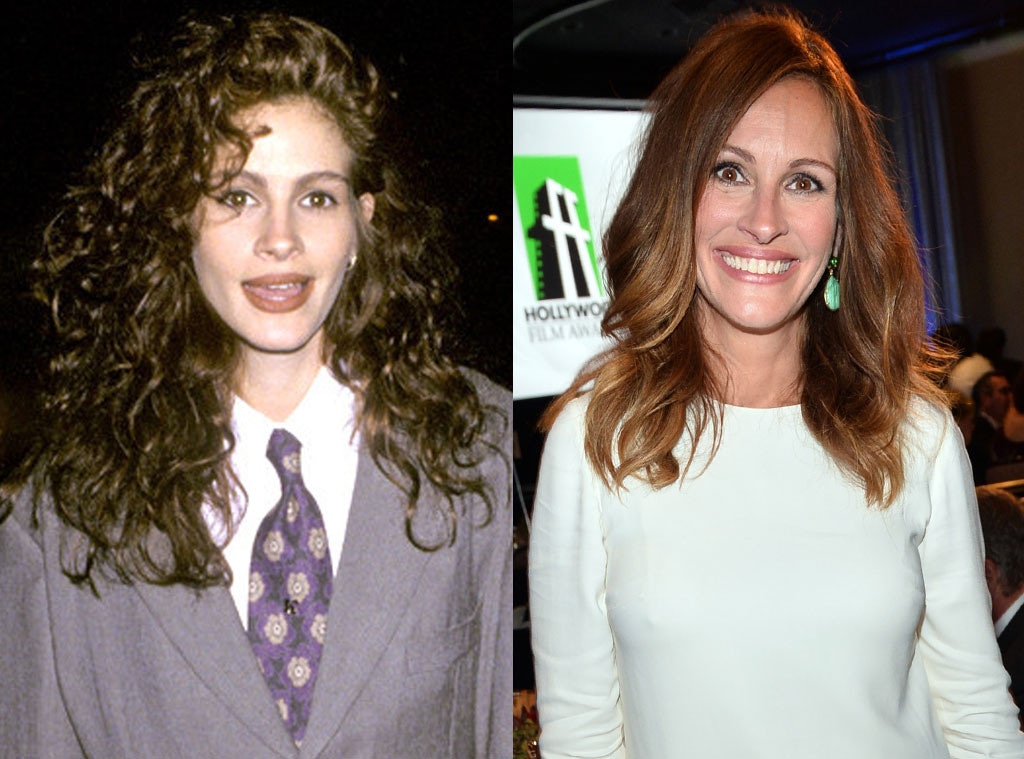
Image Credit: Getty Images
Nostalgia Versus Modern Perspective
Roberts made clear that acknowledging cultural shifts doesn’t mean disowning the film. Instead, she emphasized the value of holding nostalgia and critique at the same time—appreciating what the movie meant while recognizing how standards evolve.
It’s reflection, not rejection.
Ongoing Conversations in Hollywood
Her comments echo a larger trend in Hollywood, where stars and studios revisit past work with greater awareness of representation and messaging. As classic films re-enter the cultural conversation, reassessment has become part of their legacy.
Reevaluation is now routine.

Image Credit: WireImage
Why the Film Still Endures
Despite changing perspectives, Pretty Woman remains a cultural touchstone, anchored by Roberts’ breakout performance and undeniable chemistry. Its continued relevance—even through critique—speaks to its lasting impact.
Few films spark conversation decades later.
Final Thoughts
Julia Roberts’ reflection on Pretty Woman highlights how art evolves alongside culture. The film may look different through a modern lens, but that shift is part of what keeps it alive in public discourse.
Sometimes, longevity means learning to see familiar stories in new ways.
Published by HOLR Magazine