


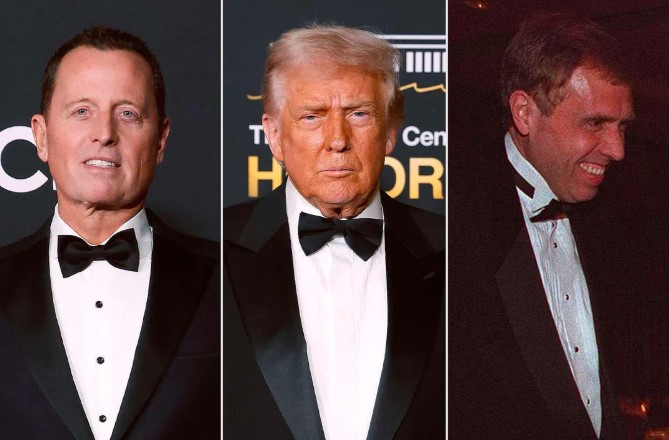
A canceled Christmas Eve concert at the Kennedy Center has sparked controversy after leadership reportedly demanded $1 million from an artist who withdrew amid political changes.
December 28, 2025: A dramatic standoff at the Kennedy Center is igniting debate across the arts world after its president reportedly demanded $1 million from an artist who withdrew from a planned Christmas Eve concert — a decision tied to recent internal changes connected to Donald Trump.
What might have remained a behind-the-scenes contract dispute has now exploded into a larger conversation about politics, power, and artistic freedom.
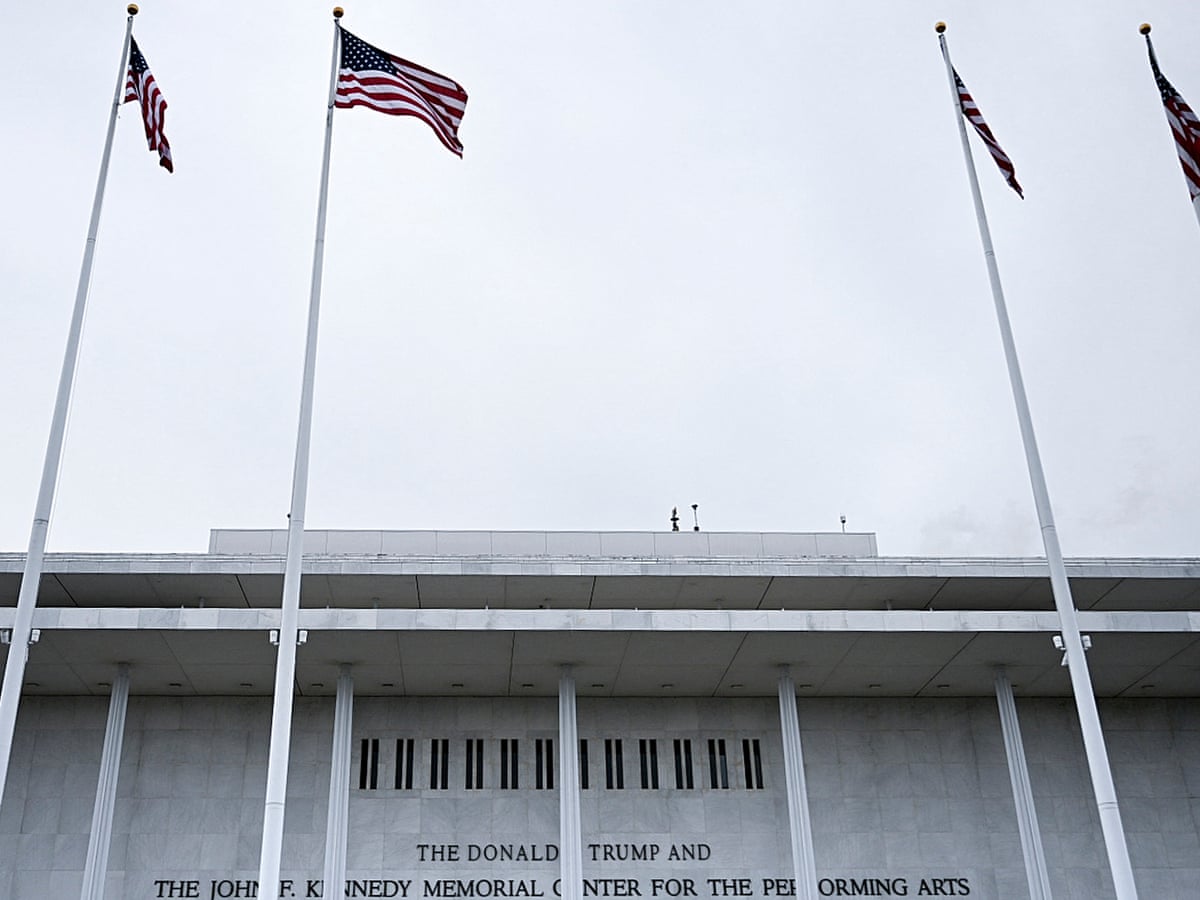
Image Credit: The Guardian
Why the Artist Walked Away
The performer’s exit reportedly followed organizational shifts that signaled a political realignment within the institution. For the artist, the changes crossed a personal line — prompting a last-minute withdrawal from the high-profile holiday event.
Christmas Eve concerts at the Kennedy Center aren’t just performances; they’re symbolic, nationally watched cultural moments. Pulling out carried weight — and consequences.

Image Credit: Variety
The $1 Million Demand
According to reports, the Kennedy Center’s leadership responded forcefully, asserting that the artist’s withdrawal triggered major financial and reputational losses. The alleged $1 million demand is being framed as compensation for production costs, logistics, and disruption.
Critics, however, see something else: a warning shot.

Image Credit: CNN
Art, Politics, and Pressure
This dispute has reignited a long-standing question in American culture: Should art institutions remain politically neutral — and can they? When leadership changes appear to align with political figures, artists are often left navigating uncomfortable territory between principle and contract.
Supporters of the artist argue that creative expression includes the right to walk away. Others contend that backing out of a signed agreement — especially at the eleventh hour — carries real-world consequences.
A Dangerous Precedent?
The size of the demand has raised eyebrows throughout the arts community. Some fear it could set a chilling precedent, discouraging artists from speaking out or acting on conscience for fear of financial retaliation.
Others counter that institutions must protect themselves from costly cancellations, regardless of politics.
The Bigger Picture
This isn’t just a holiday concert dispute — it’s a reflection of how deeply politics has seeped into cultural spaces once seen as neutral ground. Whether the demand stands or not, the fallout is already reshaping conversations around artistic autonomy, accountability, and institutional power.
Published by HOLR Magazine