


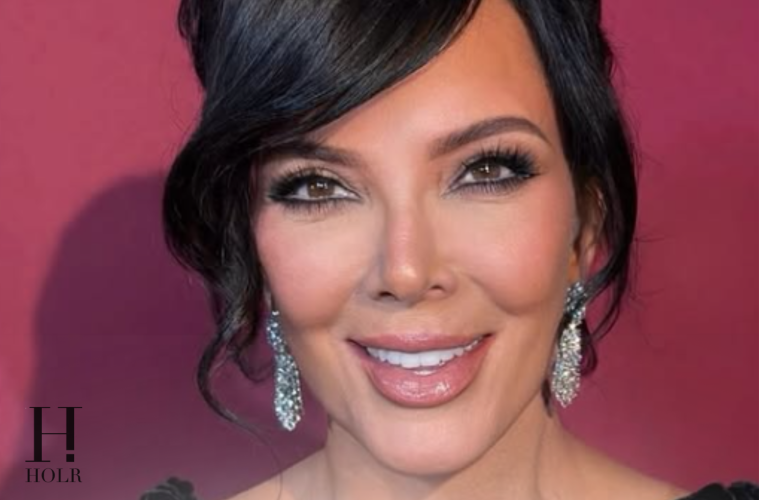
Khloé Kardashian explores public perception and self-reflection in a new Khloé in Wonderland episode shared by Kris Jenner
April 1, 2026: Khloé Kardashian is diving into one of the most talked-about questions surrounding her public image—“Am I the villain?” HOLR has the latest news as a teaser for this week’s episode of Khloé in Wonderland was shared by Kris Jenner, sparking widespread conversation online.
The episode promises a deeper look into how Khloé perceives herself versus how she is often portrayed in the public eye—an ongoing narrative that has followed her throughout her career.
View this post on Instagram
A Question That Sparks Conversation
The phrase “Am I the villain?” is more than just a catchy title—it reflects a broader cultural discussion about public perception, accountability, and identity.
For Khloé Kardashian, this question touches on:
- Media narratives surrounding her personal life
- Public reactions to her relationships and decisions
- The pressure of living under constant scrutiny
By addressing it directly, she opens the door to a more honest and introspective conversation.
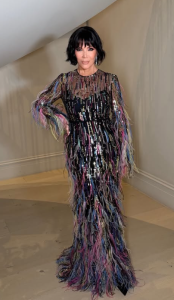
Image Credit: Instagram @krisjenner
Khloé in Wonderland: A Space for Reflection
Khloé in Wonderland serves as a platform where Khloé can share her thoughts in a more personal and controlled environment. Unlike traditional interviews, the format allows for deeper reflection.
The show focuses on:
- Personal experiences and growth
- Conversations about identity and perception
- Exploring topics that resonate with a wide audience
This episode, in particular, highlights her willingness to confront difficult questions.
Image Credit: Instagram @krisjenner
Why the ‘Villain’ Narrative Exists
Public figures are often labeled based on selective narratives, and Khloé Kardashian is no exception. Over the years, various moments in her life have been interpreted in different ways by audiences and media.
The “villain” label can stem from:
- Highly publicized personal relationships
- Reality TV editing and storytelling
- Social media commentary
These factors combine to create a narrative that may not fully reflect reality.
Taking Control of the Narrative
By addressing the question head-on, Khloé is reclaiming control of her story. Rather than allowing others to define her, she is offering her own perspective.
This approach includes:
- Acknowledging public perception
- Providing context to past events
- Reflecting on personal growth
It’s a shift from reactive to proactive storytelling.
Image Credit: Instagram @krisjenner
Kris Jenner’s Role in Amplifying the Moment
Kris Jenner’s decision to share the teaser adds another layer to the conversation. As both a mother and a media strategist, her involvement helps amplify the reach of the episode.
Her post:
- Draws attention to the topic
- Signals support for Khloé
- Engages the broader Kardashian audience
This collaboration highlights the family’s ability to shape and share their narratives.
Why Fans Are Paying Attention
The episode has generated buzz because it taps into themes that extend beyond celebrity culture. Questions about perception and identity are universal, making the topic relatable.
Fans are drawn to:
- The honesty of the discussion
- The opportunity to hear Khloé’s perspective
- The relevance of the topic
This engagement reflects the ongoing interest in her story.
The Impact of Reality TV on Public Image
Reality television plays a significant role in shaping how audiences perceive public figures. While it offers a glimpse into personal lives, it also involves editing and storytelling choices.
This can lead to:
- Simplified narratives
- Misinterpretations of actions
- Strong audience opinions
Khloé’s exploration of the “villain” label highlights these complexities.
A Broader Conversation About Identity
This episode contributes to a larger discussion about identity in the digital age. With constant exposure and commentary, public figures often face challenges in maintaining a clear sense of self.
Key themes include:
- The difference between perception and reality
- The impact of public opinion
- The importance of self-reflection
These ideas resonate far beyond the entertainment industry.
Why This Moment Matters
Khloé Kardashian’s decision to address this topic is significant because it encourages a more nuanced understanding of public figures.
Key takeaways include:
- The importance of questioning narratives
- The value of self-awareness
- The role of personal storytelling
This moment reflects a shift toward more thoughtful conversations.
A Reflection of Personal Growth
Over the years, Khloé has evolved both personally and publicly. This episode appears to be part of that journey, showcasing a more reflective and self-aware perspective.
Her growth includes:
- Greater emotional insight
- A willingness to address difficult topics
- A focus on authenticity
This evolution adds depth to her public persona.
Final Take
HOLR breaks down the story here—Khloé Kardashian’s “Am I the villain?” episode is more than just a teaser. It’s a conversation about identity, perception, and the power of owning your narrative.
By exploring this question, she invites audiences to look beyond surface-level labels and consider the complexities of real life. It’s a reminder that no story is ever as simple as it seems.
And in asking the question herself, Khloé takes the first step toward answering it on her own terms.
FAQs
What is Khloé Kardashian’s new episode about?
It focuses on the question “Am I the villain?” and explores public perception.
What is Khloé in Wonderland?
It is Khloé Kardashian’s podcast or show where she discusses personal topics.
Who shared the teaser?
Kris Jenner posted the teaser online.
Why is the episode trending?
Because it addresses a widely discussed narrative about Khloé’s image.
What is the main takeaway?
That public perception is complex and often differs from personal reality.
Published by HOLR Magazine