


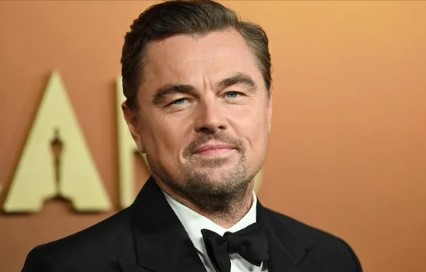
The actor argues even impressive AI creations fade without human soul
A Firm Stance on Creativity
December 8, 2025: Leonardo DiCaprio is pushing back against the growing embrace of artificial intelligence in creative fields, saying AI can never truly be considered art because it lacks humanity. In candid remarks, the Oscar-winning actor suggested that even the most technically “brilliant” AI-generated works ultimately “dissipate into the ether of internet junk.”
Why Humanity Matters in Art
For DiCaprio, art is inseparable from lived experience—emotion, struggle, memory, and intention. He argued that creativity is not just about output or efficiency, but about the human perspective behind the work. Without consciousness or emotional accountability, he believes AI-generated material may impress momentarily but fails to endure.
According to DiCaprio, art resonates because it carries personal risk and vulnerability—qualities machines simply cannot replicate.
Technical Skill Isn’t Enough
While acknowledging that AI can produce visually striking or technically complex results, DiCaprio dismissed the idea that polish alone equates to meaning. He warned that the internet is already oversaturated with content that looks impressive but lacks depth, suggesting AI only accelerates that problem.
HOLR has the latest news on how artists across film, music, and visual culture are increasingly questioning whether speed and volume are eroding artistic value.
A Growing Debate in Hollywood
DiCaprio’s comments arrive amid widespread industry debate over AI’s role in screenwriting, performance replication, and visual effects. As studios experiment with automation to cut costs, many creatives fear the loss of authorship and identity in storytelling.
The actor’s position aligns with concerns voiced by writers, actors, and directors who argue that innovation should not come at the expense of human labor and originality.
Art as Accountability
One of DiCaprio’s core arguments centers on responsibility. Human artists are accountable for what they create—morally, culturally, and emotionally. AI, by contrast, draws from vast datasets without lived consequence, making it detached from the outcome of its influence.
In his view, that disconnect is precisely why AI output struggles to sustain cultural relevance or emotional permanence.
Preserving the Human Voice
DiCaprio emphasized that art has historically served as a mirror to society, shaped by personal and collective experiences. Removing the human element, he warned, risks reducing culture to disposable, algorithm-driven noise rather than meaningful expression.
HOLR notes that this concern has become central to ongoing discussions about creativity in a digital-first era.
Not Anti-Technology—But Pro-Artist
Despite his criticism, DiCaprio stopped short of rejecting technology outright. Instead, he framed his stance as pro-artist rather than anti-AI, stressing that tools should support human creativity—not replace it.
He believes technological advancement should elevate storytelling, not dilute it.
A Line in the Sand
As AI continues to reshape creative industries, DiCaprio’s comments draw a clear line: art requires humanity. Without emotion, intention, and lived experience, he argues, even the most impressive creations risk vanishing as quickly as they appear.
Published by HOLR Magazine