


The actress opens up about feeling overlooked despite success
Lisa Kudrow Revisits Her Friends Experience
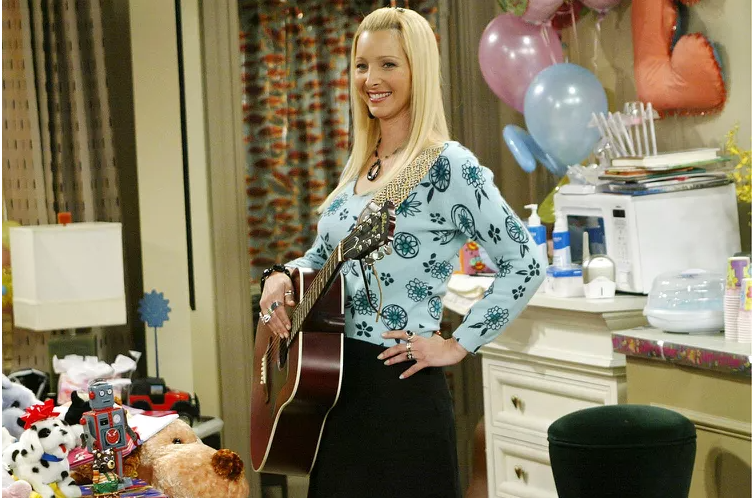
April 06, 2026- Lisa Kudrow is shedding new light on her time starring in the globally beloved sitcom Friends, revealing that her experience behind the scenes wasn’t always as celebrated as fans might assume. Despite portraying the iconic Phoebe Buffay, Kudrow admitted that she often felt overlooked during the show’s peak years.
Speaking candidly, the actress shared that she was sometimes referred to as “the sixth friend,” a label that left her feeling undervalued compared to her co-stars. The comment offers a rare glimpse into the internal dynamics of one of television’s most successful ensembles.
:max_bytes(150000):strip_icc():focal(999x0:1001x2):format(webp)/lisa-kudrow-HBO-max-experience-london-033126-b1a0de7192844af4bdb7d2e49352f7d6.jpg)
Image Credit: Alan Chapman/Dave Benett/WireImage
The Meaning Behind “The Sixth Friend”
While Friends was marketed as an equal ensemble featuring six main characters, Kudrow’s remarks suggest that the perception behind the scenes didn’t always align with that image. Being called “the sixth friend” implied a ranking—placing her last among the group that included Jennifer Aniston, Courteney Cox, Matt LeBlanc, Matthew Perry, and David Schwimmer.
For Kudrow, this perception contributed to feelings of invisibility, despite her character becoming one of the show’s most memorable and beloved figures. Phoebe’s quirky humor, emotional depth, and standout moments—like her musical performances—played a major role in shaping the show’s identity.
Fame Doesn’t Always Equal Validation
Kudrow’s reflections highlight a broader truth about fame: public success does not always translate to personal validation. Even as Friends became a cultural phenomenon and she gained international recognition, Kudrow struggled with how she was perceived within the cast dynamic.
Her honesty resonates with many in the entertainment industry, where actors often grapple with comparisons, screen time, and audience reception. Ensemble casts, while collaborative on the surface, can sometimes foster subtle hierarchies that affect performers’ confidence and sense of belonging.
:max_bytes(150000):strip_icc():focal(635x366:637x368):format(webp)/lisa-kudrow-friends-060625-312715e41ae641238e784b3f6ed5c592.jpg)
Image Credit: Reisig & Taylor/NBCU Photo Bank/NBCUniversal via Getty
The Evolution of Phoebe Buffay’s Impact
Over time, Phoebe Buffay emerged as one of the most distinctive characters on Friends. From her offbeat worldview to her emotional storylines, Phoebe stood apart in a way that ultimately strengthened the show’s diversity of personalities.
Kudrow’s performance earned critical acclaim, including an Emmy Award, reinforcing her importance to the series. Ironically, the character who may have once been perceived as “the sixth friend” became one of its most iconic.
This evolution reflects how audience appreciation can differ significantly from internal perceptions during production.
Behind-the-Scenes Dynamics of Iconic Shows
Kudrow’s comments also open the door to broader discussions about behind-the-scenes dynamics in long-running television series. Shows like Friends require constant collaboration, but they also involve negotiations around storylines, salaries, and visibility.
In later seasons, the cast famously negotiated equal pay, becoming one of the first ensembles to do so successfully. This milestone demonstrated unity among the actors, even if earlier experiences may have felt uneven for some.
Kudrow’s perspective adds nuance to the narrative, reminding audiences that even the most cohesive casts can experience moments of imbalance.

Image Credit: Warner Bros.
Why Her Words Matter Now
In today’s entertainment landscape, conversations around equity, recognition, and inclusion are more prominent than ever. Kudrow’s reflections feel particularly relevant as the industry continues to examine how actors are valued—not just financially, but emotionally and creatively.
Her willingness to speak openly about feeling overlooked contributes to a more honest understanding of what it means to work in a high-profile ensemble. It also reinforces the importance of acknowledging contributions that may not always be immediately recognized.
A Legacy That Speaks for Itself
Despite her past feelings, Kudrow’s legacy as Phoebe Buffay remains undeniable. Friends continues to reach new generations through streaming platforms, and Phoebe’s character is often cited as a fan favorite.
Her comedic timing, emotional range, and unique presence helped define the show’s tone. In hindsight, the idea of her being “the sixth friend” feels disconnected from the impact she ultimately had.
Kudrow’s reflections serve as both a personal revelation and a reminder that recognition can evolve over time.

Image Credit: Courtesy of NBC
Final Thoughts
Lisa Kudrow’s candid admission about feeling like “the sixth friend” on Friends adds a new layer to the legacy of the iconic show. While fans have long celebrated her as an integral part of the ensemble, her experience highlights the complexities of working within a group dynamic.
Her story underscores an important truth: even in the midst of global success, personal validation can be elusive. Today, however, Kudrow’s contribution is widely recognized, and her portrayal of Phoebe Buffay stands as one of television’s most memorable performances.
FAQs
Q1: Why did Lisa Kudrow feel like “the sixth friend”?
She revealed that she was sometimes referred to that way, which made her feel less valued compared to her co-stars.
Q2: Who were the other main cast members of Friends?
The main cast included Jennifer Aniston, Courteney Cox, Matt LeBlanc, Matthew Perry, and David Schwimmer.
Q3: Did Lisa Kudrow receive recognition for her role?
Yes, she won an Emmy Award for her portrayal of Phoebe Buffay.
Q4: Is Phoebe Buffay considered a fan-favorite character?
Yes, Phoebe is widely regarded as one of the most beloved characters on the show.
Q5: What does this reveal about working in ensemble casts?
It shows that even successful ensembles can have internal dynamics that affect how actors feel valued.
Published by HOLR Magazine