



The actor opens up about Hollywood’s reliance on nostalgia and his return
Matthew Lillard’s Honest Take on His Career Revival
April 27, 2026 – Matthew Lillard is getting candid about his recent resurgence in Hollywood, and his perspective is far from typical comeback celebration. Known for iconic roles in films like Scream and Scooby-Doo, Lillard recently shared that he believes nostalgia—not necessarily renewed admiration for his talent—is the driving force behind his return to the spotlight.
Rather than framing his comeback as a triumph of perseverance, Lillard’s remarks strike a more reflective and slightly self-deprecating tone. He suggested that audiences and studios are less interested in him as an individual performer and more drawn to the emotional connection tied to his earlier work. This perspective offers a rare, unfiltered glimpse into how actors experience Hollywood’s cyclical nature.

Image Credit: Getty Images
Nostalgia as Hollywood’s Most Powerful Currency
The entertainment industry has increasingly leaned into nostalgia over the past decade, reviving franchises, rebooting classics, and reintroducing familiar faces. Lillard’s comments highlight a broader trend that extends far beyond his own career. From legacy sequels to reboots, nostalgia has proven to be a reliable tool for studios aiming to capture both older audiences and newer generations.
For actors like Lillard, this trend creates opportunities—but also raises questions about creative value. When roles are tied to past successes, performers may find themselves celebrated for what they once represented rather than what they currently bring to the table. Lillard’s statement underscores this tension, suggesting that his recent casting may be more about rekindling old memories than recognizing present-day merit.
Revisiting Iconic Roles and Cultural Impact
Lillard’s legacy is closely tied to characters that defined late ‘90s and early 2000s pop culture. His portrayal of Stu Macher in Scream remains one of the franchise’s most memorable performances, blending humor and menace in a way that resonated with audiences. Similarly, his role as Shaggy in Scooby-Doo cemented his place in family entertainment.
These performances have aged into cult favorites, continually rediscovered by younger viewers through streaming platforms. As a result, Lillard’s presence carries a built-in sense of familiarity and affection. This enduring cultural relevance is precisely what makes him appealing in today’s nostalgia-driven market, even if he personally questions the authenticity of that appeal.

Image Credit: Getty Images
The Emotional Complexity Behind a Comeback
While many actors embrace renewed attention, Lillard’s comments reveal a more complex emotional landscape. His belief that audiences “don’t really like” him but instead “miss the old times” reflects a deeper insecurity that is rarely voiced publicly in Hollywood.
This perspective challenges the often-romanticized narrative of a comeback. For Lillard, returning to prominence is not purely validating—it also comes with self-doubt and introspection. His honesty adds depth to the conversation about how actors perceive their own relevance, particularly in an industry that frequently prioritizes marketability over artistry.
Hollywood’s Shifting Casting Priorities
Lillard’s remarks also point to evolving casting strategies within Hollywood. Studios are increasingly focused on recognizable faces that can evoke emotional responses from audiences. This approach reduces risk in an unpredictable market, especially as theatrical releases compete with streaming platforms for attention.
In this environment, actors associated with beloved properties gain a unique advantage. Lillard’s connection to franchises like Scream positions him as a valuable asset, even decades after his original performances. However, this dynamic can also limit opportunities for reinvention, as actors may be repeatedly cast in roles that echo their past work.

Image Credit: Alberto E. Rodriguez/Getty Images
The Balance Between Legacy and Reinvention
For Lillard, the challenge lies in navigating the space between honoring his legacy and pursuing new creative directions. While nostalgia can open doors, it can also create expectations that are difficult to escape. Actors in similar positions often struggle to redefine themselves beyond the roles that made them famous.
Lillard’s willingness to acknowledge this tension sets him apart. Rather than resisting nostalgia, he recognizes its role while questioning its implications. This balanced perspective allows him to engage with his past without being entirely defined by it, offering a nuanced approach to career longevity.
Audience Perception and the Power of Memory
At the heart of Lillard’s comments is the idea that audience perception is deeply tied to memory. Fans often associate actors with specific moments in their own lives, creating emotional bonds that transcend individual performances.
For Lillard, this means that his presence on screen is not just about the character he portrays—it’s also about the memories audiences attach to him. This phenomenon explains why nostalgia remains such a powerful force in entertainment, shaping not only what stories are told but also who gets to tell them.
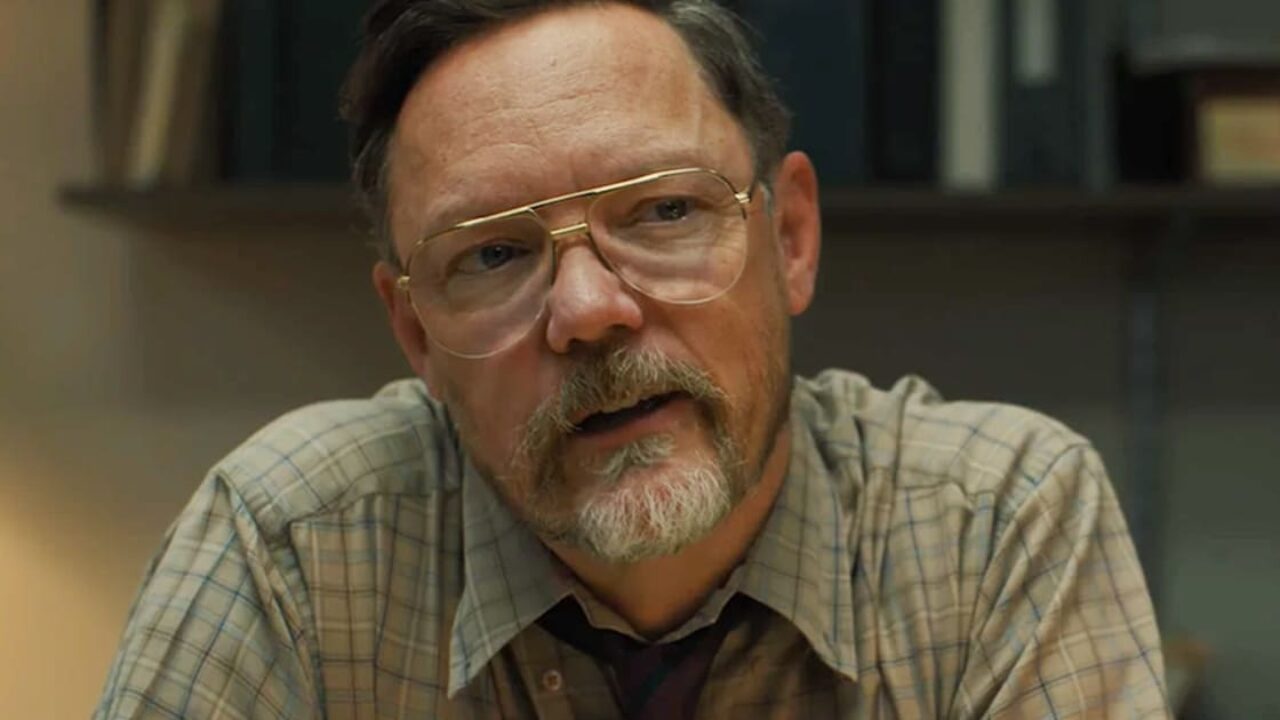
Image Credit: Getty Images
Final Thoughts
Matthew Lillard’s candid reflections offer a refreshing departure from the typical narrative surrounding Hollywood comebacks. By attributing his renewed opportunities to nostalgia rather than personal acclaim, he highlights the complexities of an industry driven by memory and familiarity.
His perspective invites a broader conversation about how actors are valued and how audiences engage with entertainment. While nostalgia can be a powerful tool, it also raises important questions about originality, recognition, and the evolving nature of success in Hollywood. Lillard’s honesty ultimately adds depth to his comeback, making it not just a return, but a thoughtful commentary on the industry itself.
FAQs
Q1: Why does Matthew Lillard think he is being cast again?
He believes nostalgia plays a major role, suggesting that audiences and studios are more interested in revisiting past memories than appreciating him as a current performer.
Q2: What are Matthew Lillard’s most famous roles?
He is best known for his roles in Scream and Scooby-Doo, both of which have become culturally significant over time.
Q3: What does his statement reveal about Hollywood trends?
It highlights the industry’s increasing reliance on nostalgia, reboots, and familiar faces to attract audiences.
Q4: Is nostalgia beneficial for actors?
It can create opportunities but may also limit creative growth by tying actors to their past roles.
Q5: How does Lillard feel about his comeback?
He appears appreciative yet introspective, acknowledging the opportunities while questioning their underlying reasons.
Published by HOLR Magazine