


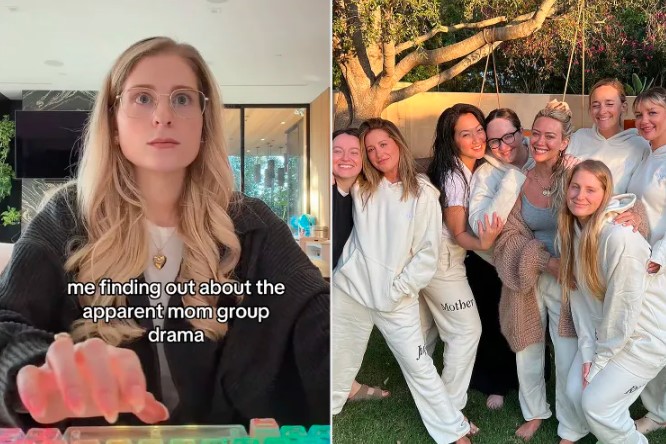
The singer responds thoughtfully as conversations around motherhood, boundaries, and exclusion ripple through Hollywood
A Viral Essay Sparks a Wider Conversation
January 8, 2026: After Ashley Tisdale shared a deeply personal essay describing what she called “toxic” dynamics and exclusion within certain celebrity mom circles, the discussion quickly spread across social media. Now, Meghan Trainor has addressed the topic publicly for the first time, offering her perspective on the so-called “mom group drama.”
Trainor’s response didn’t escalate the situation. Instead, it added nuance—acknowledging how complicated friendships can become once motherhood enters the picture.
Meghan Trainor’s Measured Response
Trainor emphasized that becoming a mother reshapes priorities, emotional bandwidth, and social expectations. She explained that what might look like exclusion from the outside is often the result of exhaustion, miscommunication, or people simply operating in survival mode.
Rather than disputing Tisdale’s experience, Trainor validated that different women experience motherhood—and community—very differently. HOLR breaks down the story here: her response focused on empathy rather than defense.
:max_bytes(150000):strip_icc():focal(599x0:601x2):format(webp)/hilary-duff-mom-group-010726-3-479d3c91998d4055901bdf87eeca4e5a.jpg)
Image Credit: Hilary Duff/Instagram
The Reality of Adult Friendships After Motherhood
According to Trainor, motherhood can unintentionally fracture social groups. Schedules rarely align, energy levels shift, and emotional needs change overnight. Add public visibility and scrutiny, and those challenges can intensify.
She noted that mom groups, especially in high-pressure environments like Hollywood, can mirror old social patterns—sometimes without intention. The difference, she said, is that the stakes feel higher when children and identity are involved.
Ashley Tisdale’s Essay Still Resonates
Tisdale’s original essay struck a nerve because it articulated feelings many mothers quietly experience: isolation, rejection, and confusion over unspoken social rules. By sharing her story, she opened space for others to reflect on how adult friendships can echo high-school dynamics.
Trainor acknowledged that point directly, saying it’s important for women to talk about these moments rather than minimize them. HOLR breaks down the story here: visibility can help normalize emotions that often stay hidden.
:max_bytes(150000):strip_icc():focal(539x0:541x2):format(webp)/hilary-duff-mom-group-010726-4-e7c902aceb004b11bb15b426c95fbba2.jpg)
Image Credit: Kelsey Deenihan Fisher/Instagram
No Sides—Just Perspective
Notably, Trainor avoided framing the conversation as a conflict between individuals. She didn’t deny that harm can happen in social circles, but she resisted labeling people as villains. Instead, she suggested that clearer communication and lowered expectations might ease tension.
Her comments suggest a broader cultural shift—moving away from performative unity and toward more honest discussions about boundaries, capacity, and emotional honesty among mothers.

Image Credit: Wikipedia
Why This Conversation Matters
The response highlights how celebrity moms are navigating the same emotional terrain as anyone else—just under a brighter spotlight. Trainor’s willingness to speak carefully and compassionately reflects a growing recognition that motherhood isn’t universally bonding; it can also be isolating.
HOLR breaks down the story here: conversations like this resonate because they move beyond gossip and toward shared understanding.
Fans React to the Exchange
Online reaction has been largely supportive. Many praised Trainor for not dismissing Tisdale’s experience while still offering an alternative perspective. Others shared their own stories of drifting friendships after becoming parents, reinforcing how common—and painful—these experiences can be.
Rather than fueling drama, the exchange appears to be encouraging reflection among fans and fellow parents alike.

Image Credit: sheknows
Moving the Dialogue Forward
Trainor’s comments suggest that the real takeaway isn’t who was right or wrong, but how mothers can support each other more intentionally. Acknowledging hurt, respecting boundaries, and understanding capacity may go further than forcing togetherness.
As the conversation continues, it’s becoming less about celebrity mom groups—and more about how women navigate connection during one of life’s most transformative stages.
Published by HOLR Magazine