


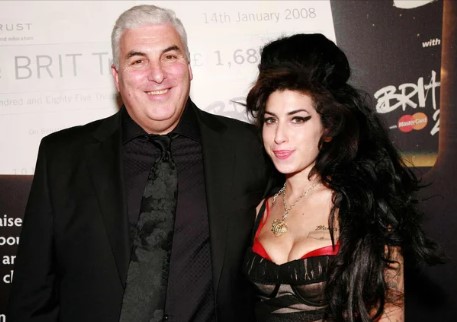
Amy Winehouse’s father, Mitch Winehouse, has filed a lawsuit against the late singer’s close friends over a clothing auction, alleging the sale was unauthorized and violated estate rights.
Legal Action Over Late Singer’s Belongings
December 10, 2025: Mitch Winehouse, the father of the late Amy Winehouse, has filed a lawsuit against several of the singer’s closest friends over a recent auction of her personal clothing. The legal action alleges that the sale was conducted without proper authorization and breached the rights of Amy Winehouse’s estate.
Dispute Centers on Clothing Auction
According to the claim, items belonging to Amy Winehouse—including stage outfits and personal garments—were auctioned publicly, raising concerns about ownership and permissions. Mitch Winehouse argues that the clothing constitutes estate property and should not have been sold without consent or oversight from those legally responsible for managing her legacy.
The auction reportedly generated significant attention due to Winehouse’s lasting cultural influence and the rarity of her personal items.
Protecting Amy Winehouse’s Legacy
Mitch Winehouse has long positioned himself as a guardian of his daughter’s legacy, particularly through the Amy Winehouse Estate and foundation work established in her name. The lawsuit underscores ongoing sensitivities around how Amy’s image, possessions, and memory are preserved and monetized.
Supporters of the estate argue that strict control is necessary to prevent exploitation, while critics question how ownership of personal items is determined years after her death.
HOLR has the latest news on how disputes over celebrity estates often surface as memorabilia grows in value.
Friends Named in the Lawsuit
The lawsuit reportedly targets friends who were once part of Winehouse’s inner circle. While those individuals have not yet publicly responded in detail, the case has reignited discussion about who holds moral versus legal authority over a late artist’s belongings.
Legal experts note that such disputes are not uncommon, particularly when informal gifting or shared storage arrangements blur lines of ownership.
Emotional and Legal Stakes
Beyond financial concerns, the case carries emotional weight. Amy Winehouse remains a deeply influential figure in music history, and any dispute tied to her memory tends to draw intense public reaction.
The lawsuit highlights the tension between preserving legacy and respecting personal relationships formed during the artist’s lifetime.
Potential Impact on Future Auctions
If the court sides with the estate, the ruling could have implications for future sales of celebrity memorabilia, reinforcing the need for clear documentation and authorization when personal items are involved.
HOLR notes that similar cases involving late musicians and actors have reshaped how estates manage and protect assets.
What Happens Next
The case is expected to proceed through preliminary hearings, where judges will assess ownership claims and authorization records. Until then, the disputed auction items remain at the center of a broader conversation about control, consent, and legacy.
A Legacy Still Closely Guarded
More than a decade after her passing, Amy Winehouse’s influence—and the responsibility surrounding it—remains profound. As the lawsuit unfolds, it serves as a reminder that even in death, the legal and emotional complexities surrounding iconic artists rarely disappear.
Published by HOLR Magazine