



Why nuclear fusion breakthroughs still won’t power the grid anytime soon
Reframing the Fusion Conversation
December 19, 2025 — Nuclear fusion is once again capturing headlines, fueled by political talk, private investment, and claims of historic breakthroughs. But despite the renewed excitement, scientists and energy experts caution that commercial fusion power remains a distant goal, not an imminent solution to the world’s energy challenges.
Rather than signaling an energy revolution around the corner, recent developments underscore a familiar reality: fusion is advancing — but far more slowly than public narratives often suggest.
Image Credit: Amazon.in
Why Fusion Sounds Closer Than It Is
Fusion’s appeal is undeniable. The process promises clean, virtually limitless energy by replicating the reaction that powers the sun. Each time researchers announce a milestone, public optimism surges, often accompanied by claims that fusion is finally “almost here.”
However, experts stress that many of these milestones occur under tightly controlled laboratory conditions. Achieving a brief scientific success is vastly different from building a power plant that can run safely, affordably, and continuously for decades.
HOLR breaks down why progress in fusion science doesn’t automatically translate into real-world energy.
Experimental Success vs. Practical Power
Recent fusion experiments have demonstrated short bursts of net energy gain — a genuine scientific achievement. But these experiments still require enormous energy input, advanced materials, and highly specialized infrastructure.
Turning those experiments into commercial reactors presents unresolved challenges:
- Sustaining fusion reactions over long periods
- Preventing damage to reactor materials
- Converting fusion output into usable electricity
- Making the process economically viable
No existing fusion project has yet solved all of these issues simultaneously.
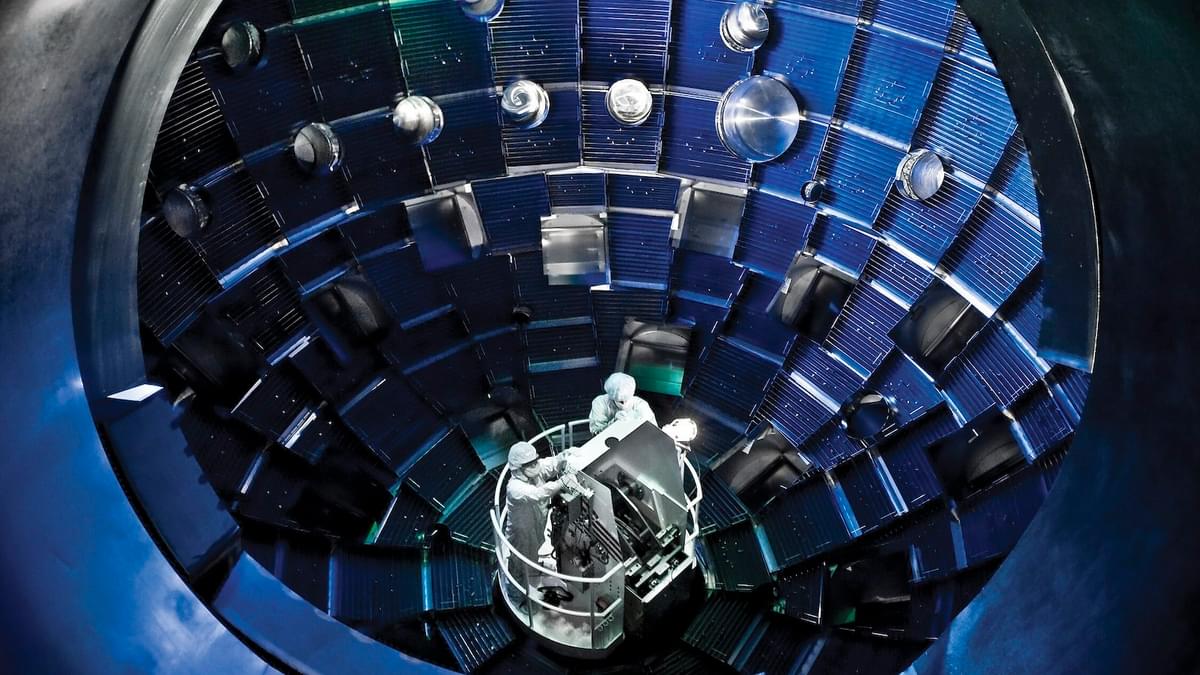
Image Credit: e360-Yale
The Timeline Problem Scientists Won’t Ignore
For decades, fusion has been described as being “30 years away.” That estimate hasn’t changed much — not because progress isn’t happening, but because each breakthrough reveals new layers of complexity.
Most researchers now agree that fusion is unlikely to play a meaningful role in addressing near-term climate goals. Instead, it’s increasingly viewed as a long-range investment that may pay off later in the century, if sustained funding and innovation continue.
Politics and Perception Fuel Confusion
Political rhetoric and high-profile funding announcements often amplify public expectations. References to major deals or government backing can give the impression that fusion development hinges on individual leaders or administrations.
In reality, fusion progress depends on long-term international collaboration, not short-term political momentum. Experts warn that overselling timelines risks public disappointment and erosion of trust in science when expectations aren’t met.
Why Fusion Still Matters — Just Not Yet
Despite the skepticism, scientists aren’t dismissing fusion’s potential. If commercial fusion becomes viable, it could dramatically reshape global energy systems, offering reliable power without carbon emissions or long-lived nuclear waste.
That’s why governments and private companies continue investing billions — not because fusion is ready, but because abandoning it would mean forfeiting a possible future breakthrough.
HOLR has the latest insight into why patience, not hype, defines fusion research.

Image Credit: Yahoo
The Real Energy Solutions Are Already Here
While fusion captures imagination, experts emphasize that existing technologies — including renewable energy, grid storage, efficiency improvements, and nuclear fission — will carry the bulk of the energy transition over the next several decades.
Fusion’s long development arc means it cannot replace the urgent deployment of tools already capable of reducing emissions today.
Why the Hype Keeps Returning
Fusion sits at the intersection of science fiction and possibility. Every new experiment revives hope that the final barrier has fallen, even when it hasn’t. Media narratives often focus on the promise without fully conveying the technical hurdles that remain.
As a result, fusion repeatedly feels closer than it truly is.
The Bottom Line
Nuclear fusion is advancing — steadily, methodically, and impressively — but it is not on the brink of commercial deployment. The science is real, the potential is enormous, and the challenges are equally vast.
For now, fusion remains a vision of the future rather than a solution for the present. And according to experts, managing expectations may be just as important as making the next breakthrough.
Published by HOLR Magazine