



Shia LaBeouf’s Controversial Timeline Resurfaces as New Viral Moment Sparks Debate
March 22, 2026
Whenever Shia LaBeouf trends online, it rarely stays about just one moment. The recent viral clip from Rome has once again pulled attention toward him—but more importantly, it has reopened a long-running conversation about the actor’s past, his public image, and the pattern people believe they see.
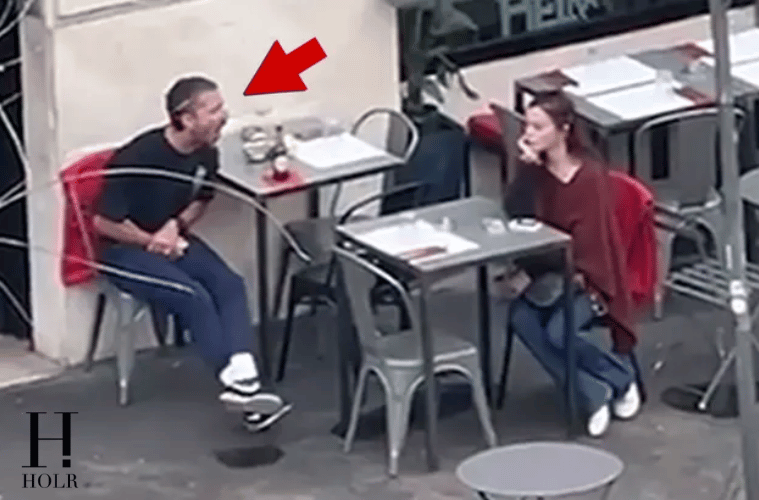
Image: TMZ
What makes this situation different is not the clip itself. It’s the way audiences instantly connect it to everything that came before.
The Moment That Restarted the Conversation
The video currently circulating online shows LaBeouf in what appears to be an intense interaction outside a restaurant in Rome. The footage is brief, lacks context, and doesn’t clearly explain what’s happening—yet it has spread rapidly across social media.
😳 Shia LaBeouf seemingly lost his cool while in Rome … appearing agitated with a woman sitting next to him outside a restaurant. pic.twitter.com/HqkCGMAwNO
— TMZ (@TMZ) March 21, 2026
And that’s exactly where things get interesting.
Instead of asking only “what happened here,” people are asking something else:
“Is this part of a bigger pattern?”
That shift—from moment to narrative—is what keeps LaBeouf constantly in the spotlight.
When the Past Never Stays in the Past
This isn’t the first time LaBeouf has made headlines for off-screen moments. Over the years, several incidents have been widely reported, each adding a new layer to how the public views him.
Shia LaBeouf was seen in his underwear in an Italian hotel lobby… begging for a light. 🚬 pic.twitter.com/EOIWy8zP1A
— TMZ (@TMZ) March 17, 2026
One of the most talked-about episodes involved a strange hotel situation that quickly made rounds online. Reports at the time described LaBeouf moving through a hotel lobby in an unusual state, asking staff for a match while appearing visibly agitated.
It was the kind of story that people didn’t just read—they remembered.

Image: Lionsgate
Then came other incidents, including legal trouble in places like New Orleans, where altercations reportedly escalated into arrests. These weren’t isolated headlines; they became part of a growing narrative.
Over time, these moments stacked up—and now, any new clip automatically brings them back into focus.
Why Every New Clip Feels Bigger Than It Is
Here’s what makes LaBeouf’s situation unique:
People don’t watch his videos in isolation anymore.
They watch them with memory.
So when a short, unclear clip appears:
- It’s not just analyzed
- It’s compared
- It’s connected
Even if the new moment is completely different, it doesn’t feel that way to viewers.
This is how a 30-second video turns into a full-blown conversation.
The Internet’s Obsession With “Patterns”
In today’s social media culture, audiences are constantly trying to identify patterns in celebrity behavior. It’s no longer about one incident—it’s about building a storyline.
:max_bytes(150000):strip_icc():focal(749x0:751x2):format(webp)/shia-labeouf-cannes-052025-d7a5deeea656408da87fdf1e7a46d07f.jpg)
Photo: Stefanie Rex/dpa
With LaBeouf, that storyline often swings between two extremes:
- A talented, deeply committed actor
- A public figure surrounded by unpredictable moments
The tension between those two sides is exactly what keeps people watching.
Because the question is never fully answered:
Which version is real?
Fame, Pressure, and Public Breakdown Moments
There’s also a deeper layer to this conversation that often gets overlooked.

Image: Clemens Bilan/Getty Images
Hollywood has a long history of actors whose personal struggles play out in public. The difference today is speed—everything is recorded, shared, and judged instantly.
For someone like Shia LaBeouf, that means:
- Every emotional moment can become viral
- Every interaction can be interpreted
- Every clip can be replayed endlessly
And once something goes viral, it rarely disappears—it becomes part of the archive.
The Line Between Reality and Interpretation
One of the biggest challenges with viral moments like the Rome clip is simple:
we don’t actually know the full story.
There’s no confirmed context.
No full conversation.
No verified explanation.
But that doesn’t stop the internet from deciding what it means.
This is where perception takes over reality. And in many cases, perception spreads faster.
Why People Can’t Look Away
Despite everything—or maybe because of it—LaBeouf remains one of the most watchable figures in Hollywood.
Not just for his films, but for what happens outside of them.

GettyImage
There’s a rawness to his public presence that feels different from the polished image most celebrities maintain. Whether that’s seen as authenticity or unpredictability depends on who you ask.
There is no audio its just a picture, how can we tell?
— baloney_and_cheese (@Baloney_and) March 21, 2026
Me watching all my favorite childhood tv stars come out as mentally ill over the years because of what Hollywood put them through. pic.twitter.com/oSSEu4SyNt
— The Salty Lobster🦞 (@Seymourbutts28) March 21, 2026
I think he’s a victim of a targeted harassment campaign.
— Punished Chud (@oldheadchud) March 22, 2026
But one thing is clear:
People are paying attention.
More Than Just Another Viral Moment
The Rome video may fade in a few days, like most viral clips do. But the conversation around LaBeouf won’t.
Because it’s no longer about a single incident.
It’s about:
- Memory
- Perception
- And the way stories build over time
Each new moment doesn’t start from zero—it starts from everything that came before.
Final Thought
What we’re seeing isn’t just another celebrity clip going viral. It’s a reminder of how modern fame works.
A single moment can travel the world in seconds.
A past incident can resurface years later.
And a public figure can be defined as much by perception as by reality.
For Shia LaBeouf, that balance remains as complicated—and as compelling—as ever.
Published by HOLR Magazine