



Your home represents a significant financial investment and a place of comfort for your family. Keeping the exterior and interior surfaces looking their best helps maintain the long-term value of the property for years.
A fresh layer of paint does far more than provide a pleasing aesthetic look to the neighborhood. It acts as a protective shield against harsh weather conditions and the standard wear of daily life.
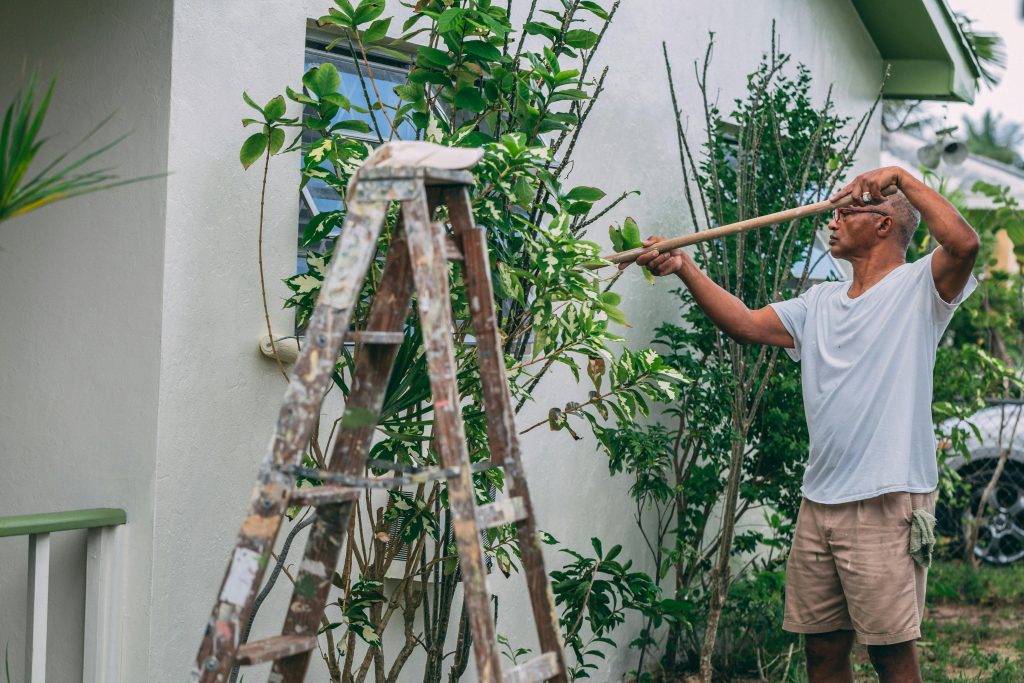
Peeling And Flaking
Visible damage on the exterior surfaces is a clear warning sign that requires your attention. One popular home improvement publication suggests that homeowners should regularly walk around their property to check for peeling or cracking. Issues mean the protective layer is no longer shielding the materials underneath.
Water can easily get under the paint when it starts to lift from the surface. Moisture can lead to serious wood rot or structural damage if left untreated for too long. Fix the spots before the repair bills become a major financial burden.
Scraping off the old flakes is a time-consuming job, but it is necessary for a smooth finish. A fresh coat seals the surface and keeps water from penetrating the wood or stucco. It makes the whole house look much younger and well-kept.
Fading Colors
Sun exposure can turn a bold navy blue into a dull gray over months of direct light. Finding a trusted local painter in Arizona is a smart move when the desert sun bleaches your exterior walls. Professional help makes sure the new coat can withstand the intense heat and UV rays for many seasons.
Lighter shades tend to last much longer under the pressure of direct sunlight. Darker tones might lose their original luster in just 3 or 4 years in warmer climates. Check the south side of your house for the most obvious signs of color loss.
Fading isn’t just a problem for your curb appeal or personal style. It shows that the chemical bonds in the paint are breaking down from the heat. It leaves the siding vulnerable to damage from wind, sand, and rain.
Cracks In The Stucco Or Wood
Hairline cracks in stucco or wood siding are very easy for most homeowners to miss. They often start small and grow quickly as the seasons change and temperatures shift. Catching them early prevents water from seeping deep into your interior walls.
Gaps around window frames and doors are another red flag that you should watch for. Spots need new caulking and a fresh seal to keep the cold air inside during the summer. Old paint becomes brittle and snaps instead of stretching with the house.
Professional painters look for small openings during their initial walk-through of the property. Fixing cracks early saves a lot of money on major siding repairs later.
- Seal small gaps with high-quality caulk.
- Repair any damaged wood before applying primer.
- Choose a flexible paint that handles expansion.
Chalky Residue On The Surface
Rub your hand across the siding on a dry afternoon. If a white powder comes off on your fingers, the paint is currently chalking. This happens when the binder in the paint fails after years of exposure.
Rain washes powder away and leaves the remaining surface very thin. It can stain your bricks or the concrete foundation below the siding. You cannot just paint over chalk without proper cleaning.
Cleaning the surface is the first step in any successful paint project. A well-known lifestyle magazine mentions that proper preparation is key to the final look and adds years to the project. Scrubbing the walls makes sure the new layer sticks properly to the material.
Bubbling And Blistering
Bubbles form when the paint loses its grip on the material that sits underneath. It usually happens from intense heat or moisture trapped inside the walls. If left alone, bubbles will pop and leave small craters on your home.
Blistering is common on wooden siding that hasn’t dried properly before the last application. It can happen if you apply paint in direct, hot sunlight on a summer day. The top layer dries too fast, and the bottom stays wet.
Scrape damaged areas down to the bare surface for the best results. Sanding helps create a smooth transition for the new application of color. Prime the spot before the final color goes on to prevent future issues.
Outdated Home Aesthetics
Design styles change every decade, and colors go out of fashion. That beige from 2010 might make your home feel stuck in the past compared to the neighbors. Updating the color palette is the easiest way to modernize any older property.
Front doors are a great place to start a refresh of your exterior look. A leading decor outlet suggests that a semi-gloss satin finish looks great and hides imperfections on older doors. The finish offers a clean look that stands out clearly from the street.
Pick a color that complements your roof and the surrounding landscaping. Modern trends favor soft neutrals or bold, dark accents for a more sophisticated appearance. A simple change of color makes a massive impact on your curb appeal.
Hard To Clean Walls
Scuff marks and stains become much harder to remove as the paint ages and wears down. Old finishes lose their ability to be wiped and start to hold onto dirt and dust. You might find that scrubbing actually removes the paint itself from the wall.
It is very common in high-traffic areas like hallways and kitchens. Spots need a durable finish that stands up to active kids and family pets. If your walls look dingy after a deep wash, it is time for a change.
Modern paints offer much better stain resistance than many of the older formulas. They are designed to be washed without losing their sheen or the depth of the color.
- Use a damp cloth for light cleaning tasks.
- Avoid using harsh chemicals on flat finishes.
- Upgrade to an eggshell or satin finish for easier maintenance.
Hardening And Cracked Caulk
Caulk is designed to expand and contract with the movement of your home. It loses its flexibility and becomes hard or brittle in the sun. You will see it pulling away from the edges of your siding.
Cracked caulk lets in moisture and small pests that can damage your interior. It also causes drafts that increase your monthly energy bills throughout the year. A fresh paint job usually includes a full recaulking of the entire exterior.
Removing the old material is a tedious task, but it is necessary for a good seal. Apply a high-quality bead to all seams and joints around windows and doors.
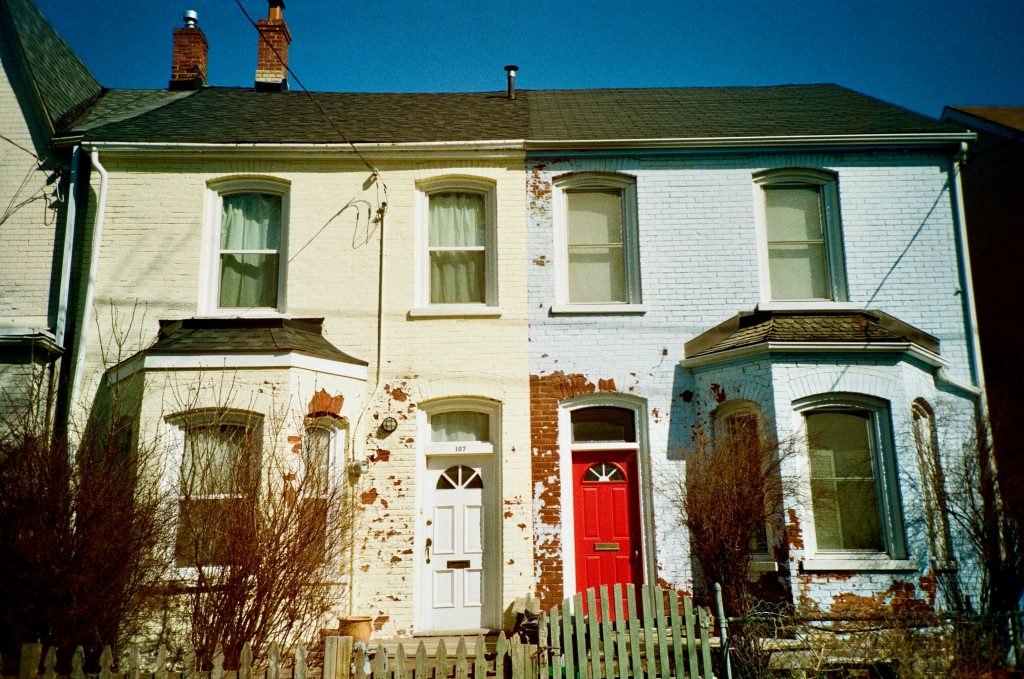
A fresh coat of paint is a smart investment for any property owner. It preserves the structure and makes the space feel brand new again.
Watch for the signs of wear and act before the damage spreads too far. Your home will look better and last longer with the right care and maintenance.
Published by HOLR Magazine.