


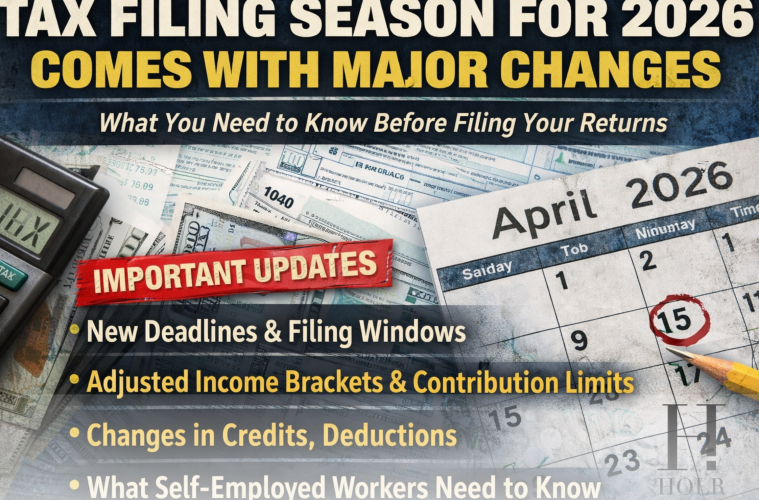
New rules, updated deadlines, and key shifts taxpayers need to know before filing this year
A New Tax Season, New Rules to Follow
January 4, 2026: 2026 tax filing season brings a wave of changes that could affect millions of individuals and businesses across the country. With updates to tax brackets, deductions, credits, and processing timelines, this year’s filing period may look and feel different — and preparation is more important than ever.
From revised income thresholds to shifts in retirement contribution rules, the changes reflect long-term shifts in economic policy and efforts to modernize the tax system. Whether you’re filing independently, using tax software, or working with a professional, being aware of these adjustments will help avoid surprises and maximize returns.

Image Credit: YouTube
New Deadlines and Filing Windows
One of the first notable changes this season is an update to key deadlines. The traditional tax filing date of April 15 remains in place for most taxpayers. However, the IRS has confirmed that certain extensions and provisional deadlines have been revised, particularly for small business owners and self-employed individuals.
For example, extended deadlines for specific forms and business filings may now fall later in the spring, giving additional time to prepare complex schedules. HOLR has the latest news that understanding which deadlines apply to you can help prevent costly late fees and interest charges.
Adjusted Income Brackets and Tax Rates
This year’s tax brackets have been updated to reflect inflation and current economic conditions. Many taxpayers may find themselves in slightly different brackets than in previous years — and that can mean changes in overall tax liability.
For middle-income earners, adjusted thresholds may reduce taxable income and potentially increase refunds. Conversely, high earners could see minor shifts in where their income is taxed due to bracket realignment.
Understanding where you fall in these updated brackets is crucial for accurate planning and estimating estimated tax payments.

Image Credit: The Economic Times
Retirement Contributions and Savings Rules
Retirement planning plays a bigger role in this year’s tax changes. The limits on contributions to accounts such as 401(k)s and Traditional IRAs have been adjusted upward, allowing taxpayers to save more while reducing taxable income.
HOLR has the latest news that catch-up contribution limits for individuals aged 50 and older have also been updated, giving long-term savers a chance to boost retirement accounts further. These changes reflect ongoing efforts to encourage long-term financial planning and greater retirement security.
New Credits and Deductions to Know
The 2026 filing year introduces modifications to several tax credits and deductions, including:
Education credits, which have expanded eligibility for certain students
Child and dependent care credits, adjusted for rising childcare costs
Energy-efficient home improvement deductions, reflecting updated environmental incentives
These changes are designed to support families, students, and homeowners — but eligibility requirements may differ from past years.

Image Credit: WBPAY.IN
What Self-Employed and Small Business Owners Should Consider
Small business owners and freelancers face a unique set of tax changes this season, including updated thresholds for certain deductions, revised reporting requirements, and shifts in estimated tax payment schedules.
For those claiming business use of home, vehicle expenses, or complex expense categories, early consultation with a tax professional remains highly recommended.
Prepare Early, File Smart
Because of the numerous adjustments this year, experts stress the importance of early preparation. Filing sooner rather than later helps avoid technical disruptions, last-minute stress, and potential errors.
Tax software platforms are updating their systems to reflect the new rules, but having documents organized, understanding your bracket, and knowing which credits apply will save time and increase accuracy.
Published by HOLR Magazine