


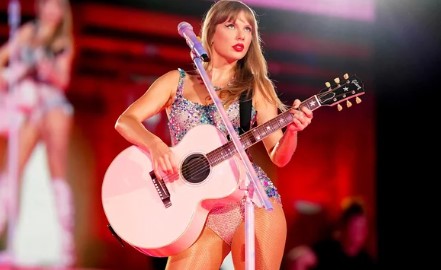
Taylor Swift’s latest album sparked false and bizarre accusations of Nazism, with experts and observers pointing to a coordinated online attack rather than organic backlash.
A Disturbing Narrative Takes Shape
December 9, 2025: Taylor Swift found herself at the center of an alarming online controversy after her most recent album triggered bizarre accusations labeling her as sympathetic to Nazism—claims widely dismissed as unfounded and extreme. Multiple observers now believe the backlash was not organic, but instead a coordinated digital attack aimed at damaging her reputation.
How the Accusations Emerged
The claims appeared shortly after the album’s release, spreading across fringe online spaces before amplifying on mainstream platforms. Commentators noted that references were taken wildly out of context, with song lyrics, visuals, and creative symbolism deliberately misrepresented to fuel outrage.
The speed and similarity of the talking points raised immediate red flags among media analysts.
Why Experts Say It Was Coordinated
Digital culture researchers and online safety advocates pointed out patterns typical of organized smear campaigns: repeated phrasing, synchronized posting, and the rapid migration of narratives across unrelated platforms. These tactics are often used to manufacture controversy rather than respond to genuine public concern.
HOLR has the latest news on how high-profile artists increasingly face orchestrated online attacks designed to provoke headlines and polarize audiences.
No Evidence Supporting the Claims
No credible evidence has supported the accusations, and many critics described the claims as not only false but dangerously irresponsible. Swift has no documented history of extremist beliefs, and her past advocacy—particularly against hate and intolerance—stands in direct contrast to the narrative being pushed.
Industry voices warned that such allegations trivialize real historical atrocities while weaponizing misinformation.
Fan Response Pushes Back
Swift’s fanbase responded forcefully, debunking claims and calling attention to the coordinated nature of the attack. Many expressed concern over how easily misinformation can spread when amplified by outrage-driven algorithms.
Others emphasized the emotional toll such campaigns take, even on artists accustomed to public scrutiny.
A Growing Pattern for Powerful Women
This incident has reignited discussion about how successful female artists are disproportionately targeted with extreme or bizarre accusations once they reach a certain level of influence. Observers argue these attacks are often less about art—and more about power, control, and backlash to visibility.
HOLR notes that similar tactics have been used against other public figures across entertainment and politics.
Silence as Strategy
Swift has not publicly addressed the accusations, a move some analysts view as strategic rather than evasive. Engaging directly with false narratives can sometimes legitimize them, allowing misinformation to grow rather than fade.
In many coordinated attacks, silence denies perpetrators the reaction they seek.
Why It Matters
Beyond Swift herself, the situation highlights the fragility of truth in the digital age. When accusations this extreme can be constructed and circulated with little basis, experts warn it signals a broader crisis in online accountability.
The episode underscores how misinformation campaigns can quickly evolve into reputational threats—even against globally recognized figures.
The Bigger Picture
While the accusations may eventually fade, the strategy behind them leaves lasting questions about platform responsibility, digital manipulation, and the safety of public discourse. For Taylor Swift, the album remains a creative milestone—but its release has also exposed the darker mechanics of online culture.
Published by HOLR Magazine