


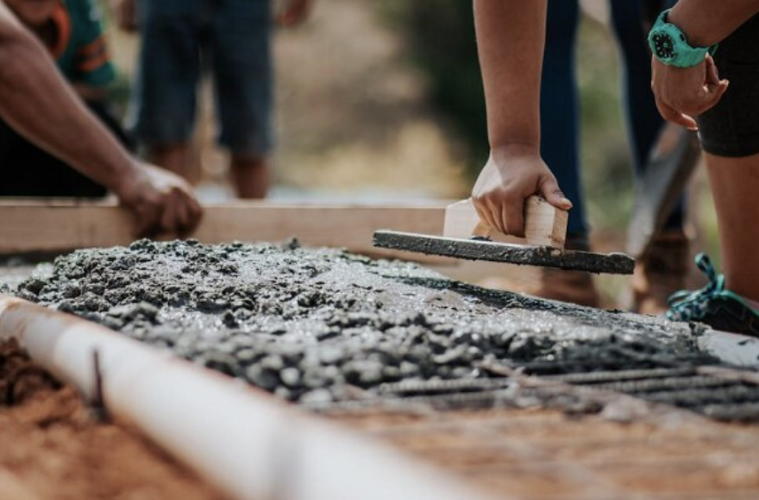
Concrete doesn’t get much appreciation. It’s there, it’s solid, and most people only notice it when something goes wrong. No one points at a slab and says, “That’s impressive work.” If everything is done right, concrete almost disappears from your daily thoughts.
That’s kind of the point.
The best concrete work doesn’t announce itself. It just holds up. Year after year. Through rain, heat, weight, and normal wear. When it fails, though, it tends to fail slowly, and that’s where problems begin.
A thin crack shows up near the edge. You tell yourself it’s nothing. Then another appears. Water starts collecting in spots that used to drain just fine. Doors feel a little off. Floors don’t feel quite level anymore. These things don’t happen all at once. They creep in.
And once they do, you start paying attention to concrete whether you want to or not.
Most of those issues don’t come from bad luck. They come from early decisions.
Fresh Concrete Can Be Deceptive
New concrete almost always looks good. Smooth. Clean. Solid. It gives the impression that everything underneath is just as reliable.
Sometimes it is. Sometimes it isn’t.
What really matters isn’t visible after day one. The soil preparation, the way the base was compacted, how the mix was handled, whether reinforcement was installed correctly—those details are buried, literally. But they’re the difference between concrete that lasts and concrete that slowly breaks down.
This is where experienced Concrete Contractor tend to think differently. They don’t judge a job by how it looks when it’s finished. They judge it by how it will behave years later, once the surface has stopped being new and time starts doing what it always does.
Experience Isn’t Obvious, Until It Is
Concrete isn’t forgiving. Once it sets, mistakes don’t politely disappear. They stay where they are.
People who work with concrete long enough develop a sense for things that aren’t written on a checklist. They know when ground conditions feel off. They know when weather will cause curing problems. They know when slowing down will save money later, even if it costs more time now.
That kind of judgment usually comes from seeing what happens when corners are cut. From being called back to jobs that failed. From understanding that concrete doesn’t respond well to rushing.
You don’t see that experience on the surface. You feel it years later when nothing shifts, cracks, or needs attention.
Why Cheaper Concrete Often Costs More
It’s easy to look at concrete as a place to save money. It’s not decorative. It’s not something you show off. It just needs to work.
The problem is that shortcuts in concrete rarely cause immediate failure. Poor mixing, minimal reinforcement, rushed curing, those choices often hold up just long enough to seem fine. That’s what makes them risky.
Then seasons pass. Moisture finds weak spots. Small cracks turn into structural ones. Repairs stop being optional. And concrete repairs are rarely simple. Removing sections, correcting drainage, fixing surrounding damage, it adds up quickly.
What seemed like a good deal at the start often becomes an expensive lesson later.
Concrete That’s Done Well Stays Out of the Way
Good concrete doesn’t demand attention. It doesn’t need constant fixes. It doesn’t surprise you with sudden problems.
It drains the way it should. It supports weight evenly. It handles movement without falling apart. It’s not perfect forever, but it ages in a way that doesn’t interfere with daily life.
That kind of reliability is easy to overlook until you don’t have it.
Homes with solid concrete foundations and surfaces tend to feel stable in ways that are hard to explain. Things line up. Floors stay level. Maintenance stays predictable. You don’t worry about what’s happening underneath.
A Choice You’ll Forget You Ever Made
Most long-term home decisions aren’t exciting. They don’t feel dramatic. They feel bored at the time.
Concrete is one of those decisions.
When it’s done right, you won’t think about it again for a very long time. You won’t notice it. You won’t budget for repairs. You won’t wonder if something underneath is failing.
And honestly, that’s the best outcome.
Quality concrete and best concrete contactor isn’t about looks, fame or trends. It’s about choosing something that quietly supports everything else without asking for attention. Over time, that quiet reliability becomes one of the most valuable parts of a home, even if no one ever talks about it.
Published by HOLR Magazine.