



Distracted driving comes in three main types: visual, manual, and cognitive distractions. Each one takes your attention away from the road in a different way—by pulling your eyes, your hands, or your mind away from driving. Even small distractions can increase the chance of a crash, which is why understanding them is the first step toward preventing them.
Many drivers think a quick glance at a phone or a short conversation won’t matter. But driving is a task that demands full attention. A few seconds of distraction at highway speed can mean traveling the length of a football field without really watching the road.
That’s why traffic experts often talk about the dangers of distracted driving. When attention slips, reaction time slows and important details, like a brake light ahead or a pedestrian stepping into a crosswalk, can easily be missed. The good news is that most distractions are preventable once drivers learn to recognize them.
Types of Distracted Driving
Distracted driving falls into three clear categories. Each one affects how well you control your vehicle.
1. Visual Distractions
Visual distractions take your eyes off the road.
Common examples include:
- Looking at your phone
- Checking GPS directions
- Turning to look at passengers
- Reading a notification or text
- Watching something outside the car
Taking your eyes off the road for 5 seconds at 55 mph means driving the length of a football field blind.
Phones are the biggest issue. NHTSA reported 3,308 deaths linked to distracted driving in 2022 in the U.S.
2. Manual Distractions
Manual distractions pull your hands away from the wheel.
Examples include:
- Texting or typing
- Eating while driving
- Adjusting the radio or climate controls
- Reaching for objects in the car
- Grooming (makeup, shaving)
Texting is especially risky because it combines visual, manual, and cognitive distraction at the same time.
3. Cognitive Distractions
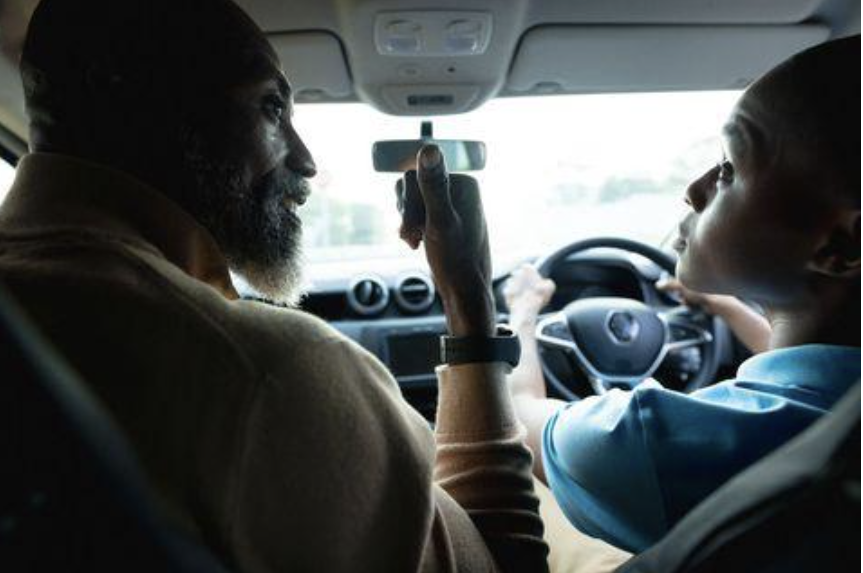
Cognitive distraction happens when your mind drifts away from driving.
Your eyes may face the road, but your focus isn’t there.
Common causes:
- Intense conversations with passengers
- Talking on the phone
- Stress, anger, or fatigue
- Daydreaming
- Driving while emotionally upset
Research from the AAA Foundation for Traffic Safety shows that mental distraction can linger up to 27 seconds after using voice-activated systems.
That means your brain may still be unfocused long after the task ends.
How to Prevent Distracted Driving
Small habits make a big difference. Focus on removing distractions before you start driving.
Practical steps you can take:
- Put your phone away: Use “Do Not Disturb While Driving” mode. Place the phone in a bag or glove box.
- Set up navigation before moving: Enter the address while parked.
- Secure loose items: Bags, drinks, and phones should not slide around.
- Limit passenger distractions: Keep conversations calm and brief.
- Pull over if something needs attention: Texts, calls, or messages can wait.
Several states now enforce strict laws against phone use while driving. For example, the Governors Highway Safety Association reports that 48 U.S. states ban texting while driving as of 2024.
The rule is simple. When you drive, driving should be your only job.
Key Takeaways
- Distracted driving has three main types: visual (eyes off the road), manual (hands off the wheel), and cognitive (mind off driving).
- Phone use is the most common cause. The National Highway Traffic Safety Administration reported 3,308 distracted-driving deaths in 2022.
- Texting while driving is especially dangerous because it combines visual, manual, and cognitive distractions at the same time.
- Looking away for just 5 seconds at highway speed means driving about the length of a football field without watching the road.
- Most U.S. states ban texting while driving, according to the Governors Highway Safety Association, and many restrict handheld phone use.
- Prevention starts before you drive: silence your phone, set navigation first, and secure loose items.
- Stay focused on the road. If something needs attention, pull over instead of handling it while driving.
Published by HOLR Magazine.