



Growing older brings new priorities. Comfort, dignity, and control over daily life often matter more than big adventures or constant change. For many older adults, the idea of leaving a familiar home feels unsettling, even when health needs grow more complex.
Aging at home lets people keep their memories close, stay near neighbours and local shops, and move through rooms that feel like part of their own story. With the right support, this choice can remain both safe and fulfilling.

Familiar Surroundings Support Emotional Wellbeing
A long-time home holds family photos, favourite chairs, and familiar light patterns across the floor. These details create a sense of security that can be hard to replicate in a new environment. Older adults often draw strength from objects and routines that remind them of past achievements and relationships.
Staying in a known space reduces confusion for those who live with memory changes. They know where dishes sit, which step feels slightly higher, and how the house sounds when everything runs smoothly. This familiarity lowers stress and makes daily life feel more manageable.
Even small rituals carry emotional weight. A morning cup of tea in a favourite corner, watching birds in the yard, or greeting the same neighbour on a daily walk all help older adults feel grounded and valued.
Independence And Daily Routine
Choice plays a central role in the quality of life. At home, older adults often decide when to wake, what to eat, and how to spend their time. That sense of control supports confidence and helps them feel like active participants in their own lives.
Household tasks such as cooking simple meals, watering plants, or folding laundry can become meaningful activities rather than chores. Some families explore home care services to bring professional support into the house while preserving existing routines, favorite spaces, and familiar daily rhythms. This blend lets older adults keep doing what they can, with a safety net in place for tasks that now feel harder.
Keeping a personal rhythm matters. People can follow their own sleep patterns, listen to preferred music, and maintain cultural or religious practices without asking permission or adjusting to a rigid schedule.
Personalized Support That Fits Each Household
Every household looks different. Some older adults live with a spouse, others with family, and some on their own. Aging at home gives families the flexibility to tailor support to this unique mix rather than fitting into a one-size model.
Support might include help with medication, bathing, meal preparation, or transport to appointments. It can grow or shrink as needs change, which prevents unnecessary disruption. A small increase in assistance often removes the immediate pressure to move into a residential facility.
Professionals who visit regularly get to know each person’s preferences and quirks. They learn how someone likes their tea, which chair feels most comfortable, and what topics spark conversation. This familiarity helps care feel more like a partnership and less like a service transaction.
Staying Connected To Community And Relationships
Home anchors people within their community. Local shops, faith groups, clubs, and neighbours often sit within walking distance or a short drive. These connections reduce isolation and give older adults reasons to get dressed, go out, and stay involved.
Familiar routes and faces build confidence. A quick chat with a shopkeeper or a nod from a neighbour can brighten a morning and remind someone that others notice and care. These small interactions often feel easier in a long-time neighbourhood than in a new setting.
Family visits may feel more relaxed at home, too. Grandchildren can play with familiar toys, adult children know where everything sits in the kitchen, and gatherings follow established patterns. This comfort encourages more frequent visits, which supports emotional well-being on both sides.
Safety, Comfort, And Practical Home Modifications
Aging at home does not mean ignoring safety. Many houses benefit from modest changes that reduce fall risk and make everyday tasks easier. Simple steps often bring big gains in peace of mind.
Grab bars in the bathroom, non-slip mats, improved lighting, and handrails on stairs all support safer movement. Rearranging furniture to create clear pathways and placing commonly used items within easy reach further reduces strain.
Larger changes, such as walk-in showers, ramps, or stair lifts, can extend the time someone remains comfortable in their own space. When families plan these modifications early, they spread costs out and avoid rushed decisions after a fall or hospital stay.
Planning Ahead For Flexible Aging Choices
Aging at home works best when families talk early about preferences, finances, and potential health changes. Open conversations help everyone understand what matters most to the older adult and what support might become necessary in the future.
Written plans that cover emergency contacts, medical wishes, and practical details such as bills and household maintenance reduce stress during unexpected events. These plans also guide friends and relatives who step in to help.
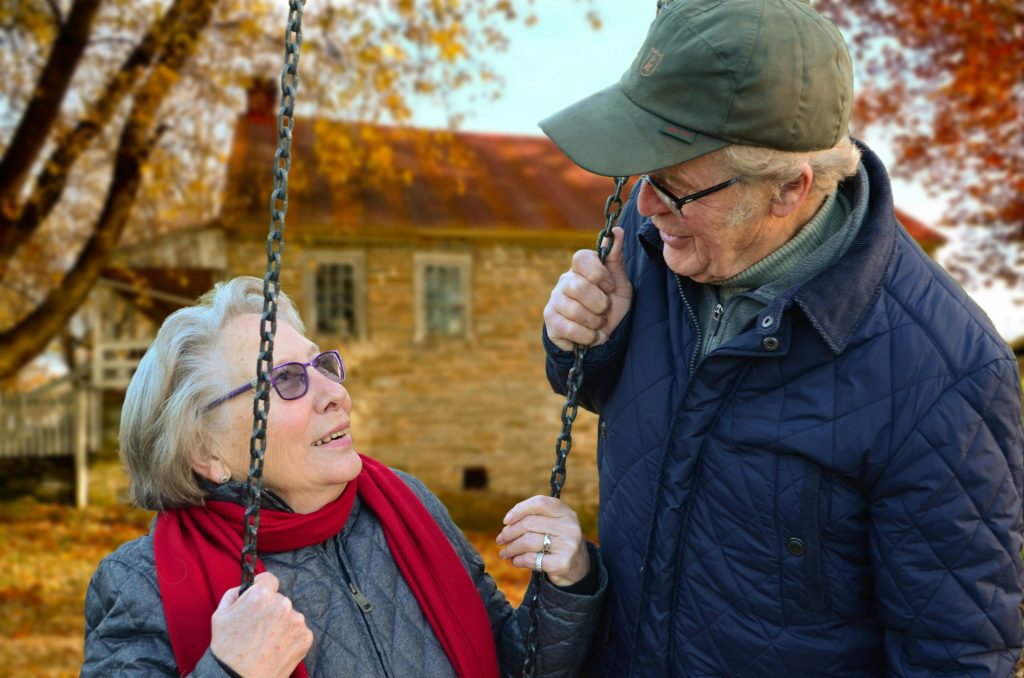
Many older adults choose to age at home because it protects their independence, identity, and connection to familiar places. With thoughtful planning, modest home adjustments, and tailored support, staying in a beloved house can remain a realistic and rewarding path.
Families who embrace open conversations and flexible solutions often find that home continues to serve as a place of comfort, dignity, and shared memories through the later chapters of life.
Published by HOLR Magazine.