


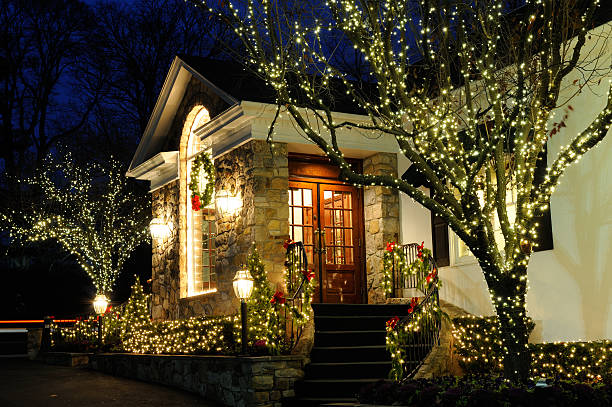
When people think about improving their homes, they often focus on interior spaces such as kitchens, living rooms, or bedrooms. However, the outdoor areas surrounding a home are just as important. Patios, walkways, gardens, and entryways all contribute to the overall experience of a property. One simple yet powerful way to enhance these spaces is through outdoor lighting.
Thoughtfully planned outdoor lighting does much more than brighten a space after sunset. It plays a role in safety, security, aesthetics, and usability. From guiding visitors along pathways to highlighting architectural features and creating a welcoming atmosphere, lighting can transform outdoor environments in meaningful ways.
Understanding the uses, importance, and benefits of outdoor lighting helps homeowners and property managers make better decisions about how they design and maintain their exterior spaces.

Improving Safety Around the Home
One of the most important reasons for installing outdoor lighting is safety. Dark walkways, steps, and driveways can become hazardous when visibility is limited. Even familiar paths can pose risks when people cannot clearly see where they are walking.
Strategically placed lights along pathways, stairs, and entry points help prevent trips and falls. Clear illumination makes it easier for residents and visitors to navigate outdoor areas with confidence.
Lighting also improves visibility for drivers pulling into driveways or garages at night. When outdoor spaces are well lit, it becomes easier to see obstacles, curbs, or other potential hazards.
In this way, outdoor lighting supports everyday safety by reducing the chances of accidents and improving visibility during nighttime hours.
Enhancing Home Security
Another key benefit of outdoor lighting is increased security. Darkness can create hiding places around homes and properties, making it easier for unwanted activity to go unnoticed. Proper lighting removes these shadows and helps keep exterior spaces visible.
Lights placed near entrances, garages, and backyard areas help homeowners monitor their surroundings more effectively. When outdoor spaces are illuminated, it becomes easier for neighbors and passersby to notice unusual activity as well.
Motion-activated lighting is another common approach. These lights automatically turn on when movement is detected, drawing attention to activity around the property. This type of lighting can help discourage trespassing while also providing convenience for residents arriving home at night.
By improving visibility and reducing dark areas, outdoor lighting plays an important role in supporting home security.
Expanding the Use of Outdoor Spaces
Outdoor spaces can serve many purposes, from relaxing in the evening to hosting gatherings with friends and family. However, without proper lighting, these areas often become unusable once the sun goes down.
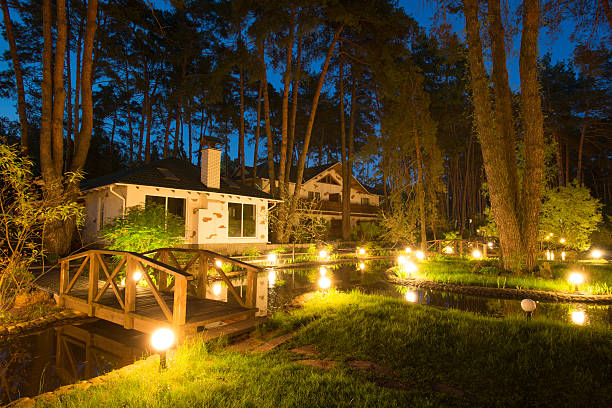
With well-designed outdoor lighting, patios, decks, and gardens can remain functional long after daylight fades. Soft lighting around seating areas creates a comfortable atmosphere where people can unwind, read, or enjoy conversation.
Dining areas outside also benefit from gentle illumination that allows people to see their surroundings while maintaining a pleasant mood. Even simple lighting additions can make outdoor environments feel inviting and usable during the evening.
By extending the hours that outdoor spaces can be enjoyed, lighting adds value to the home and encourages people to spend more time outside.
Highlighting Landscape and Architecture
Outdoor lighting is also an effective way to showcase the beauty of a property. Landscaping, trees, pathways, and architectural details often look different after sunset when light is carefully directed toward them.
Subtle outdoor lighting can highlight garden features, stonework, or water elements that might otherwise disappear into the darkness. Lighting placed near trees or shrubs can create interesting shadows and textures that enhance the natural beauty of the yard.
Architectural lighting can also emphasize design features such as columns, arches, or textured walls. When these elements are illuminated, they add character and visual interest to the home’s exterior.
By focusing attention on these details, outdoor lighting helps transform the nighttime appearance of a property.
Creating a Welcoming Atmosphere
Lighting has a strong influence on how people feel in a space. Warm, gentle lighting can create a calm and welcoming environment, while overly bright lighting may feel harsh or uncomfortable.
Thoughtful outdoor lighting design focuses on balance. Instead of lighting every area equally, designers often use layers of light to create depth and atmosphere. Path lights, accent lights, and overhead fixtures each play different roles in shaping the mood of the space.
A softly lit entrance can make visitors feel more welcome when they arrive at a home. Similarly, subtle lighting around gardens or seating areas can create a relaxing ambiance during the evening.
These small details can greatly improve the overall experience of outdoor spaces.
Supporting Energy Efficiency
Modern lighting technology has made outdoor lighting more energy efficient than ever before. Many systems now use low-energy bulbs and smart controls that help reduce electricity consumption while still providing effective illumination.
Timers and motion sensors allow lights to operate only when needed. This prevents unnecessary energy use while still maintaining safety and visibility.
Additionally, directional lighting helps focus light where it is needed most instead of spreading it across large areas. This approach reduces wasted energy and improves overall lighting efficiency.
Energy-efficient outdoor lighting solutions make it possible to enjoy well-lit spaces without significantly increasing energy usage.
Encouraging Outdoor Lifestyle
In many places, outdoor living has become an important part of daily life. People enjoy gardening, relaxing on patios, and spending time outside with family and friends. Lighting supports this lifestyle by making outdoor spaces comfortable and usable during the evening.
Well-planned outdoor lighting encourages people to spend more time outdoors. Instead of retreating indoors after sunset, residents can continue enjoying their yards, gardens, or outdoor seating areas.
This connection with outdoor environments can improve relaxation and help people feel more connected to their surroundings.
Planning an Effective Lighting Layout
When designing outdoor lighting, it is important to consider both function and aesthetics. Lighting should guide movement, highlight important features, and create a comfortable atmosphere without overwhelming the space.
Some key considerations include:
- Illuminating pathways and entrances for safety
- Highlighting landscaping or architectural details
- Avoiding excessive brightness that causes glare
- Using layered lighting for depth and balance
A thoughtful layout ensures that lighting serves practical purposes while also enhancing the visual appeal of the property.
Conclusion
Outdoor spaces play a vital role in how people experience their homes, and lighting is one of the most effective ways to improve these areas. From increasing safety and security to creating welcoming environments and highlighting landscape features, outdoor lighting offers many practical benefits.
By carefully planning how light is used in exterior spaces, homeowners can transform their properties into functional and inviting environments that can be enjoyed both day and night. Whether guiding footsteps along a path or illuminating a quiet garden corner, outdoor lighting helps shape outdoor living in meaningful and lasting ways.
Published by HOLR Magazine.