


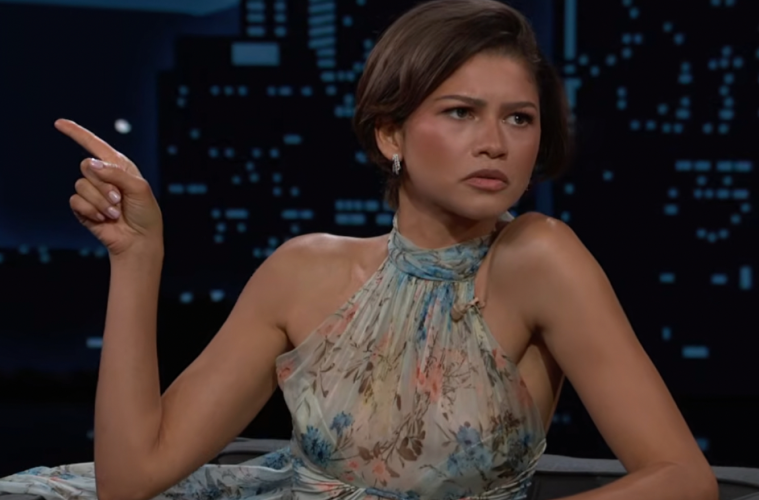
Zendaya Addresses Viral AI Wedding Images With Tom Holland
Viral Images Spark Confusion Online
March 17, 2026 – Actress Zendaya has responded to viral images that appeared to show her wedding to Tom Holland—clarifying that the photos are not real but instead generated using artificial intelligence.
The images quickly spread across social media platforms, with many fans initially believing they captured a private wedding ceremony between the high-profile couple. The realistic nature of the visuals led to widespread confusion, highlighting the growing sophistication of AI-generated content.

Image Credit: Getty Images
Zendaya Speaks Out
Zendaya addressed the situation directly, noting that “many people have been fooled” by the images. Her response shed light on how convincing AI-generated visuals have become, especially when they involve celebrities whose personal lives already attract significant attention.
Rather than fueling speculation, Zendaya made it clear that the images were fabricated, helping to set the record straight for fans who had mistaken them for real-life moments.
Her reaction was calm but pointed, emphasizing the importance of questioning what people see online.
The Rise of AI-Generated Celebrity Content
The incident reflects a broader trend in digital media, where AI tools are increasingly being used to create hyper-realistic images and videos. While these technologies offer creative possibilities, they also raise concerns about misinformation and privacy.
In the case of Zendaya and Tom Holland, the images blurred the line between reality and fiction, demonstrating how easily false narratives can gain traction online.
As AI-generated content becomes more advanced, distinguishing between authentic and fabricated media is becoming increasingly difficult for the average viewer.
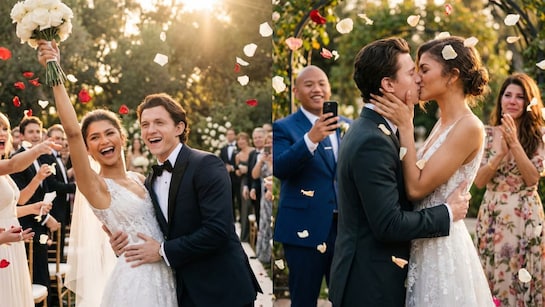
Image Credit: Instagram/the_imagine_effect
Why Fans Were Convinced
Part of the reason the images gained so much attention is the couple’s popularity. Zendaya and Tom Holland have long been one of Hollywood’s most talked-about pairs, with fans closely following their relationship.
This level of public interest makes them particularly vulnerable to viral rumors and manipulated content. When realistic images appear, they can quickly align with existing fan expectations, making them more believable.
The emotional appeal of a “secret wedding” narrative further contributed to the rapid spread of the images.
The Importance of Digital Awareness
Zendaya’s response highlights a growing need for digital literacy in an era dominated by AI-generated media. Understanding how easily images can be manipulated is becoming essential for navigating online spaces responsibly.
Experts often encourage users to verify sources, question unexpected content, and rely on credible information before accepting viral posts as truth.
For celebrities, this shift also means dealing with new challenges related to privacy and misinformation.

Image Credit: Getty Images
A Growing Challenge for Public Figures
Incidents like this are becoming increasingly common, as public figures find themselves at the center of AI-generated narratives. From fake announcements to fabricated visuals, celebrities are often forced to respond quickly to prevent misinformation from spreading further.
Zendaya’s approach—addressing the issue directly without escalating it—demonstrates a balanced way of handling such situations.
It also underscores how the relationship between celebrities and their audiences is evolving in the digital age, where communication is more immediate but also more complex.
What This Means Moving Forward
As AI technology continues to advance, similar situations are likely to become more frequent. Platforms and users alike will need to adapt, developing better tools and habits for identifying manipulated content.
For fans, this means approaching viral posts with a degree of skepticism, especially when they involve major personal milestones like weddings or engagements.
For celebrities, it means navigating a landscape where even private moments can be artificially created and widely shared.
View this post on Instagram
Final Thoughts
Zendaya’s response to the viral AI-generated wedding photos serves as a timely reminder of how quickly misinformation can spread in today’s digital environment. While the images may have been convincing, her clarification brought the focus back to reality, emphasizing the importance of verifying what we see online. As technology continues to blur the line between fact and fiction, moments like this highlight the need for awareness, responsibility, and critical thinking in the way we consume content.
FAQs
Q1: Were Zendaya and Tom Holland actually married?
No, the viral wedding images were AI-generated and not real.
Q2: What did Zendaya say about the photos?
She stated that many people were fooled by the images and clarified they were fake.
Q3: Why did the images go viral?
Their realistic appearance and the couple’s popularity made them believable to many fans.
Q4: What technology created the images?
The images were generated using artificial intelligence tools capable of creating realistic visuals.
Q5: What lesson can be learned from this incident?
It highlights the importance of verifying information and being cautious of AI-generated content online.
Published by HOLR Magazine