


Disco dancers, opera flair and celebrity spectacle
A theatrical fusion of culture and pageantry
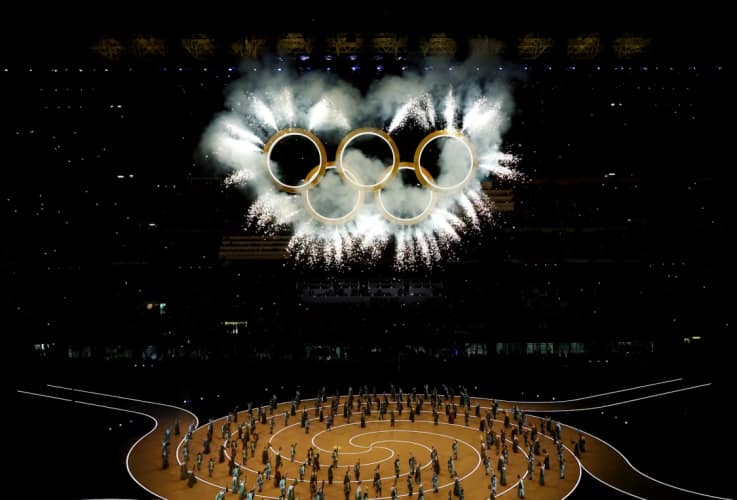
February 7, 2026: The Milano Cortina 2026 Winter Olympics opening ceremony at San Siro Stadium in Milan mixed spectacle with surreal theatricality. The event, built around the theme “Armonia” (harmony), aimed to represent unity, culture and shared experience through vibrant performances, artistic nods and stylistic creativity across venues including Milan, Livigno, Predazzo and Cortina d’Ampezzo.
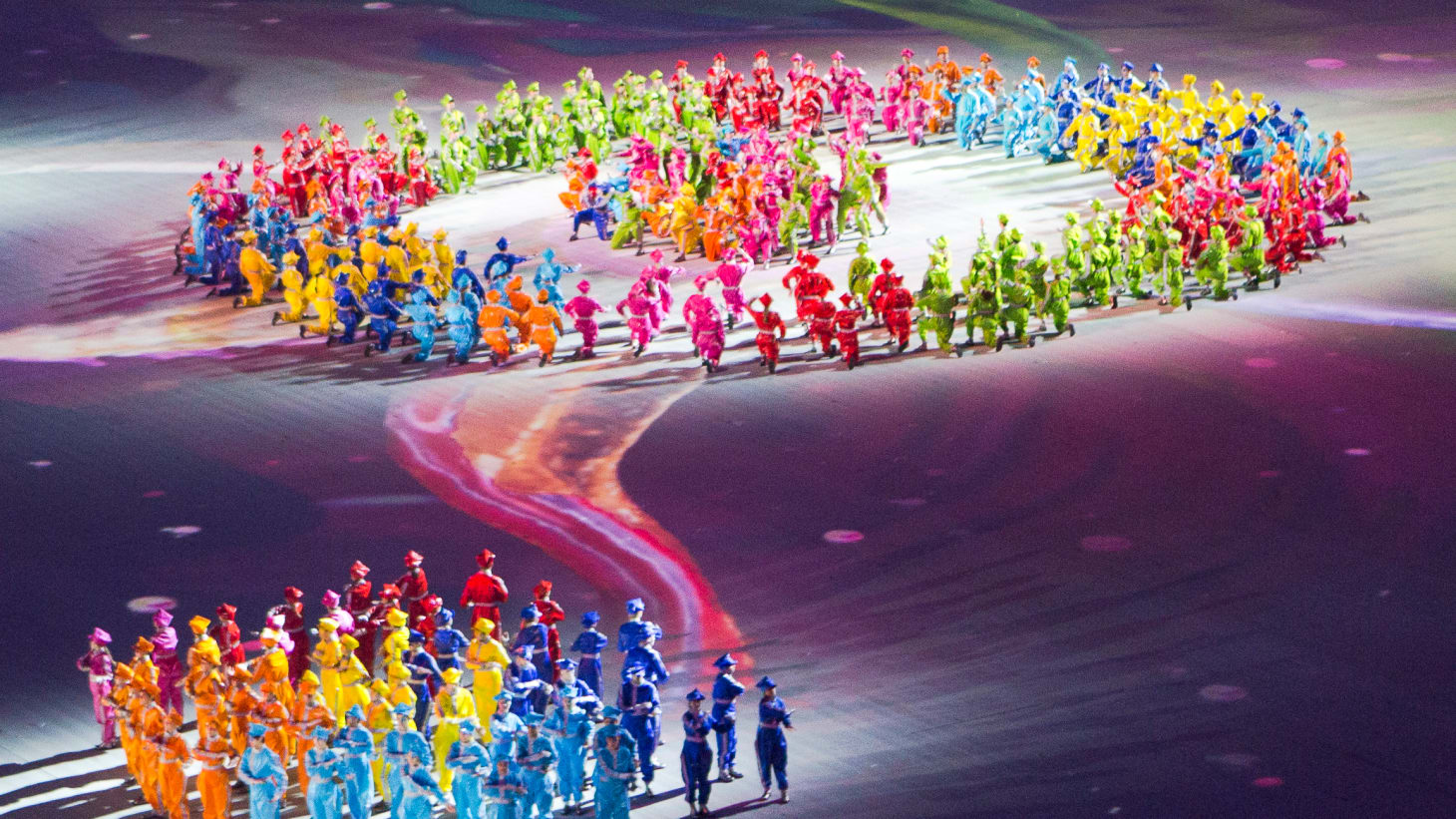
Image Credit: Olympics/X
Opera icons turned disco stars
One of the most talked-about segments involved dancers dressed as legendary Italian opera composers — Giuseppe Verdi, Giacomo Puccini and Gioachino Rossini — unexpectedly grooving to upbeat Italo-disco rhythms. Critics and viewers alike called it a playful, if eccentric, juxtaposition of high culture and modern pop sensibilities that briefly upstaged even Mariah Carey’s performance.
:max_bytes(150000):strip_icc():focal(999x0:1001x2):format(webp)/mariah-carey-opening-ceremony-2026-winter-olympics-020226-8f1262071824431dad8193586f45290d.jpg)
Image Credit: Matthias Hangst/Getty
Carey, Bocelli, Bartoli and more take the stage
Legendary singer Mariah Carey delivered a rendition of the Italian classic “Nel blu dipinto di blu (Volare)” in Italian before transitioning into her own inspirational song “Nothing Is Impossible.” The beloved diva’s staging, elaborate gown and multilingual set were major focal points — though some critics accused her of lip-syncing, prompting mixed reactions online.
Italian tenor Andrea Bocelli delivered “Nessun Dorma,” while pianist Lang Lang and soprano Cecilia Bartoli provided classical gravitas. Italian actress Matilda De Angelis performed choreographed sequences blended with Italy’s vibrant ballet and folk dancers.
:max_bytes(150000):strip_icc():focal(749x0:751x2):format(webp)/milan-cauldron-lighting-olympics-opening-ceremony-020626-1-70e4229f4a184168bcd428367f6bb729.jpg)
Image Credit: Lars Baron/Getty
The parade, politics and protest
The athlete parade was geographically expansive — with teams entering in multiple clusters rather than a single stadium lap — and included delegates from more than 90 nations. While most moments drew cheers, some instances of booing occurred, notably during appearances by U.S. political figures seen on cameras and the Israeli delegation during their march.
:max_bytes(150000):strip_icc():focal(749x0:751x2):format(webp)/charlize-theron-olympics-opening-ceremony-020626-2-ccff92e59e1b4136b817bda1f7fd02b0.jpg)
Image Credit: Getty
Lighting the dual cauldrons
A historic moment came when Olympic cauldrons were lit simultaneously at San Siro and in Cortina d’Ampezzo, symbolizing the co-host cities’ collaboration. Italian downhill legend Sofia Goggia lit the flame with torchbearers, underscoring Italy’s deep connection to winter sports.
Final thoughts
The Milano Cortina opening balanced bold cultural references with classic Olympic ritual, generating a feast of memorable visuals and headline moments — from opera masters upstaging pop stars to symbolic gestures of harmony that echoed across Italy and the world. Whether seen as a dazzling tribute or a quirky fever dream, the ceremony set a tone as unpredictable as it was unforgettable.
FAQs
Q1: Where was the 2026 Winter Olympics opening ceremony held?
It took place at San Siro Stadium in Milan, with linked events across four venues in northern Italy.
Q2: Who performed at the ceremony?
Performers included Mariah Carey, Andrea Bocelli, Lang Lang, Cecilia Bartoli and Italian actress Matilda De Angelis.
Q3: What unusual cultural moment captured attention?
Dancers dressed as opera composers Verdi, Puccini and Rossini dancing disco was a key highlight.
Q4: Were there political reactions during the parade?
Yes — some spectators booed political figures and delegations during the athlete march.
Q5: How were the Olympic cauldrons lit?
Dual cauldrons were lit simultaneously in Milan and Cortina d’Ampezzo, symbolizing collaboration by the co-hosts.
Published by HOLR Magazine