


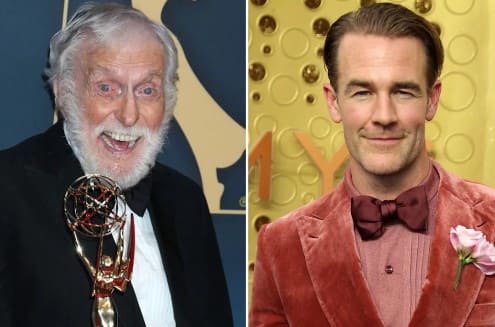
A radio host issued an apology after confusing Dick Van Dyke with James Van Der Beek on air. The name mix-up quickly spread online and prompted correction.
On-Air Mix-Up Triggers Listener Reaction
February 13, 2026: A radio host is facing online criticism after mistakenly confusing legendary entertainer Dick Van Dyke with actor James Van Der Beek during a live broadcast, prompting a swift on-air apology and follow-up clarification. The moment quickly circulated across social media, where listeners highlighted the high-profile name mix-up and called for greater accuracy when discussing public figures.
The incident occurred during a segment covering recent entertainment headlines, when the host referenced the wrong actor while discussing a trending news story. Within minutes, listeners began posting clips and transcripts of the error, accelerating its spread across platforms and entertainment forums.
The host later issued a correction and apology, acknowledging the mistake and clarifying the identities and careers of both performers.

Two Very Different Careers, One Big Name Error
The confusion drew attention largely because the two actors come from completely different entertainment eras and backgrounds.
Dick Van Dyke is widely recognized as one of television and film’s most iconic performers, with a career spanning decades across comedy, musical film, and classic television. His legacy includes landmark roles in variety shows, family films, and stage productions, making him a household name across generations.
James Van Der Beek, by contrast, is best known for his breakout role in the late-1990s teen drama series Dawson’s Creek and for later television and film work. While also well known, he belongs to a different generation of performers and rose to fame through a separate pop culture wave.
Because both names share the “Van” structure and similar rhythm, some listeners noted that verbal slip-ups are possible — but critics argued that media professionals should double-check references before going on air.
The Apology and Clarification
Following the broadcast, the host addressed the mistake directly, apologizing to listeners and to both actors. The correction included:
- A clear acknowledgment of the name error
- A corrected restatement of the news item
- A brief note recognizing each actor’s distinct career
- An assurance of improved fact-checking going forward
Media analysts say fast, direct corrections are considered best practice in broadcast environments, particularly when errors involve real individuals rather than general facts.
The station also reportedly updated its posted segment description to reflect the corrected reference.
Image Credit: USA Today
Why On-Air Errors Spread So Fast Now
Moments like this now travel far beyond the original broadcast because of real-time clipping and sharing behavior. Listeners frequently record short audio snippets and post them within minutes, turning brief mistakes into viral moments.
Several factors amplify these incidents:
- Instant replay through social platforms
- Fan communities monitoring mentions
- Celebrity name recognition
- Short-form clip culture
- Algorithmic boost for “mistake moments”
What might once have been a minor on-air slip now often becomes a widely discussed media moment within hours.
Media Accuracy Under the Spotlight
Broadcast professionals are generally trained to verify names, titles, and attributions before referencing them live, but fast-moving segments — especially those reacting to breaking or trending news — can increase the risk of verbal errors.
Industry trainers note that name confusion is one of the most common live-media mistakes, particularly when:
- Names sound similar
- Stories are developing quickly
- Scripts are updated last minute
- Multiple celebrity stories are discussed back-to-back
Still, audiences increasingly expect high precision, especially when discussing well-known public figures.

Image Credit: Yahoo News UK
Public Reaction Mixed but Loud
Online reaction ranged from light humor to sharp criticism. Some users treated the mix-up as a harmless verbal stumble, while others argued it reflected a lack of preparation. Meme posts and joke comparisons circulated alongside more serious commentary about broadcast standards.
Entertainment commentators noted that public response patterns often follow a familiar curve:
- Clip spreads
- Jokes and memes appear
- Criticism rises
- Apology issued
- Story fades
Because the host corrected the mistake quickly, many observers expect the controversy to remain short-lived.
The Challenge of Live Broadcasting
Live radio remains one of the few mainstream media formats where mistakes cannot be edited out before the audience hears them. Unlike pre-recorded podcasts or produced television segments, live hosts must process information and speak simultaneously.
Common live-broadcast risks include:
- Name swaps
- Misread headlines
- Outdated script lines
- Pronunciation errors
- Wrong attribution
Training focuses on recovery — how quickly and clearly a host corrects an error — as much as prevention.
Celebrity Name Confusion Isn’t New
Name mix-ups involving celebrities are not uncommon in media history, especially when names share phonetic similarities or structural patterns. However, today’s digital environment gives these moments far more visibility than in past decades.
Experts say the key reputational factor is not the mistake itself, but the response — speed, clarity, and accountability matter most in audience perception.
Moving Forward
With the correction now issued and clarified, the story is shifting from outrage to example — a reminder of the pressure and pace of live media. Stations and hosts often use such incidents internally as training moments to reinforce verification habits.
Both actors involved continue to maintain strong public recognition and distinct legacies, and there is no indication of any formal complaint arising from the mix-up.
FAQs
What happened with the radio host?
The host mistakenly mixed up Dick Van Dyke and James Van Der Beek during a live segment and later issued an on-air apology and correction.
Did the host apologize publicly?
Yes. A direct apology and clarification were delivered after the error was recognized.
Why did the mistake spread online so quickly?
Listeners clipped and shared the audio, and celebrity-name errors tend to gain rapid social media traction.
Are live broadcast name errors common?
They are one of the most common live-media mistakes, especially in fast-paced news or entertainment segments.
Was any official complaint filed?
There has been no public indication of a formal complaint related to the incident.
Published by HOLR Magazine