


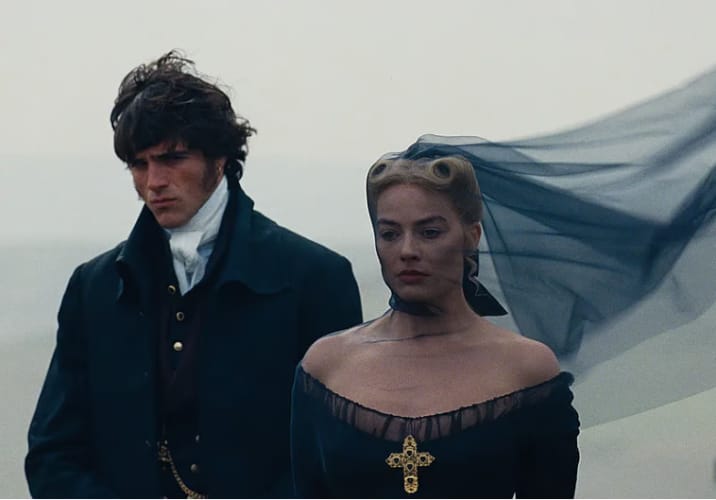
The romantic myth clashes with the novel’s brutal truth
The fantasy we fell for
February 19, 2026 – For generations, Wuthering Heights has been held up as the ultimate symbol of aching, obsessive love. Its legacy has shaped how yearning is romanticized in pop culture, turning emotional suffering into something aspirational — even desirable. But the fantasy often overshadows what the story actually depicts.
Romance misunderstood.

Image Credit: Warner Bros
What the novel really shows
Written by Emily Brontë, the novel is less about epic romance and more about emotional cruelty, revenge, and psychological damage. Heathcliff and Catherine’s bond is volatile and destructive, driven by control and resentment rather than tenderness. The longing readers swoon over is rooted in misery, not passion.
Darkness ignored.
/socialketchup/media/media_files/2026/02/13/wuthering-heights-review-2026-02-13-18-05-04.jpg)
Image Credit: Warner Bros
Why yearning feels seductive
Modern audiences often strip away the uglier layers, focusing instead on intensity and devotion. In an era obsessed with “slow burn” romance, Wuthering Heights is frequently misread as proof that love should hurt to be meaningful — a narrative that can quietly normalize emotional harm.
Toxic tropes linger.

Image Credit: Warner Bros.
Separating desire from damage
Revisiting the novel with a critical lens reveals a cautionary tale, not a love story to emulate. The book warns against mistaking obsession for destiny and pain for depth — lessons that feel especially relevant in today’s romantic storytelling.
Reality check.

Image Credit: Warner Bros.
Final thoughts
Wuthering Heights didn’t teach us how to love — it showed us what happens when love curdles into fixation. The yearning may be intoxicating, but the reality is far from romantic.
FAQs
Q1: Is Wuthering Heights meant to be a romance?
Not traditionally — it’s a gothic novel centered on obsession and conflict.
Q2: Why is it often romanticized?
Readers and adaptations tend to emphasize intensity over emotional damage.
Q3: Are Heathcliff and Catherine a healthy couple?
No, their relationship is widely considered toxic and destructive.
Q4: What was Emily Brontë’s intention?
She portrayed the consequences of unchecked passion, not idealized love.
Q5: Why does this debate still matter?
It shapes how audiences interpret longing, love, and emotional pain today.
Published by HOLR Magazine