


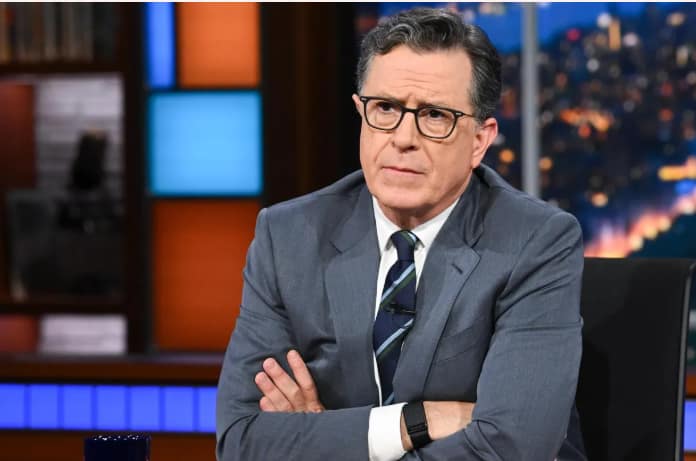
Host claims political rule blocked unaired Democratic interview
An explanation to viewers
February 20, 2026 – Stephen Colbert revealed that CBS chose not to air a recent interview with a Democratic figure due to concerns surrounding the FCC’s “equal time” rule. Addressing the situation on his show, Colbert suggested the decision was driven by regulatory caution rather than editorial preference.
Decision explained.
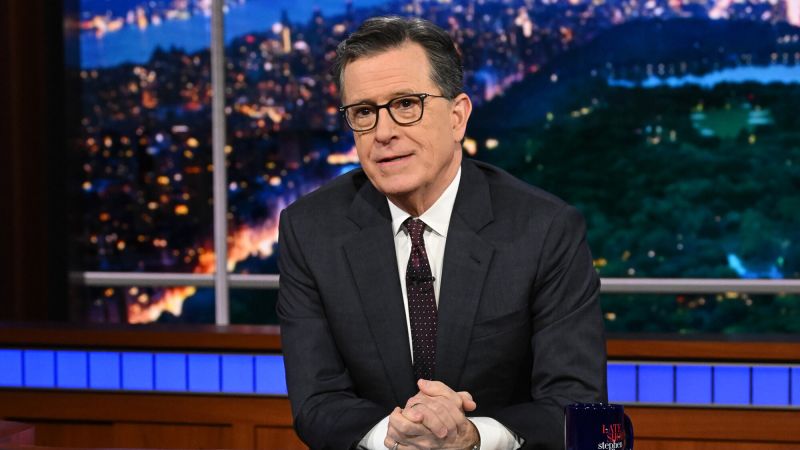
Image Credit: Scott Kowalchyk/CBS
What the equal time rule means
The Federal Communications Commission requires broadcasters to provide equal opportunities to legally qualified political candidates when airtime is given to one. Colbert noted that airing the interview could have obligated CBS to offer equivalent time to opposing candidates, complicating programming decisions.
Regulatory limits cited.
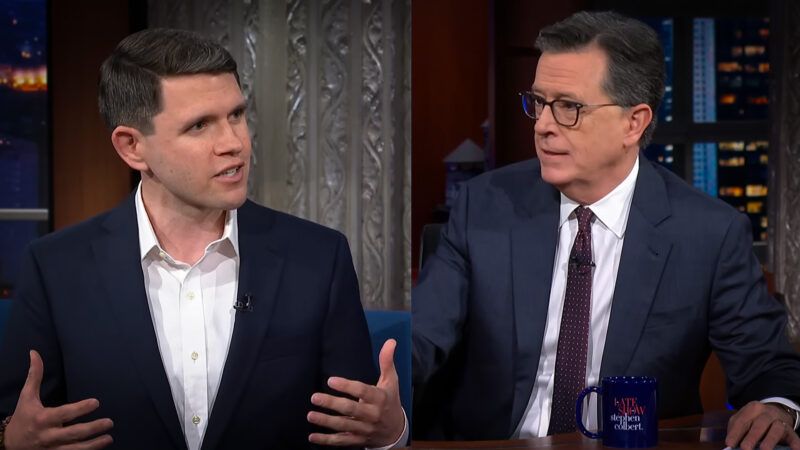
Image Credit: The Late Show via YouTube
Political coverage under scrutiny
The revelation reignited debate around how broadcast networks handle political content during sensitive periods. Critics argue the rule can discourage meaningful conversations, while defenders say it prevents favoritism and preserves fairness in election-related coverage.
Coverage questioned.
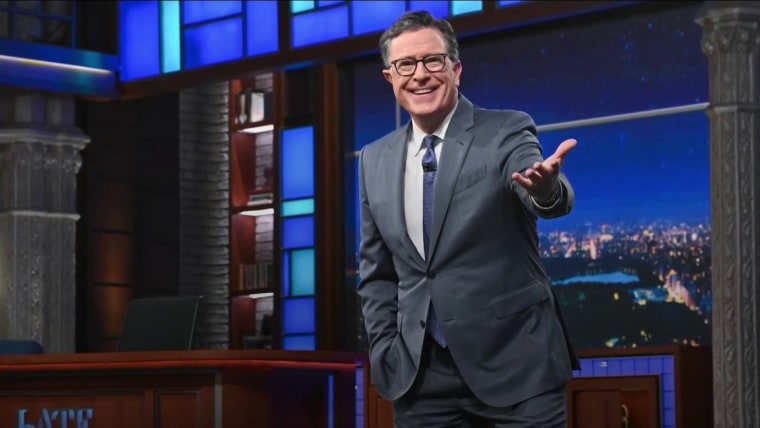
Image Credit: The Late Show/CBS
Audience reaction
Viewers reacted with a mix of frustration and understanding, with some expressing disappointment that the interview was shelved, and others acknowledging the complexities networks face when balancing journalism, entertainment, and federal regulations.
Mixed response.
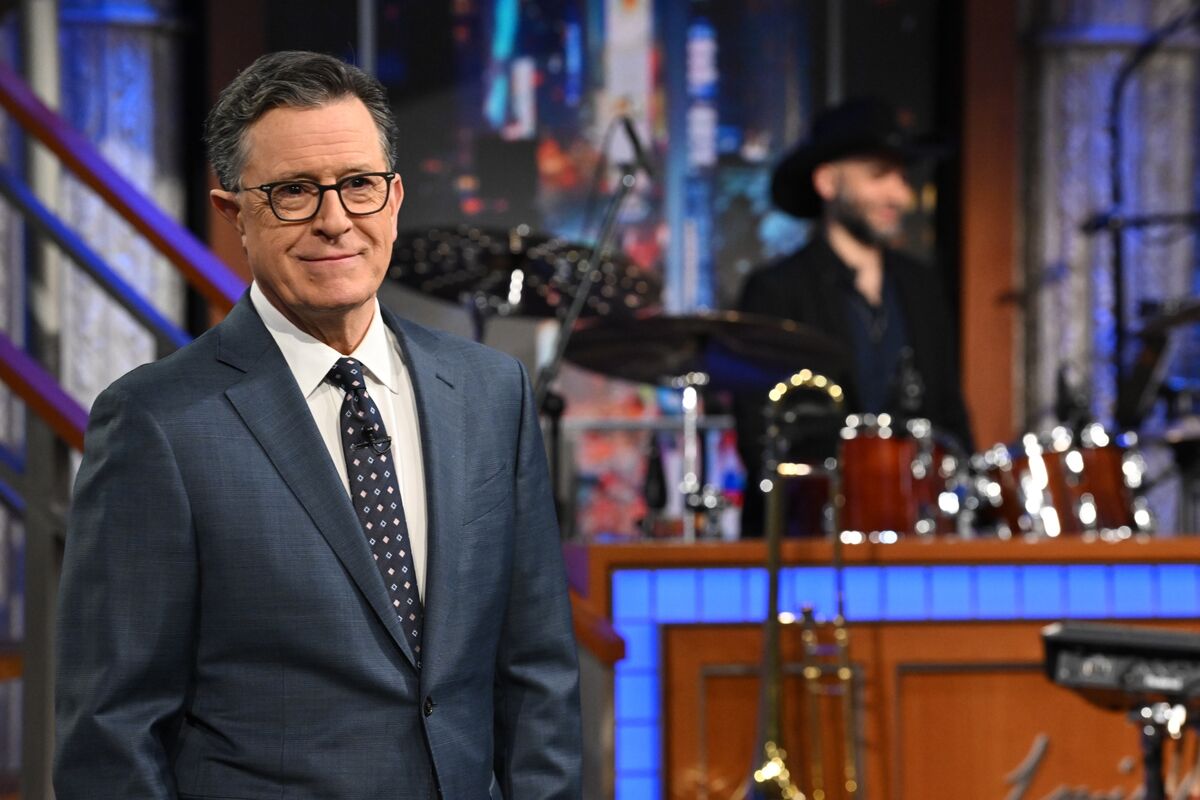
Image Credit: The Late Show/CBS
Final thoughts
Colbert’s comments highlight the often unseen constraints shaping what audiences see on television — reminding viewers that behind-the-scenes legal considerations can influence even high-profile programming decisions.
FAQs
Q1: Why didn’t CBS air the interview?
Colbert said it was due to concerns over the FCC’s equal time rule.
Q2: What is the equal time rule?
It requires broadcasters to give equal airtime to political candidates.
Q3: Who explained the situation publicly?
Stephen Colbert addressed it on his show.
Q4: Does the rule apply to all networks?
It primarily affects broadcast networks regulated by the FCC.
Q5: Why is this controversial?
Some believe it limits political discussion on major platforms.
Published by HOLR Magazine