


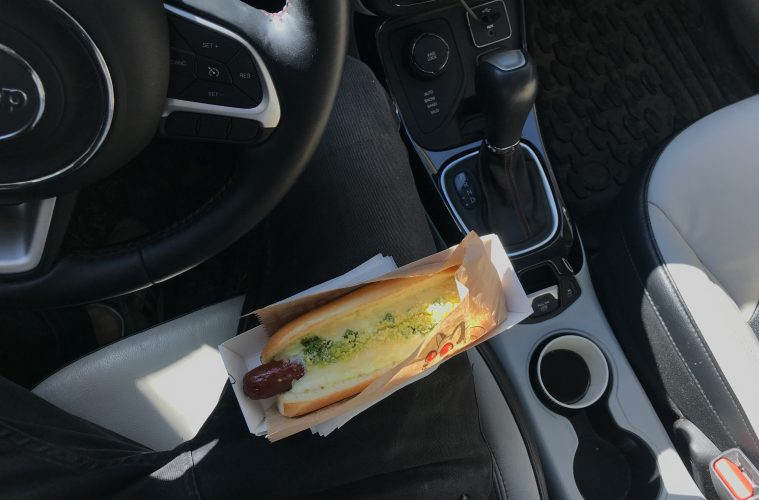
Some of the best meals in life aren’t eaten at dinner tables—they’re discovered on highways, in small-town cafés, night-market stalls, farm stands, and family kitchens around the world. A long, one-way road trip between the United States and Canada is one of those rare adventures that blends travel, flavors, and memories into something unforgettable. It’s the kind of journey where a traveler learns that food is more than fuel; it’s a map of culture, geography, and the stories of the people who prepare it.
For anyone passionate about cooking, recipes, or global food traditions, a one-way USA↔Canada road trip offers something extra special: a chance to collect culinary inspiration mile after mile—without having to loop back home.

Why a One-Way USA↔Canada Food Adventure Makes Sense
A foodie road trip is different from an ordinary vacation. Instead of rushing from point A to point B, the traveler moves slowly—sampling regional specialties, watching landscapes shift, and connecting the dots between ingredients and the places they come from.
North America is perfect for this.
A journey that begins anywhere in the U.S.—say, from someone’s home kitchen where they pack snacks for the drive—and ends deep in Canada brings exposure to a remarkable spectrum of flavors. Imagine starting in the American Southwest, where chiles and mesquite smoke shape the cuisine, and ending weeks later in British Columbia or Alberta, tasting wild-caught salmon, bannock cooked outdoors, and local berries that grow in colder climates.
Or perhaps the trip begins on the East Coast with lobster rolls, clam chowder, and apple cider doughnuts, before heading north into Quebec for maple confections, artisanal cheeses, and hearty slow-cooked dishes influenced by centuries of tradition.
No matter the route, a one-way drive provides a more natural rhythm. There’s no pressure to save time or energy for the return trip. The traveler can spend an extra afternoon chatting with a local baker, take a detour to a regional farmers’ market, or stay an extra night in a town known for its craft breweries—all without worrying about retracing the entire distance back home.
Begin and End Wherever You Want—Food Guides the Path
Every traveler’s starting point is personal and flexible. Most people begin from their own home in the U.S. or Canada, loading the trunk with essentials: spices they might share with new friends, a notebook for jotting down recipe ideas, or reusable containers in case they want to bring home a unique ingredient discovered along the way.
Others do the opposite. If someone dreams of starting their road trip in a specific region known for its cuisine—like Southern California for its fusion food scene, Texas for barbecue, or Vancouver for its Asian-influenced culinary culture—they might ship their vehicle there first and then drive home. Either approach fits perfectly into a long-distance journey.
The magic of a one-way foodie road trip is that it adapts to the traveler, not the other way around.
For example:
- A baker might map a route based on sourdough styles from city to city.
- A home cook might chase spice markets, seafood harbors, or BBQ traditions.
- An adventurous eater may build their itinerary around regional food festivals.
And when the journey eventually ends—whether in a small Canadian town with a famous annual maple festival or in a bustling city like Toronto or Montreal—the traveler can savor that last meal without thinking about turning around to drive thousands of miles back.
Ending the Trip Gracefully: Leave the Car, Keep the Memories
One of the most freeing parts of a one-way road trip is being able to end it naturally, without forcing a loop or a long return drive. After all, culinary travel is immersive, emotional, and exhausting—in the best way.
When the final destination is reached, the traveler can simply park their vehicle safely in a driveway, a hotel parking lot, at a friend’s home, or in a monitored public lot. From there, they catch a flight home, carrying nothing but luggage full of spices, cookbooks, handwritten recipe notes, or maybe even homemade preserves gifted by someone along the route.
A professional service then picks up the traveler’s vehicle from wherever it was left and brings it home for them. This small logistical detail allows the foodie to focus fully on what matters: the flavors, the stories, and the personal lessons gathered across thousands of miles.
A Practical Note for Curious Travelers
Many people who take long, cross-border culinary road trips like this eventually explore the logistics behind getting their vehicle home after flying back. If you’re curious about how the process works, you can see full details here, but it’s simply a practical convenience—not something that needs to shape the journey itself.
What a Foodie Gains From This Kind of Journey
A one-way USA↔Canada road trip isn’t just about the dishes you taste—it’s about what those dishes teach you:
1. Cooking Inspiration
Sauces you try in one region influence your cooking back home. A smoked meat technique learned from a roadside pitmaster might become part of your favorite weekend recipe. A spice blend discovered at a farmers’ market could reshape an entire dish.
2. Cultural Understanding
Food reflects history. As you travel, you don’t just taste flavors—you taste migration patterns, agricultural traditions, indigenous influences, and modern innovations blending into something new.
3. A Muted Pace of Life
A long-distance trip that doesn’t require driving back allows you to cook more thoughtfully, eat more intentionally, and experience meals without rushing.
4. New Cooking Relationships
From farmers and chefs to home bakers and butchers, the people you meet can teach you techniques no cookbook ever could.
5. A Renewed Love of Food
By the time you fly home, you’ll have a deeper connection to what you cook and why you cook it.
Final Thoughts: Let the Road—and the Food—Guide You
Culinary travel is one of the most meaningful ways to explore the world. A one-way road trip between the U.S. and Canada gives travelers the space and time needed to appreciate the foods that define each region. It’s a journey where meals become memories, recipes become stories, and the road becomes a moving classroom for anyone who loves cooking.
If you’ve ever dreamed of traveling specifically to taste your way through new cultures, consider letting your next big adventure be a long, one-way foodie road trip. Start where you live, end wherever your appetite takes you, and let every flavor along the way shape the cook—and the person—you become.
Published by HOLR Magazine.