


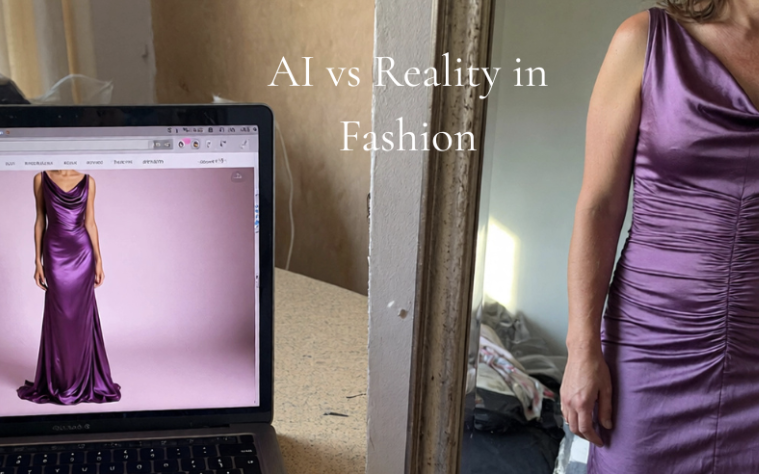
Open almost any fashion website today, and you’ll notice the same thing: everything looks unrealistically perfect.
Blazers fall without a crease. Fabrics catch light in ways they never do in real life. Models resemble simulations more closely than they do people. That’s not a coincidence. AI-generated and AI-enhanced imagery has quietly become standard practice across fashion e-commerce and marketing.
Brands are using AI because it’s fast, scalable, and visually consistent. According to a 2024 McKinsey report on fashion technology, AI-led visual production is now one of the fastest-growing tools for reducing campaign costs and speeding up go-to-market timelines.
But for shoppers, this visual polish has introduced a new problem:
When everything looks perfect, how do you know what will actually hold up in real life?
As Glossy notes in its take on how AI-generated images are changing fashion e-commerce, hyper-polished visuals can blur expectations, making it harder for shoppers to trust what they’re actually buying.
Fashion isn’t just undergoing a tech shift. It’s dealing with a credibility gap.
When Images Get Ahead of Reality
Fashion has always been aspirational. Editorial shoots were never meant to be literal — they were meant to inspire.
AI stretches that distance even further.
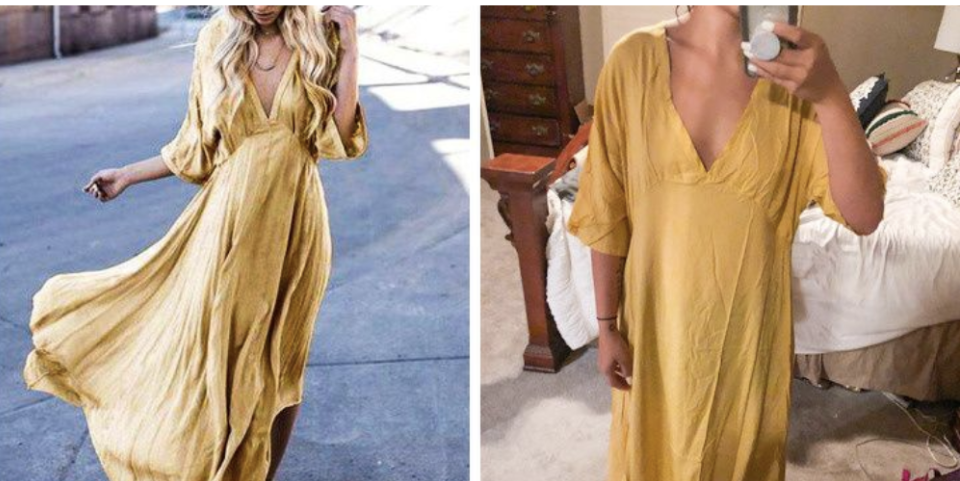
Today, pieces can be marketed long before they’re worn by real people. A jacket that looks structured online may soften quickly in real use. A fabric that photographs beautifully can feel underwhelming once it’s off the screen.
This gap between presentation and reality is something shoppers recognise instantly.
It shows up when:
- The structure doesn’t last
- The fabric feels different from what was expected
- The piece doesn’t work beyond styled photos
Retail Dive highlights that many fashion returns stem not from quality issues, but from unmet expectations created by misleading product visuals and descriptions.
Once shoppers feel misled, they hesitate the next time.
Why Shoppers Are No Longer Chasing Trends Blindly
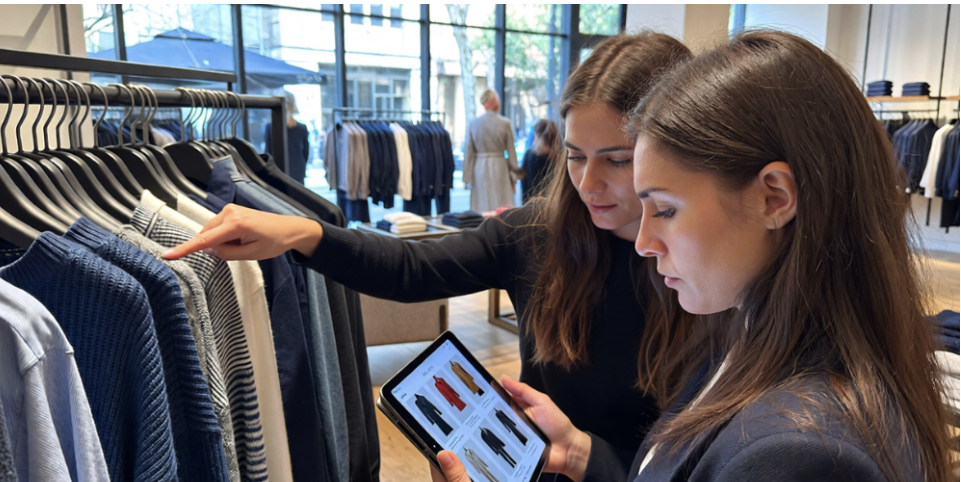
Shoppers have become noticeably more careful.
After years of trend overload and fast-fashion burnout, consumers are asking sharper questions. Instead of “Is this trending?”, the focus has shifted to:
- Will this last beyond a season?
- Does this fit my actual routine, not just a styled shoot?
- Is this brand consistent, or is this piece a one-off?
This shift is reflected in the data, too. A 2024 Business of Fashion insight report found that consumers increasingly prioritise durability, repeat wearability, and brand reliability over trend relevance.
People don’t want endless options anymore. They want better filtering.
The Issue Isn’t AI, It’s How Fashion Uses It
AI itself isn’t the problem; it’s what most brands use it for. As explored in How AI is shaping the fashion industry report by Vogue College of Fashion, brands are increasingly using AI to streamline visual production and speed up marketing, but not always to improve how clothing performs or feels in real life.
Today, many fashion sites lean on flashy visuals meant to get clicks, not to tell the whole story about a piece. But clothes don’t live on a screen; they live in closets, routines, and real life.
That’s where tools like Drezily come in. Rather than just pumping out pretty pictures, Drezily uses AI to help you find fashion that actually fits your needs. With natural language search, image-based matching, and smart filters, it lets you:
- Describe what you want in your own words and get tailored suggestions instantly
- Upload a photo you love and discover similar styles you can actually buy
- See results from multiple stores and brands at once so you can compare options easily
- Get recommendations that align with your size, budget, and vibe without endless scrolling
Instead of asking “Does this look good on screen?” Drezily helps shoppers ask “Will this work for me?” and quickly get closer to an answer that feels real.
Why Keyword-Based Shopping Falls Short
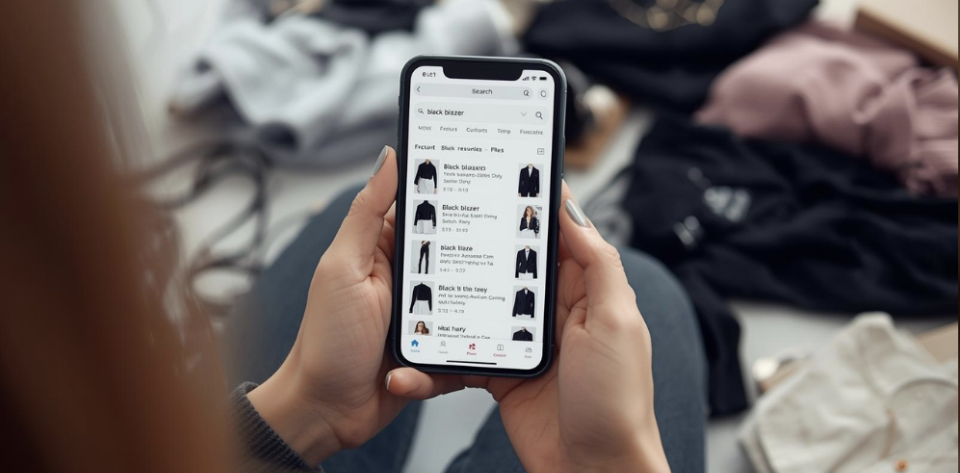
Online fashion search still depends heavily on keywords like “black trousers,” “oversized blazer,” or “linen co-ord.” But personal style doesn’t work like a search query. It’s visual, instinctive, and built gradually through daily wear.
Real shopping intent rarely sounds rigid or technical. It sounds more like:
You don’t connect with a piece because of how it’s described. You connect with it because it fits how you move, layer, and live.
This is where behaviour matters more than instructions. Drezily’s AI focuses on how people actually browse, save, and return to certain styles. Over time, it recognises patterns such as:
- Preferred silhouettes
- Repeated colour families
- Comfort-driven fabric choices
- Styling consistency across saves
Someone who repeatedly saves relaxed tailoring and breathable fabrics isn’t browsing randomly. They’re expressing a stable style identity. Recognising that identity makes fashion discovery feel intuitive.
Authenticity Shows Up as Consistency
In fashion, authenticity isn’t emotional. It’s observable.
You see it when:
- Fit remains reliable across purchases
- Pieces integrate easily into existing wardrobes
- Styles feel wearable beyond one moment or occasion
Drezily’s recommendation system naturally surfaces products that align with these long-term patterns, rather than amplifying what’s momentarily loud.
This isn’t trend prediction.
It’s pattern recognition.
Why Shoppers Are Tired of Browsing

The problem today isn’t a lack of choice, it’s excess.
Endless scrolling no longer feels inspiring. It feels exhausting. According to a 2024 Nielsen report on digital fatigue, overexposure to choice in online retail actively reduces purchase confidence.
The future of fashion discovery isn’t faster. It’s clearer.
AI-led curation is gradually shifting the experience from:
- Guessing → knowing
- Impulse → intention
- Overload → restraint
When technology helps people buy fewer things but better ones, shopping becomes enjoyable again.
Why Clarity Is the New Luxury
There’s no shortage of fashion content out there. If anything, there’s too much of it. New drops every week, perfectly styled images everywhere, and an endless scroll that starts to feel tiring instead of inspiring.
What people want now isn’t more to look at. It’s fewer decisions to regret.
Clarity means knowing a piece will actually work once it leaves the screen. It means buying something that fits your life, not just a moment online. And it means feeling sure about a choice instead of wondering if it’ll disappoint when it arrives.
That’s where tools like Drezily’s AI Assistant quietly change the experience. For shoppers looking for a more grounded way to discover fashion, it offers an alternative approach.
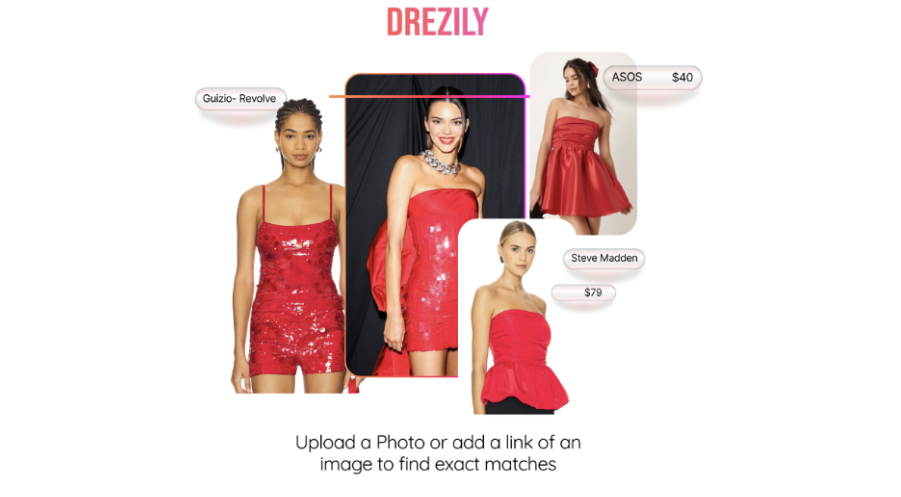
An example of how AI-assisted visual matching helps bridge the gap between aspirational fashion imagery and real, wearable options.
Instead of pushing trends or picture-perfect looks, it helps shoppers narrow in on pieces that match their style, habits, and real-life needs, making discovery feel less like guesswork and more like guidance. In a world where everything is designed to look flawless, what really stands out is honest clothes that fit well, wear well, and make sense beyond the scroll.
Fashion doesn’t need to be more perfect.
It just needs to be easier to trust.
Published by HOLR Magazine.