


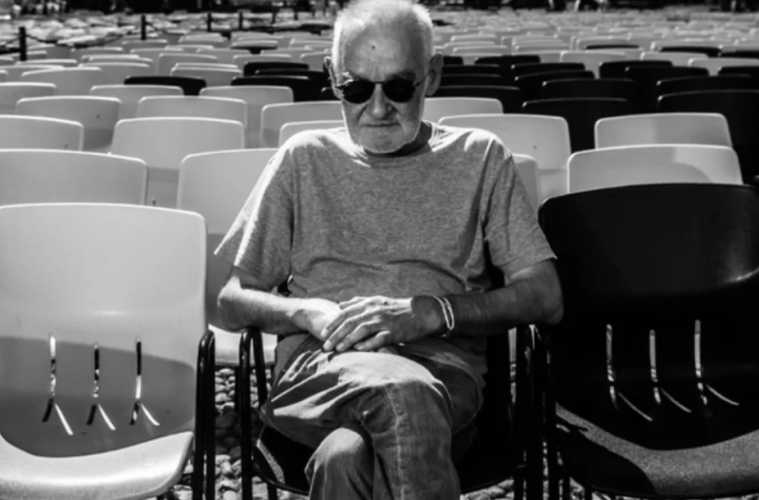
The Hungarian auteur leaves behind a monumental cinematic legacy
A Singular Voice in World Cinema
January 7, 2026: Béla Tarr, the uncompromising Hungarian filmmaker celebrated for his stark visual language and philosophical depth, has died at the age of 70. Revered by critics and filmmakers alike, Tarr reshaped the possibilities of slow cinema through films that rejected convention and demanded patience, reflection, and emotional endurance.
His work stood apart in an industry driven by speed, offering instead a meditative gaze on human despair and resilience.
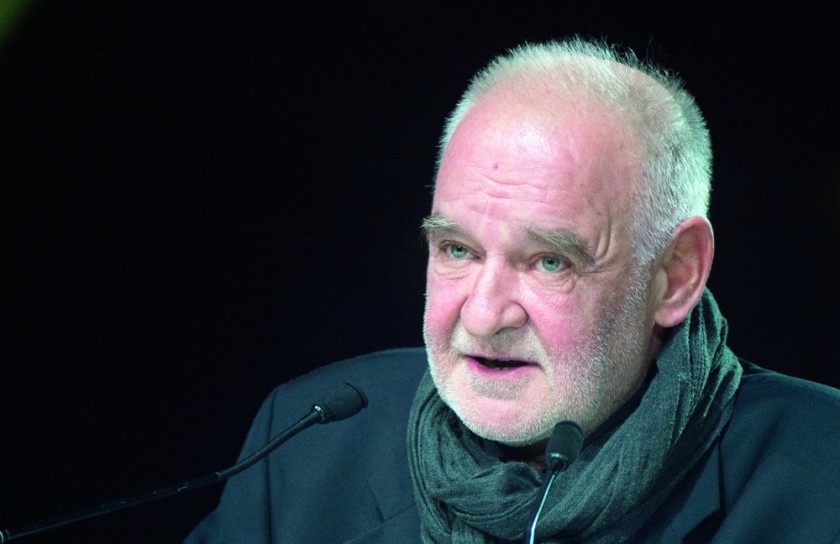
Image Credit: Getty Images
Defining Films That Challenged Audiences
Tarr rose to international prominence with Damnation, but it was Sátántangó that cemented his reputation as a master of cinematic rigor. Running over seven hours, the film became legendary for its hypnotic pacing, long takes, and bleak portrayal of societal decay.
For many viewers, his films were not merely watched—they were endured, contemplated, and revisited.

Image Credit: Instagram
The Art of Time and Stillness
Known for his use of extended tracking shots and minimal dialogue, Tarr treated time as a central character. His camera lingered where others would cut away, forcing audiences to confront moments often ignored in traditional storytelling.
This approach influenced a generation of filmmakers who saw in Tarr’s work a bold refusal to compromise artistic integrity.

Image Credit: Getty Images
Retirement and Lasting Influence
After completing The Turin Horse, Tarr announced his retirement from filmmaking, stating he had said everything he needed to say through cinema. He later devoted his time to teaching and mentoring young filmmakers, continuing to shape the art form beyond his own filmography.
Even in absence, his presence loomed large over global arthouse cinema.
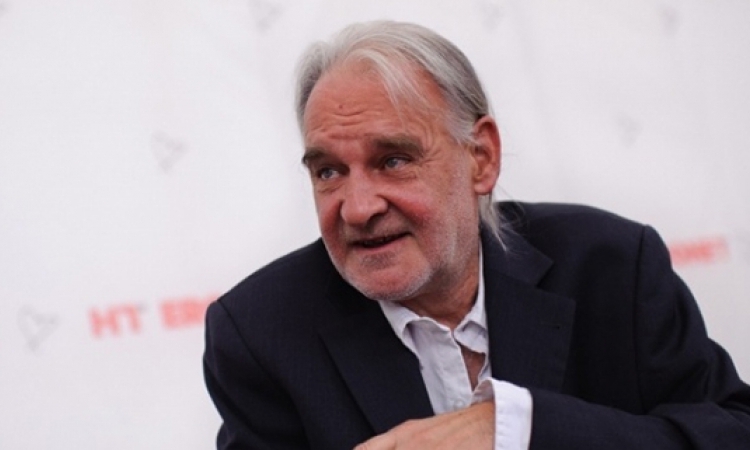
Image Credit: Getty Images
Reaction From the Film World
Tributes poured in from directors, critics, and institutions across Europe and beyond, many crediting Tarr with expanding the emotional and philosophical range of film. His death marks the end of an era for a certain kind of uncompromising, deeply personal cinema.
Yet his films continue to challenge, frustrate, and inspire.
Final Thoughts
Béla Tarr did not make films for mass appeal—he made them for truth, atmosphere, and existential weight. His passing closes a remarkable chapter in world cinema, but his work remains timeless, waiting patiently for viewers willing to surrender to its rhythm.
In a fast-moving world, Tarr taught audiences the power of stillness.
Published by HOLR Magazine