


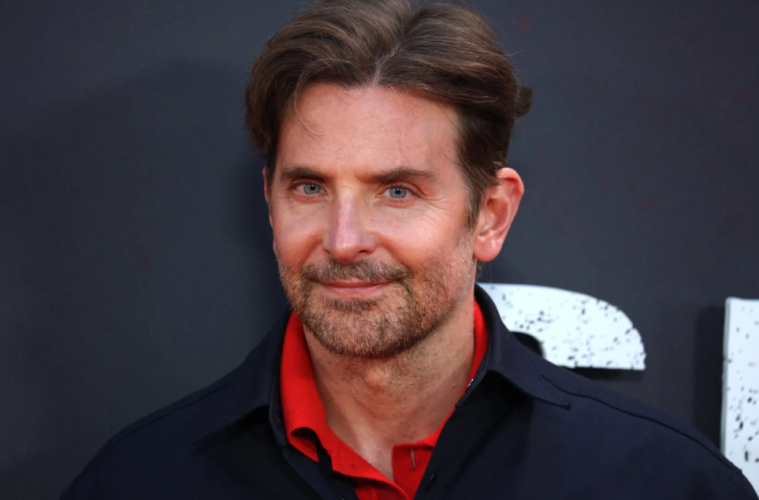
The actor addresses speculation as fans revisit his evolution
A Direct Response to Longstanding Speculation
January 8, 2026: Bradley Cooper has said he’s never had cosmetic work done, pushing back against years of speculation about his appearance. The comment immediately reignited discussion among fans who have followed his career from early roles to awards-season mainstay.
Cooper attributed changes in his look to time, lifestyle, and the natural effects of aging.
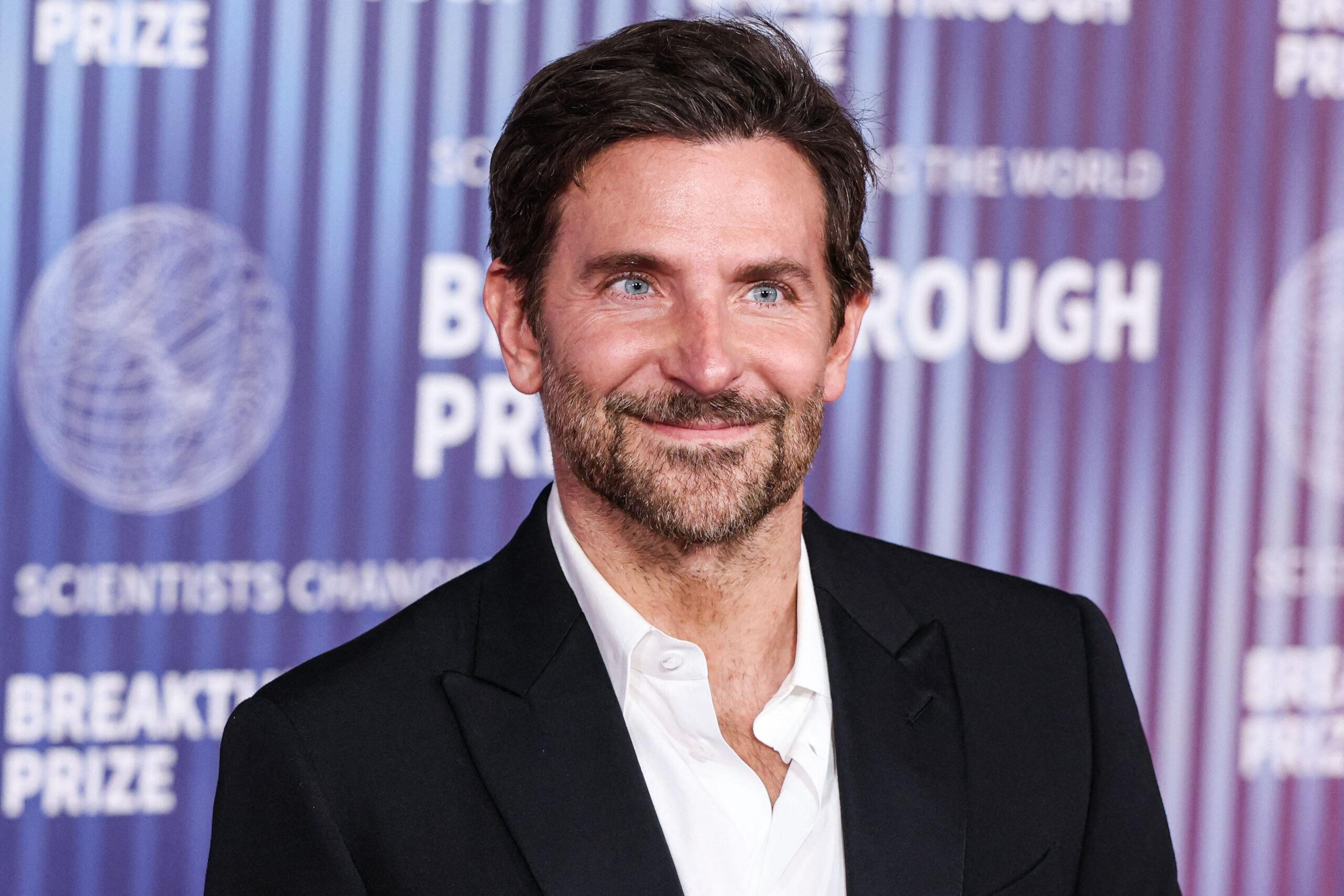
Image Credit: MEGA
Fame, Faces, and Public Assumptions
Actors who remain in the spotlight for decades often find their faces analyzed as closely as their performances. In Cooper’s case, small shifts in appearance have frequently been framed as evidence of cosmetic intervention, despite the absence of any confirmation.
The assumption, he suggested, says more about Hollywood culture than about him.
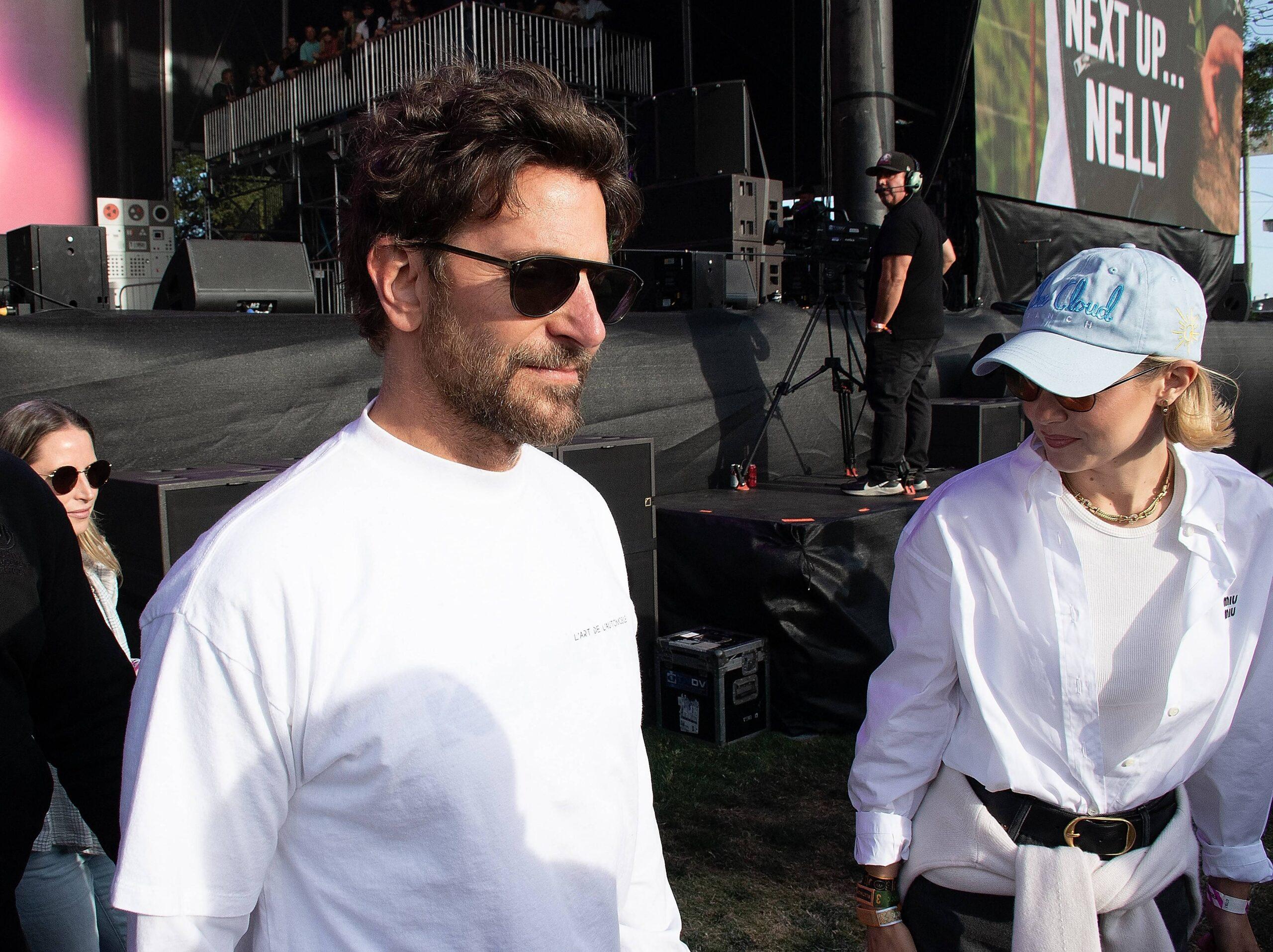
Image Credit: MEGA
Looking Back Through the Years
A review of Cooper’s career shows gradual, incremental changes rather than dramatic transformations. Variations in hair, facial hair, weight, and the physical demands of different roles have all influenced how he’s appeared on screen and in public.
There are no obvious turning points—just time doing what it does.

Image Credit: MEGA
Why These Conversations Persist
In an industry fixated on youth, aging “too well” can invite as much scrutiny as aging visibly. Social media comparisons and side-by-side photos often strip away context, turning normal changes into suspicious ones.
Speculation thrives where certainty is absent.

Image Credit: MEGA
Aging in the Public Eye
Cooper’s remarks arrive amid broader conversations about authenticity and appearance in Hollywood. As some stars openly discuss cosmetic procedures and others deny them, the expectation to explain one’s face has become strangely routine.
Privacy and curiosity continue to clash.
Final Thoughts
Bradley Cooper’s insistence that he’s never had work done reframes a familiar celebrity debate. Whether audiences accept it or not, his appearance appears to reflect gradual change rather than intervention.
Sometimes, the most controversial answer is the simplest one.
Published by HOLR Magazine