


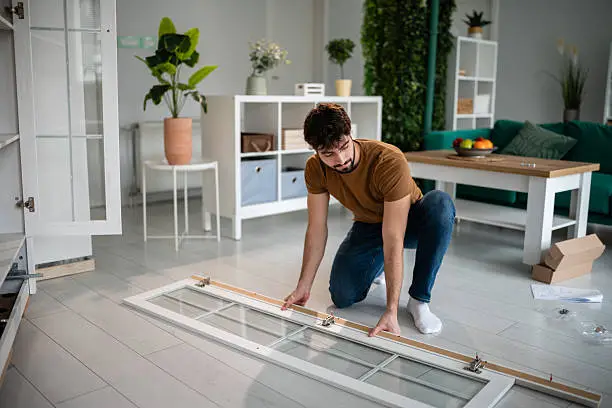
Taking care of a home often requires a bit of manual labor and the right mindset to succeed. Many people feel intimidated by repairs, but most tasks are simple with the correct equipment in hand. You can save a lot of money by doing things yourself. Learning these skills helps you stay independent as a homeowner.
Developing these skills allows you to maintain your property value without hiring expensive contractors for every minor leak or loose board. You can start small and build your confidence through practice and patience. Small wins lead to bigger projects later on. Working on your own house is very rewarding.
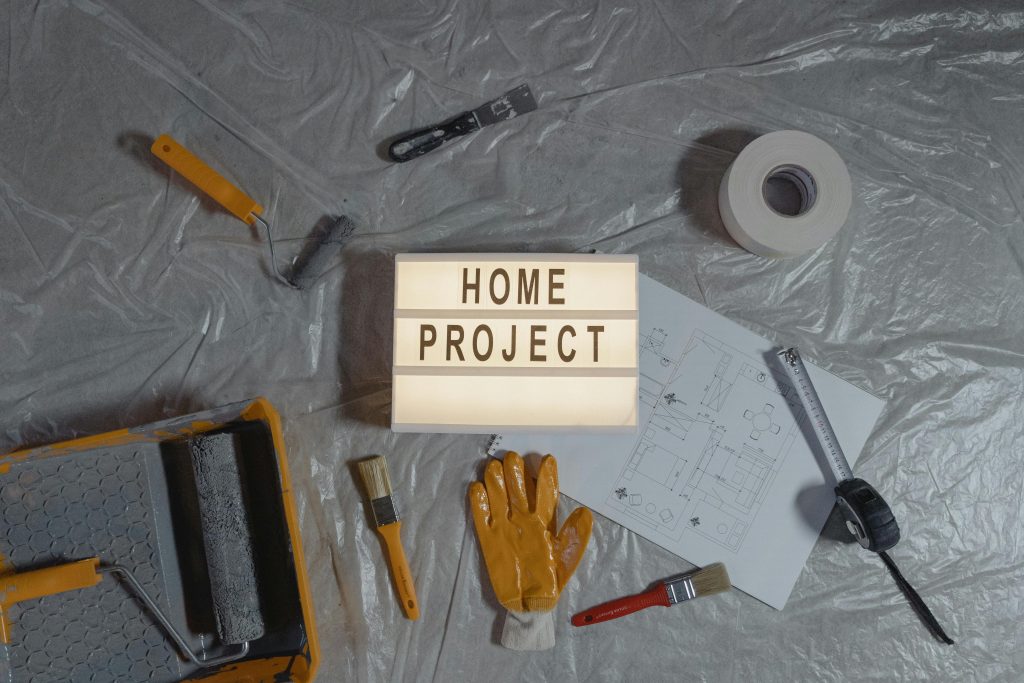
Starting Your Tool Collection
Every workshop begins with the basics of fastening and assembly to keep things together. One way to improve your build is by choosing high-quality deck construction screws, which help prevent wood rot and keep your outdoor structures safe for many years. You should always buy the best fasteners your budget allows for these long-term installations. Investing in quality early pays off in the future.
A reliable claw hammer serves as the backbone for most construction tasks in the garage. It drives nails into wood with ease, and the curved claw helps pull out any mistakes you make. Look for one with a comfortable grip to reduce fatigue during long jobs. Choosing a hammer with the right weight makes a huge difference in your swing.
Measuring And Leveling Essentials
Accuracy remains the most critical part of any building project you undertake in your spare time. A metal tape measure allows you to check distances without help from another person on the other end. This tool is the first thing you should grab for any job. Measuring twice helps you cut once and saves expensive materials from being wasted.
Pick a tape measure that spans at least 25 feet for maximum versatility on bigger projects. Shorter tapes often fail when you try to measure a large room or a long exterior wall. A wider blade stays stiff when extended over long distances without snapping. High-visibility markings make reading numbers easy in low light.
The Power Of Modern Cordless Tools
Power tools have changed how people handle renovations at home over the last few years. One recent article noted that the power tool market is growing fast as cordless drills, electric saws, and powered screwdrivers become more popular with homeowners. These advancements allow beginners to tackle bigger jobs without needing professional help. DIY fans now have access to professional-grade equipment for their own projects.
Battery technology now offers enough runtime to finish most Saturday afternoon tasks in one go without stopping. You can swap batteries between different machines from the same brand to save a significant amount of money, which reduces the number of chargers you need to store. Modern lithium batteries hold a charge for months when they sit on a shelf.
Cutting Materials With Precision
Hand saws still have a place in the modern toolkit for small jobs around the yard. They work well for quick trims where setting up a large power saw takes too much time or space. A sharp hand saw makes a clean cut on softwood with minimal effort. You should keep the blade clean to prevent binding while you cut.
Utility knives help open boxes or trim wallpaper around corners during a remodel. Keeping a sharp blade prevents accidents caused by forcing a dull edge through tough material like carpet or thick cardboard. Always retract the blade when you are not using it to keep your fingers safe. Blades are cheap and easy to replace when they get dull.
Having a variety of blades helps you handle different materials without damaging your tools:
- Fine-tooth handsaw for wood trim
- Hacksaw for cutting metal pipes
- Utility knife with replaceable blades
- Miter box for clean angled cuts
Gripping And Turning Fasteners
Pliers come in many shapes and sizes for different gripping needs around the house. Needle-nose pliers help reach into tight spots where your fingers cannot fit comfortably or safely. They are great for electrical work or jewelry repair projects. Every home needs at least one pair of long-nose pliers in the drawer.
Adjustable wrenches are useful when you deal with various bolt sizes on plumbing fixtures or bicycles. Instead of buying a full set of heavy metal wrenches, one or two adjustable versions suffice for most repairs. Make sure the jaws are tight before you turn to avoid rounding the bolt head. They save space in your portable toolbox.
Locking pliers provide a firm grip on stubborn or stripped screws that regular tools cannot easily move. These tools act like a temporary vise and allow you to apply significant pressure without the tool slipping off.
Safety Gear For Every Project
Protecting yourself is the most critical part of any DIY job you start in your home. Eye protection prevents dust and flying debris from causing permanent damage during heavy sanding or drilling. You only get one pair of eyes, so keep them covered. Safety glasses should fit snugly against your face to block all particles.
Wear thick gloves to prevent painful splinters when handling rough timber or sharp metal sheets. Sturdy footwear keeps your feet safe if a heavy tool drops off the workbench during a moment of distraction. Safety should always come before speed during a renovation. Never skip these steps to save time.
Use these items to stay safe while you work in your shop or garage:
- Clear safety goggles for your eyes
- Heavy-duty work gloves for your hands
- Dust masks for the lungs during sanding
- Earplugs for loud power tools
Owning a house requires constant attention and a willingness to learn new things every single day. With the right tools and a bit of practice, you can handle most maintenance tasks yourself. Success comes from taking your time and following the instructions carefully. You will save a lot of money over the years.
Building your collection takes time, but the rewards of a well-maintained home are worth the effort in the end. You will feel proud of the work you do with your own two hands. Enjoy the process of creating something new and useful. Your home is your best investment for the future.
Published by HOLR Magazine.