


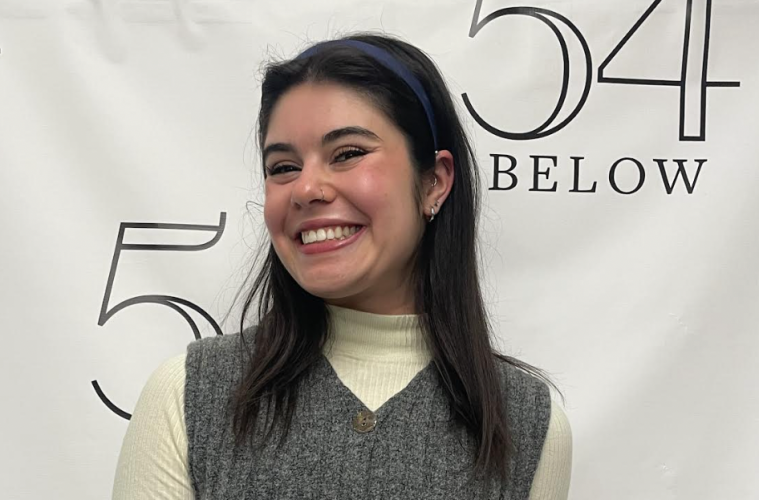
Lauren Nathens is a Toronto-based musical theatre performer passionate about bringing new stories to life on stage.
Having worked on a range of original productions and collaborative workshops, Lauren Nathens has built a career rooted in creativity, collaboration, and the evolving process of developing new work. From her early beginnings in youth theatre programs to participating in readings at Manhattan Theatre Club in New York City, Nathens continues to champion original musical theatre and the voices behind it.
Today, HOLR sits down with Nathens to discuss the power of original theatre, the importance of Canadian storytelling, and how she hopes to continue expanding her career internationally. Keep reading to learn more about the excitement of originating roles and the deeply human experiences that live theatre can offer audiences.
Getting her start:
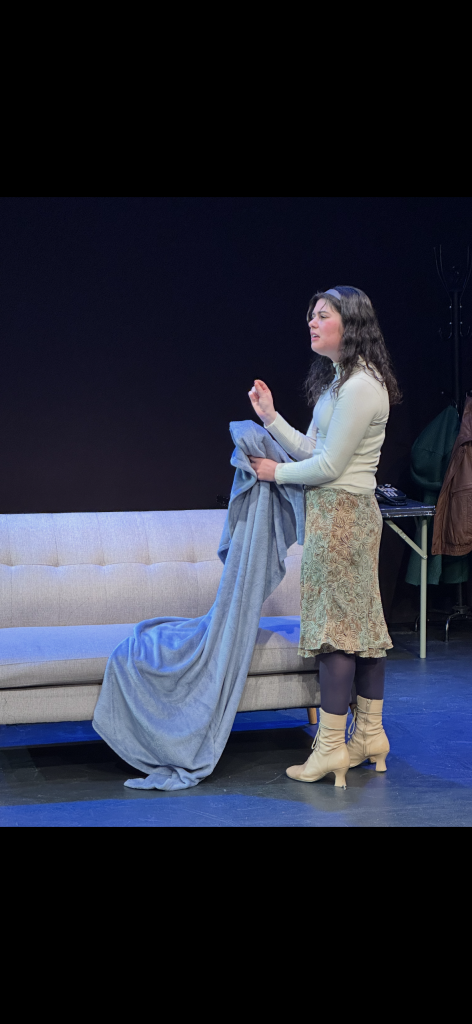
Lauren was first drawn to musical theatre when her older sister did a production of Hairspray in elementary school. Even though it was done by 7-10-year-olds and she was still before the age cutoff, she would beg her mom to let her read lines with her and help her rehearse. Nathens then joined the musical after-school program and enrolled in the Toronto Children’s Choir, where she fondly remembers singing “Popular” from Wicked as her audition piece.
Soon after she started with the Choir, she realized that maybe choral singing wasn’t quite for her. She eventually enrolled in another after-school program for a few years until she decided to audition for the Troupe shows at Bravo Academy in Toronto. Suddenly, she was revitalized with a love of the art, as she continued to advance there until she graduated from high school. She recalls realizing musical theatre was something she truly wanted to pursue when she found herself leaving home an hour early just to take the TTC to rehearsals–despite the demanding schedule rivalling that of competitive sports.
When it comes to getting her start in the industry, she started to realize that one opportunity leads to the next. After graduating from her musical theatre program at university, Nathens was asked to join readings and collaborations with people she went to school with, which ultimately led to meeting even more people who saw her work. Great opportunities, such as participating in a reading at Manhattan Theatre Club in New York City, came to her through an eagerness to try on new work and ultimately connected her with other artists who are looking to create something new and invigorating.
How performing in original Canadian productions shaped Nathens as an artist:
In Nathens’ experience, Canadian productions tend to have a simpler theme that, when actualized on stage, is far more touching because of its mundaneness. Doing Canadian work has shaped her because Canada isn’t known for any specific type of theatrical art the way the UK and the US are, so finding the earnestness in telling Canadian stories has pushed her as an actor. Retrospectively, doing works that have been written, devised, and performed by Canadians overall makes theatre more accessible and representative.
What Nathens has learned about the creative process from working on original work:
According to Nathens, with an original piece of work, you have to be comfortable knowing that it will be ever-changing. No piece of work, whether that be a song, film, television, or theatre, remains unchanged throughout its lifespan. Even when doing a show with official previews, the show is still being workshopped and changed during daily rehearsals before it is frozen on opening day. An original piece of work allows you to fully release and not focus on what an actor who has previously played the role has done before.
Sometimes, when working on a more well-known show, there is a need to actively resist prior interpretations of how lines have been delivered and instead find a way to make the role entirely unique to her own interpretation and embodiment of the character. With an original piece of work and an original character, there is so much more room to explore and discover the aspects of yourself hidden in the character, and it can truly make it unique to you. She loves to originate roles because no previous actor is dictating what can and cannot be done in the exploration of the part.
As Nathens further details, working on an original piece of work also requires a ton of collaborative skills. If the show is being presented at the end of the week and the composer is still working on your song, when you get it, you’ll have to grind it out until it becomes acceptable to present in front of an audience. In these environments, everyone needs to help each other to ensure the most polished finished product possible.
What excites Nathens most about the current landscape of original Canadian musicals:
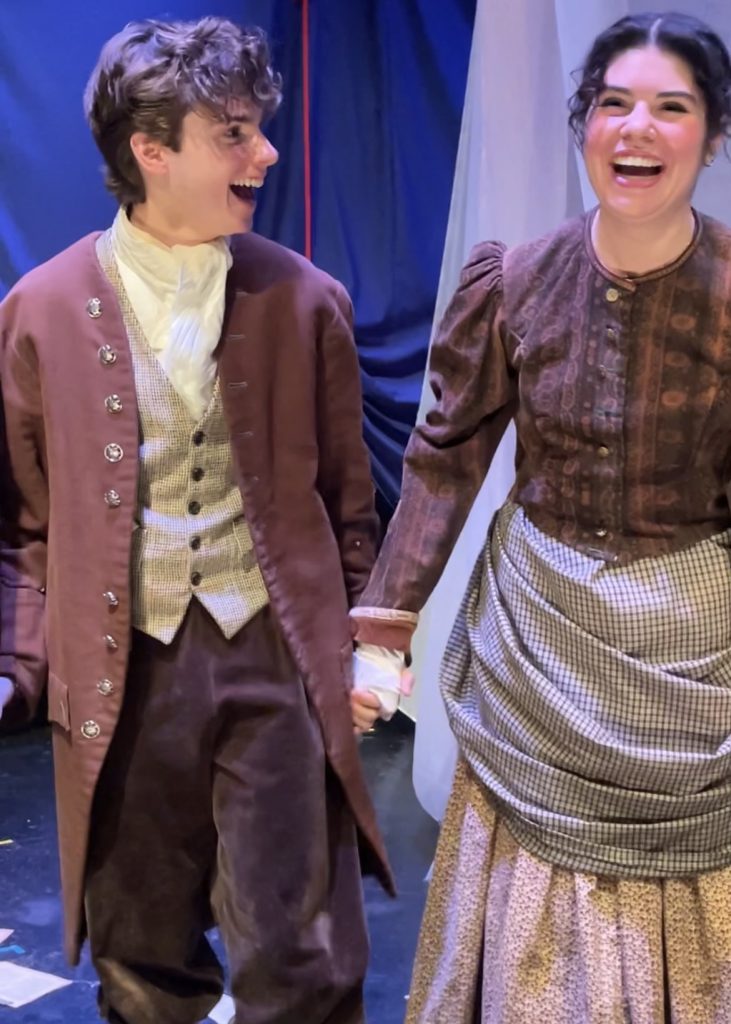
Nathens is excited about how Canadian musicals are being featured more and more in the spotlight. When Canadian musical The Drowsy Chaperone first premiered in Toronto, the theatre scene knew it was a hit, and lo and behold, 7 years later, it premiered on Broadway. Now it’s one of the most produced shows in the United States. That was just the start! Canadian musicals are witty and full of heart, and Nathens thinks it’s amazing that they are getting more recognition on an international scale.
She first saw Come From Away at the Royal Alex in 2016 and remembered thinking it was incredible–now it is being done left, right and centre all over the world after receiving critical acclaim on Broadway. Canadian musicals are being recognized more and more. Though musical theatre was formerly an art form that remained mostly in the US and UK, Canadian writers and composers continue to let audiences know that Canada is not a country that should be looked over when it comes to our musical theatre scene!
What are some of the biggest challenges—and rewards—that come with helping develop a show from the page to the stage, according to Nathens:
Nathens can have a difficult time learning new music without hearing the complete piece in its final, polished form. As a result, when she learns music, she likes to listen to original cast recordings, if they exist, and try to work out her harmony parts and vocal lines with the help of the pre-existing track.
When she’s learning music she’s never heard before, she has to really fight her way into finding her proper lines. Even though it can be difficult, it has never been an impossible obstacle. All this to say, singing through a polished ensemble song is one of the most rewarding things Nathens has ever experienced as a performer, especially when the song has never been done before. The music director is always so excited to hear something finalized and polished, and the actors are so fulfilled to know that they have a show in the making.
As Nathens takes this next step in her career and pursues opportunities in the United States, what stories or experiences does she hope to continue sharing through her work:
The older she gets, the more important it is for her to share stories that she feels deeply passionate about. She’s been listening to Hair a lot, which, fun fact, was written by a Canadian! There’s one song in it called “Easy to Be Hard,” and even though the song was written back in 1967, it holds just as much significance today as it did when it was originally written. In fact, it might hold even more significance due to how much the world has changed.
Recontextualized, the song is more potent than it ever has been. It’s a song that really makes you feel something, and she loves doing things that make her feel something. When Nathens was in University, she did a performance of the play The Curious Incident of the Dog in the Nighttime, and truly felt like it was the first time something in her brain clicked. Suddenly, she wasn’t just playing a character, Judy–she was Judy. She had never lived her life nor experienced anything near what she had, but she felt her inside of herself in a really interesting and deep-rooted way. As Nathens puts it, there is no feeling more powerful than moving yourself as much as you can move an audience.
As she continues her work, she wants to make sure there is always an audience member that her characters are representing. Everyone deserves to feel seen and accounted for, and live theatre is such a powerful tool to ensure that.
What are the biggest stories trending online today? Read the latest here
Published by HOLR Magazine