


Why Simplicity Is Becoming the Biggest Trend in Skincare
July 17,2026: Walk into any beauty store or scroll through social media, and you’ll quickly find yourself surrounded by countless skincare products promising flawless, glowing skin. From serums and facial mists to acids, oils, masks, and overnight treatments, the sheer number of options can feel overwhelming. It’s easy to believe that achieving healthy skin requires a complicated routine with ten or more carefully layered products.
The reality is often much simpler.
Dermatologists and skincare professionals increasingly emphasize that healthy skin isn’t built by using the most products—it’s built by using the right products consistently. In fact, overloading your skin with active ingredients can sometimes do more harm than good, leading to irritation, dryness, or a weakened skin barrier.
This growing awareness has helped fuel one of beauty’s biggest movements: skinimalism. Instead of chasing every viral skincare trend, more people are embracing routines built around a few carefully selected essentials that genuinely support their skin’s needs.
A simple skincare routine is also easier to maintain. Rather than spending thirty minutes applying multiple products every morning and night, you can create a routine that fits naturally into your daily life. The result is not only healthier skin but also a healthier relationship with beauty—one that prioritizes consistency over perfection.
HOLR breaks down how to create a skincare routine that works with your lifestyle, supports your skin’s natural functions, and delivers long-term results without unnecessary complexity.

Image Credit: neolayrpro.com
Healthy Skin Starts With Understanding Your Skin Type
Before purchasing any skincare product, it’s important to understand what your skin actually needs.
Many people buy products simply because they’re trending online or recommended by influencers, only to discover they don’t suit their skin. That’s because no single skincare routine works for everyone.
Generally, skin falls into one or more of five categories: normal, dry, oily, combination, or sensitive. Each type has different characteristics and requires a slightly different approach.
Dry skin often feels tight or flaky because it lacks sufficient moisture. Oily skin tends to produce excess sebum, which may contribute to shine or clogged pores. Combination skin experiences both dryness and oiliness in different areas of the face, while sensitive skin reacts more easily to fragrances, harsh ingredients, or environmental changes.
Understanding your skin type allows you to choose products that solve problems rather than create new ones.
It’s also worth remembering that your skin isn’t static. Hormonal changes, stress, climate, aging, medications, and seasonal weather can all influence how your skin behaves. A routine that worked perfectly during winter may need adjustments in the summer months.
Listening to your skin is often more valuable than following every new beauty trend.
The Three Essentials Every Effective Skincare Routine Needs
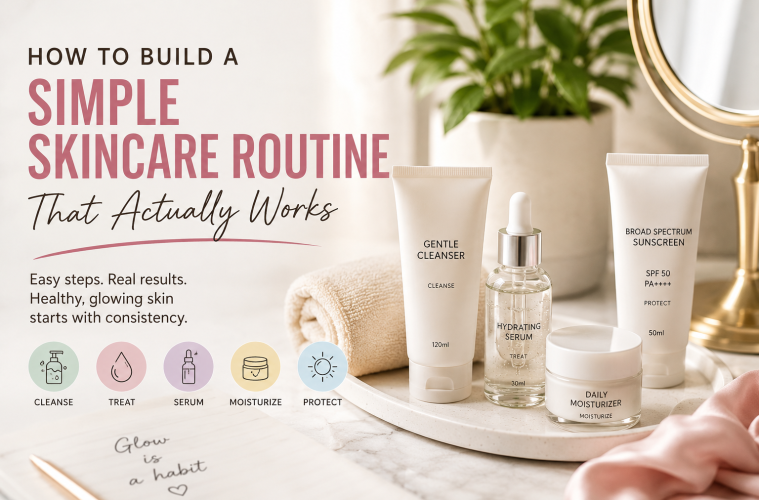
Although skincare brands often market dozens of different products, most dermatologists agree that an effective routine begins with three essential steps: cleansing, moisturizing, and sun protection.
A gentle cleanser removes dirt, oil, sunscreen, and makeup without stripping away your skin’s natural protective barrier. Choosing an overly harsh cleanser may leave skin feeling squeaky clean, but it can also contribute to dryness and irritation over time.
Moisturizer is equally important, even for people with oily skin. Well-formulated moisturizers help maintain hydration, support the skin barrier, and reduce water loss throughout the day. Many people mistakenly skip moisturizer because they fear it will make their skin oilier, when in reality, dehydrated skin may actually produce more oil in response.
Perhaps the most essential product of all is sunscreen.
Daily sun protection is one of the most effective ways to help reduce the risk of premature skin aging caused by UV exposure. Consistent sunscreen use can also help protect against sunburn and lower the risk of skin damage over time. Even on cloudy days, ultraviolet rays can reach the skin, making sunscreen an important part of a year-round skincare routine.
These three products form the foundation of healthy skin. Everything else is optional and should be added based on your individual concerns rather than marketing trends.

Image Credit: neolayrpro.com
Why More Products Don’t Always Mean Better Results
One of the biggest misconceptions in skincare is that using more products automatically leads to better skin.
In reality, layering multiple active ingredients without understanding how they interact can overwhelm your skin. Combining exfoliating acids, retinoids, vitamin C, and other potent ingredients all at once may increase the likelihood of irritation, redness, or sensitivity—especially for beginners.
Healthy skin thrives on balance.
Introducing new products gradually gives your skin time to adapt while making it easier to identify what’s working and what isn’t. If irritation develops after adding several new products simultaneously, it becomes almost impossible to determine which one is responsible.
This is why skincare professionals often recommend making one change at a time and allowing several weeks to evaluate the results. Skin renewal takes time, and most products require consistent use before noticeable improvements appear.
Patience is one of the most underrated aspects of skincare.
Rather than expecting overnight transformation, focus on building habits that support your skin over months and years.
Healthy Skin Is Influenced by More Than Skincare Products
Even the most carefully designed skincare routine has limitations if daily lifestyle habits aren’t supporting your skin from within.
Hydration, balanced nutrition, quality sleep, regular exercise, and stress management all play an important role in overall skin health. While no single food or supplement can guarantee clear skin, eating a balanced diet rich in fruits, vegetables, healthy fats, and lean proteins provides nutrients that support your body’s normal functions, including the skin.
Sleep also deserves more attention. During the night, your body carries out important repair processes that contribute to overall skin health. Consistently poor sleep may leave skin looking tired or dull while affecting your general well-being.
Stress can also influence the skin in different ways. Many people notice that periods of increased stress coincide with breakouts or heightened skin sensitivity. Finding healthy ways to manage stress—whether through exercise, mindfulness, hobbies, or simply taking regular breaks—can benefit both your mental health and your skin.
Ultimately, skincare should be viewed as part of a broader wellness routine rather than a standalone solution.

Image Credit: neolayrpro.com
Morning and Night Skincare Routines Serve Different Purposes
One of the most common questions people ask is whether they really need separate morning and evening skincare routines. While they don’t have to be dramatically different, your skin has different needs throughout the day and overnight.
A morning routine should focus on protection. After cleansing your face, applying a moisturizer helps maintain hydration, while sunscreen protects your skin from ultraviolet (UV) rays and other environmental stressors. If your skin tolerates it well, antioxidant ingredients such as vitamin C may also help defend against free radicals generated by pollution and sun exposure.
Your evening routine, on the other hand, is all about recovery. Throughout the day, your skin collects dirt, excess oil, sunscreen, makeup, and environmental pollutants. Cleansing before bed helps remove these impurities, allowing the skin to recover overnight.
Nighttime is also when many people choose to use treatment products such as retinoids or gentle exfoliating acids. These ingredients can support skin renewal, but they should always be introduced gradually and according to product instructions to minimize the risk of irritation.
It’s important to remember that skincare is not about applying as many products as possible. A thoughtful routine with a few effective products is often more beneficial than an elaborate routine that overwhelms your skin.
Do You Really Need Serums and Active Ingredients?
Once you’ve established the basics of cleansing, moisturizing, and daily sun protection, you may decide to introduce additional products to address specific skin concerns.
Serums have become one of the most popular skincare categories because they typically contain concentrated ingredients designed to target concerns such as uneven skin tone, dryness, fine lines, or dullness. However, they’re not essential for everyone.
The best serum is the one that addresses your individual needs rather than the one currently trending on social media.
For example, someone with dry skin may benefit from ingredients that attract and retain moisture, while someone concerned about uneven skin tone may prefer a serum designed to brighten the complexion. Those experiencing signs of aging may explore products formulated to support skin renewal, but it’s always wise to introduce active ingredients slowly and consult a dermatologist if you’re unsure where to begin.
Remember that adding multiple active ingredients simultaneously isn’t necessarily better. Healthy skin responds well to consistency, not constant experimentation.
The Most Common Skincare Mistakes to Avoid
One of the biggest mistakes people make is changing their skincare routine too frequently. Many products require several weeks of consistent use before visible improvements appear, yet it’s common for people to abandon them after only a few days because they expect immediate results.
Another common mistake is over-exfoliating. While exfoliation can help remove dead skin cells and improve texture, doing it too often may weaken the skin barrier, leaving the skin more vulnerable to irritation and sensitivity.
Sleeping with makeup on is another habit worth avoiding. Makeup, sunscreen, and environmental debris can build up throughout the day, making proper cleansing an important part of maintaining healthy skin.
Many people also overlook one of the simplest yet most effective habits: applying sunscreen every day. UV exposure occurs year-round, even on cloudy days, making sun protection an essential part of any skincare routine rather than something reserved only for sunny weather.
Finally, avoid comparing your skin to filtered images or edited content online. Healthy skin naturally has texture, pores, and occasional imperfections. Chasing unrealistic beauty standards often leads to unnecessary product purchases and disappointment.

Image Credit: neolayrpro.com
Consistency Will Always Outperform Trends
The beauty industry constantly introduces new ingredients, viral products, and skincare routines that promise dramatic transformations. While innovation can certainly be exciting, healthy skin rarely comes from constantly changing products.
Instead, it comes from consistency.
Following the same gentle routine every day gives your skin the stability it needs to maintain a healthy barrier and respond positively to skincare products over time.
This doesn’t mean you should never try something new. It simply means introducing products thoughtfully instead of rebuilding your entire routine every time a new trend appears online.
Building healthy skin is much like building healthy habits. Small, consistent actions repeated over months usually deliver better results than dramatic changes that are difficult to maintain.
Patience, consistency, and realistic expectations remain some of the most valuable skincare “products” available.
Good Skincare Doesn’t Have to Be Expensive
One of the biggest myths in the beauty industry is that effective skincare requires luxury products.
In reality, many affordable cleansers, moisturizers, and sunscreens contain well-researched ingredients that perform just as effectively as higher-priced alternatives. Price often reflects packaging, branding, or added fragrances rather than superior performance.
Instead of purchasing an entire skincare collection at once, focus on building your routine gradually.
Invest in products you’ll actually use every day.
Replace items only when necessary.
Give your skin time to respond before introducing something new.
A simple, affordable routine followed consistently will almost always outperform an expensive collection of products that sits unused on your bathroom shelf.
Healthy skin isn’t about how much you spend—it’s about understanding what your skin needs and giving it consistent care.
Final Thoughts
Building a skincare routine that actually works isn’t about following every beauty trend or filling your bathroom with countless products. It’s about understanding your skin, choosing a few well-suited essentials, and staying consistent over time.
Healthy skin is influenced by much more than what you apply to your face. Sleep, hydration, nutrition, stress management, and daily sun protection all play an important role in supporting your skin’s natural health. When these habits work together with a simple, well-balanced skincare routine, the results are often more sustainable than any quick fix.
Remember that skincare is a journey, not a race. Your skin will change with age, seasons, and lifestyle, and your routine can evolve alongside it. Rather than striving for perfection, focus on building habits that help your skin feel healthy, comfortable, and cared for every day.
HOLR believes the best skincare routine is one you can realistically maintain. Simplicity, consistency, and patience remain the most reliable foundations for healthy, glowing skin.
Frequently Asked Questions
What is the most important step in a skincare routine?
Daily sunscreen is widely considered one of the most important skincare habits because it helps protect the skin from UV damage and premature signs of aging.
How many skincare products do I actually need?
For most people, a gentle cleanser, moisturizer, and sunscreen provide a strong foundation. Additional products can be introduced based on individual skin concerns.
What are the biggest stories trending online today? Read the latest here
Published by HOLR Magazine