


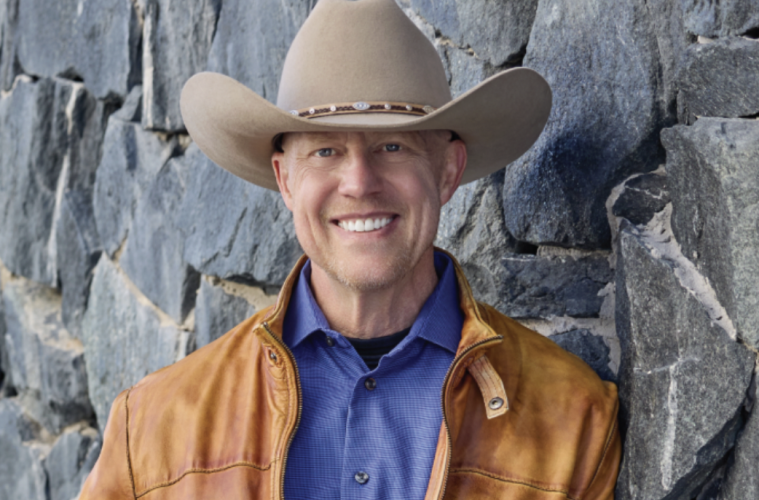
Could emotional awareness be the key to better leadership? According to executive coach and author Randy Lyman, the answer is yes.
Holr
22-June-26: In a workplace culture increasingly focused on wellness, burnout prevention, and emotional intelligence, Randy Lyman’s new book The Third Element offers a unique perspective on modern leadership. Through his findings, the executive coach and entrepreneur explores how emotional awareness can shape stronger decision-making, healthier workplace cultures, and more impactful leadership.
We had the opportunity to chat with Lyman to learn more about the inspiration behind the book and why emotional awareness is becoming an essential leadership skill.
Talk to us about how you got your start in the industry.
My start in this industry really started 36 years ago–I was a left-brained scientist and business owner who shut off my emotions in order to be successful. I then met a woman in 1989, named Maria, with whom I spent 3 years with. She introduced me to the unseen part of the human experience–how emotions and spirituality are bigger than our physical bodies and our minds, which changed my mind completely.
I am still a logical, scientific kind of guy, but after focusing so much on the emotional side of the human experience, I learned that we all have the ability to become more emotionally aware and clear out our own emotional trauma. I sold all my businesses 11 years ago and had wanted to write a book for many years. Five years ago, I decided I was finally going to write it, and once I did, I realized that after talking to people about my experiences, I really enjoyed helping leaders become more emotionally clear. I also wanted them to feel more connected in how they lead, so over the past year and a half, I’ve been figuring out how to connect with the world through coaching, growth, and mentorship.
You describe emotional awareness as the “missing link” in leadership. What was the turning point in your own career that made you realize logic and execution alone weren’t enough?
In 1991, I had a situation where 6 people in my life were extremely incompetent–people who couldn’t show up on time, couldn’t do relatively simple booking, etc. Maria, my mentor, told me everything in life was a mirror, so I looked at my thoughts and actions and did everything I could to be competent for a few months; however, I couldn’t breakthrough or improve the results.
I went to a business communication retreat along the way, and on the third day of that retreat, I had an emotional breakthrough about something a family member had said to me 12 years earlier–how they wished I were more like my friend, John. What they meant was they wanted to connect with me, but I was different than them, and they couldn’t connect with me. They were trying to tell me they loved me, but all I heard was that they do not approve of me. I thought if I were competent, they would approve of me, so I became an overachiever to accomplish more to get my family’s love and approval. It got to a point where I really needed to let this internal pain go about what was said–the universe was bringing me this mirror of competence issues in relation to my issue of trying to be competent. I felt the tears from years before and let it all out, going back to work 4 days later. All the people from my life who were incompetent magically became competent or left my life.
I always look at cause and effect–the cause was my emotional release, and the effect was the solution to a challenge I couldn’t fix with my mind or actions. There is more to the law of attraction than thoughts or actions, which was a huge breaking point for me to understand the connection between unhealed emotional trauma and how we are to heal through old pain in real time. Once I made that connection and started looking at the underlying emotion to heal, I had control of my life.

What are some signs that a leader is reacting emotionally without realizing it?
For me, it was blame and frustration that people weren’t listening to me–in addition to feeling alone and not connecting with people around me. I went to blame rather than looking at myself. When I started to learn that I was in charge of my own reality, I realized that blame is something I fell back on when I felt helpless. That was an indicator of how I could improve.
I did all my work outside of work, but in order to become better at work, I had to become more emotionally clear in myself within how I experienced the world.
Was I reacting to the world and feeling my old pain, or responding by calmly thinking it through and reacting?
You say emotional awareness can help people make better decisions. Can you give an example of what that looks like?
Emotions get in the way of clear decisions–emotional awareness helps us make better decisions. I took time to figure out what I was feeling emotionally and what I felt through intuition. They feel similar, but I made decisions based on my emotions–before I became aware of the difference between emotions and intuition. In my experience, emotions have their own agenda, just like our minds have their own agendas. However, once we learn to get in touch with our intuition, it cannot try to influence us or persuade us.
I always try to write down and acknowledge what I’m feeling so that once the emotion has my attention, it quiets down and I can make my decision with my intuition or thinking mind. It took me a long time to get to this point as my ego wanted to interpret my emotions as logic and reason–but it takes a while to navigate this.
What’s one habit someone can start today to become more emotionally aware at work?
I was always in a hurry and didn’t feel as though I had time to slow down or look at things. I didn’t have time to become aware of my emotions, so I learned to slow down for 5-10 minutes in order to become more clear. My thoughts and answers became more effective as a result.
Investing in the time to slow down took me to a place where I was more effective. We are always pushed to be doing more, but I found that being more effective was more important than using every minute of my time to try to be effective. Slowing down and becoming more aware of our emotions is really powerful.
Why do you think conversations around mental health and workplace wellness are becoming more important in leadership?
I believe mental health always comes back to emotional health. The reasons that mental and emotional health are so important are that the world is changing–whether it’s just evolution or the time is right, this is the time where we have an opportunity as humans to treat each other with love and respect.
We have the chance to approach every situation from a place of love, care, and deeper insight. I believe the world is moving towards an emotional revolution. I won’t make decisions based on emotion, but if I’m feeling emotions that need some time, I’ll write them down and feel them when I’m at home. Leaders have the opportunity to learn how to work through this wave of change, finding more acceptance and love for themselves. Along the way, we can learn to embrace our emotions, embrace ourselves, and learn how to show up more vulnerable to create ourself from a place of clarity, connection, and compassion.
For someone who feels overwhelmed or burned out, what’s the first step toward getting back to a healthier mindset?
Being able to give ourselves a little more compassion and realizing that not everything has to be done perfectly.
We don’t have to do it all ourselves, and we can ask for help. I thought if I didn’t show up perfect, then people wouldn’t respect me. However, it turns out that when you ask for help, it can take the pressure off of you, and people will see you as human, allowing you to connect on a deeper level.
When I came to realize this, I was then able to take a breath and work through the feelings I needed to feel. We can’t stay hyper-judgemental of ourselves–we need to realize we’re human and we don’t have to be perfect.
Why Emotional Intelligence Is Trending In Leadership In 2026
HOLR has the latest on one of the biggest workplace trends shaping businesses today.
Organizations around the world are placing greater emphasis on emotional intelligence and employee well-being. Following years of workplace shifts, hybrid environments, and increased burnout concerns, many companies are prioritizing leadership styles that focus on empathy, communication, and psychological safety.
Executives are increasingly turning to leadership coaches and wellness experts to help foster more connected and resilient teams.
What Is The Third Element About?
According to Randy Lyman, The Third Element examines a component of human experience that often goes overlooked in business and leadership development.
While many leaders focus heavily on intellect and execution, Lyman argues that emotional awareness represents a third dimension that can unlock improved relationships, stronger communication, and greater clarity.
The book combines personal experiences with practical lessons aimed at helping readers better understand how emotions influence everyday decisions.
Why Emotional Awareness Matters In Business
Research and workplace studies have consistently shown that emotional intelligence plays a major role in leadership effectiveness.
Leaders who possess self-awareness and empathy often create healthier cultures where employees feel valued and motivated. These environments can lead to improved collaboration, lower turnover rates, and stronger organizational performance.
In an era where employee engagement and workplace culture are under greater scrutiny than ever before, emotional awareness is increasingly being viewed as a competitive advantage.
Burnout Prevention Is Becoming A Top Priority
One reason emotional intelligence is gaining attention is because of growing concerns around burnout.
Professionals across industries continue to seek better work-life balance, healthier communication, and leaders who understand the emotional realities employees face.
Experts believe emotionally intelligent leadership can help reduce stress and improve morale by creating cultures built on trust and understanding.
Coaching And Personal Development Are Booming Industries
Executive coaching and mentorship have become major growth sectors.
Business leaders are investing in personal development and seeking guidance that goes beyond traditional management principles. Randy Lyman’s experiences reflect a broader trend in which successful professionals are embracing emotional growth alongside strategic thinking.
HOLR Magazine has been covering the increasing demand for leadership programs focused on emotional intelligence, mindfulness, and self-awareness.
The Future Of Leadership
As workplaces continue evolving, emotional intelligence may become just as valuable as technical expertise.
Leaders who can understand their own emotions, communicate effectively, and foster healthy cultures are likely to play a significant role in shaping the future of business.
Through The Third Element, Randy Lyman hopes to inspire professionals to think differently about success and discover the impact emotional awareness can have on both their personal and professional lives.
The Bottom Line
Randy Lyman’s journey from scientist and entrepreneur to executive coach highlights an important message: leadership isn’t solely about logic and execution.
According to Lyman, emotional awareness may be the missing element that allows leaders to create meaningful change and stronger human connections.
As organizations continue prioritizing well-being and workplace culture, HOLR Magazine and HOLR have the latest on why emotional intelligence could become one of the defining leadership skills of the future.
FAQs
Who is Randy Lyman?
Randy Lyman is an executive coach, entrepreneur, and author of The Third Element.
What is The Third Element about?
The book explores emotional awareness and how it impacts leadership, decision-making, and personal growth.
Why is emotional intelligence important in leadership?
Emotional intelligence can improve communication, workplace culture, and employee engagement.
Why is emotional awareness trending in 2026?
Businesses are increasingly focusing on wellness, burnout prevention, and creating healthier workplace environments.
What industries are embracing executive coaching?
Technology, healthcare, finance, and corporate organizations are among the sectors investing heavily in leadership development.
What does Randy Lyman believe is leadership’s missing link?
According to Lyman, emotional awareness is the key element that many leaders overlook.
What are the biggest stories trending online today? Read the latest here
Published by HOLR Magazine