


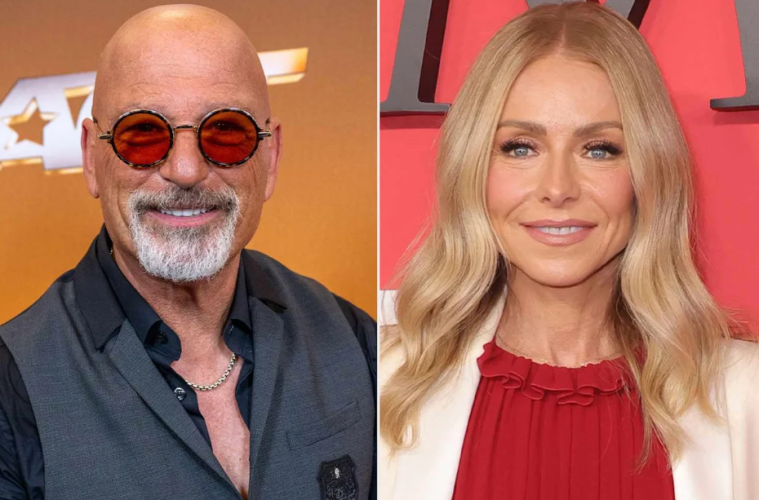
Comedian addresses backlash and defends stand-up boundaries
Howie Mandel Responds to Controversy
March 30, 2026 – Howie Mandel is speaking out following backlash over a joke involving Kelly Ripa, offering a candid perspective on comedy, accountability, and the growing expectation for public apologies.
The comedian recently addressed the situation publicly, acknowledging the reaction while also making it clear that he struggles with the idea that comedians should apologize for jokes made in a comedic context. His remarks have reignited an ongoing debate about the limits of humor and the role of intent in comedy.
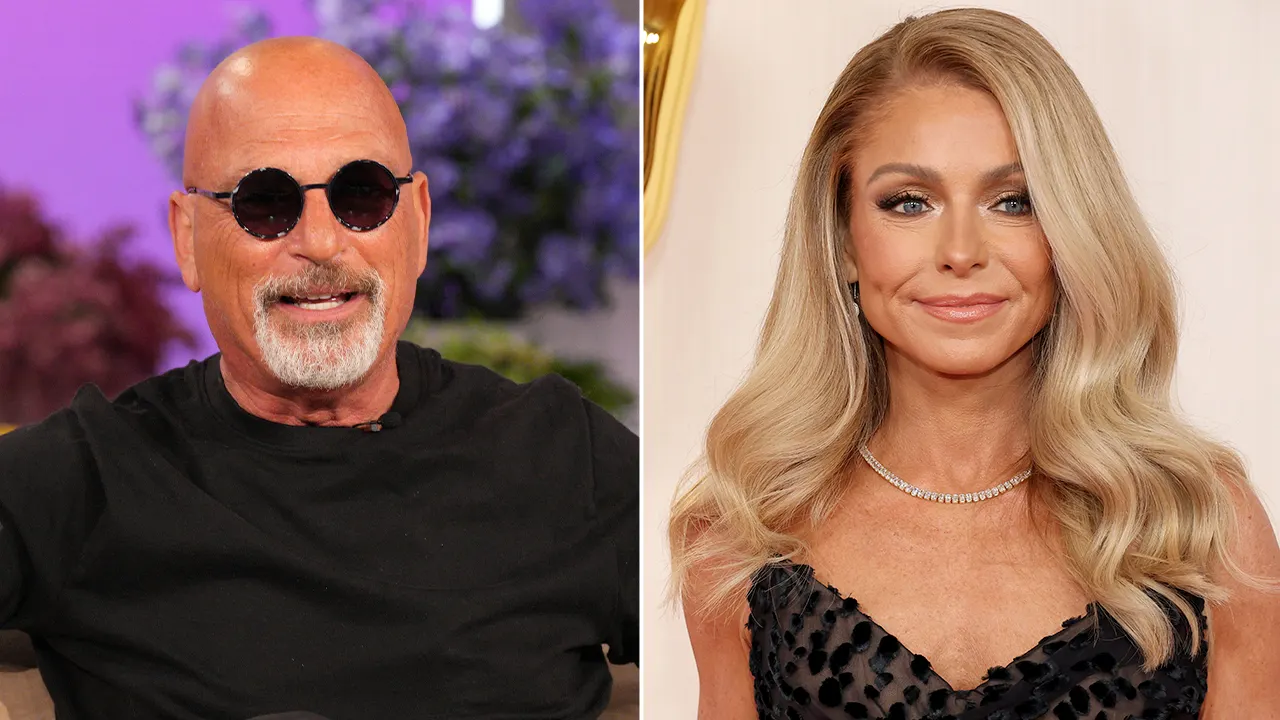
Image Credit: Getty Images
The Apology That Sparked Debate
During a recent appearance, Howie Mandel issued an apology related to comments he made about Kelly Ripa. However, the apology itself appeared hesitant and conflicted, with Mandel admitting that he doesn’t fully believe a comedian should have to apologize for a joke.
This contradiction—apologizing while questioning the need to do so—became a focal point of public discussion. It highlighted the tension many comedians face when navigating audience reactions in an era of heightened sensitivity and instant feedback.
Mandel’s Perspective on Comedy and Boundaries
Mandel emphasized that comedy has traditionally been a space where boundaries are pushed and uncomfortable topics are explored. In his view, jokes are meant to provoke thought, laughter, or even discomfort, and that context should be considered when evaluating them.
By stating that he does not believe comedians should apologize for jokes, Howie Mandel is aligning himself with a long-standing argument within the comedy world—that humor should be protected as a form of expression, even when it is controversial.
At the same time, his acknowledgment of the backlash suggests an awareness of changing audience expectations and the evolving cultural landscape.
View this post on Instagram
The Reaction From Audiences
The response to Mandel’s comments has been mixed. Some supporters agree with his stance, arguing that comedy should remain a space for free expression without the constant threat of public backlash. They view apologies as unnecessary when jokes are clearly intended as humor.
Others, however, believe that public figures—especially those with large platforms—have a responsibility to consider the impact of their words. For them, apologies are not about limiting creativity but about acknowledging harm and maintaining accountability.
This divide reflects a broader cultural conversation about where to draw the line between humor and responsibility.
Kelly Ripa’s Role in the Situation
While Kelly Ripa has not been the central voice in the controversy, her name being part of the joke has inevitably drawn attention. As a well-known television personality, she represents a different segment of the entertainment industry—one that often operates under stricter expectations around public messaging.
The contrast between daytime television norms and stand-up comedy culture adds another layer to the situation, highlighting how different entertainment spaces approach humor and sensitivity.
Image Credit: Getty Images
A Broader Shift in Comedy Culture
Mandel’s comments come at a time when the comedy industry is undergoing significant change. With the rise of social media, jokes are no longer confined to live audiences—they can be shared, analyzed, and critiqued by millions within moments.
This shift has led to increased scrutiny of comedians, prompting ongoing debates about “cancel culture,” freedom of speech, and the evolving standards of humor.
Howie Mandel’s perspective reflects the concerns of many comedians who feel that the boundaries of acceptable humor are becoming increasingly narrow.
The Balance Between Humor and Accountability
One of the key questions raised by this situation is how to balance creative freedom with social responsibility. While comedy thrives on pushing boundaries, it also exists within a broader cultural context where words can have real-world impact.
Mandel’s struggle to reconcile his apology with his beliefs illustrates this tension. It shows that even seasoned performers are navigating a landscape where expectations are shifting and the rules are not always clear.

Image Credit: Getty Images
Why This Conversation Matters
The debate sparked by Mandel’s comments extends beyond one joke or one apology. It speaks to larger issues about how society engages with humor, criticism, and public discourse.
As audiences become more diverse and vocal, the expectations placed on comedians are likely to continue evolving. Conversations like this play a crucial role in shaping the future of comedy and defining what audiences are willing to accept.
Final Thoughts
Howie Mandel’s response to the Kelly Ripa controversy highlights the ongoing tension between tradition and change in the world of comedy. While he questions the necessity of apologies, his acknowledgment of the backlash shows an awareness of the shifting cultural landscape.
Ultimately, the situation underscores a broader reality: comedy is no longer just about making people laugh—it’s about navigating a complex and rapidly changing audience. As that landscape continues to evolve, so too will the conversations around humor, accountability, and creative freedom.
FAQs
Q1: Why did Howie Mandel apologize?
He apologized for a joke involving Kelly Ripa that received backlash from audiences.
Q2: Does he believe comedians should apologize?
No, he stated that he does not believe comedians should have to apologize for jokes.
Q3: Who was involved in the controversy?
The situation involved Howie Mandel and Kelly Ripa.
Q4: Why is this debate significant?
It highlights ongoing discussions about comedy, free expression, and accountability.
Q5: What is the broader issue here?
The balance between humor and social responsibility in an evolving cultural landscape.
Published by HOLR Magazine