


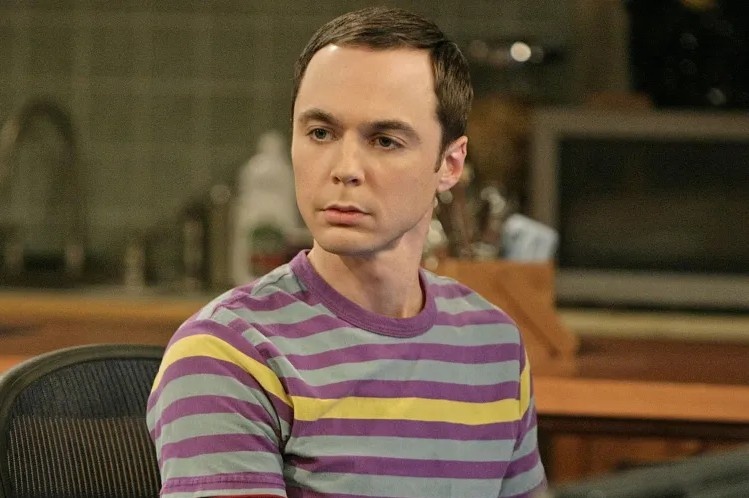
Jim Parsons is looking back on the extraordinary success of The Big Bang Theory with gratitude—but also with honesty about the emotional toll that came with becoming one of television’s biggest stars.
Success Came With Unexpected Pressure
July 18, 2026 – Jim Parsons is opening up about what life was really like during the height of The Big Bang Theory. While the Emmy-winning actor became one of the most recognizable faces on television thanks to his portrayal of Sheldon Cooper, he now says that period of immense success was far more difficult than many people realized.
Speaking candidly about his career, Parsons reflected on how the demands of maintaining his success often left him feeling overwhelmed. Looking back, he admitted that some of what should have been the happiest moments of his life were instead marked by stress and unhappiness.
:max_bytes(150000):strip_icc():focal(618x361:620x363):format(webp)/jim-parsons-big-bang-theory-2-fa1f76576913473baf1d3e512fc091d9.jpg)
Credit: Richard Cartwright/CBS/Getty
Feeling “Miserable” Despite Career Highs
Although The Big Bang Theory brought Parsons critical acclaim, multiple Emmy Awards, and worldwide recognition, he explained that he often felt trapped by the pressure he placed on himself.
The actor shared that he believed every achievement depended on maintaining an intense level of discipline and relentless work. That mindset, while effective professionally, eventually became emotionally exhausting. Rather than fully enjoying the milestones he was reaching, he found himself constantly focused on keeping everything under control.
An Obsessive Approach to Work
Parsons also acknowledged that his personality played a significant role in how he experienced fame. He described having obsessive tendencies that fueled his work ethic but also contributed to unnecessary stress.
Instead of celebrating accomplishments as they happened, he often felt compelled to push harder, believing that slowing down might jeopardize everything he had built. In hindsight, he questions whether that level of pressure was truly necessary, even if it helped shape his successful career.
Missing Out on Life Beyond the Set
Reflecting on those years, Parsons admitted that his dedication to work came with personal sacrifices. He believes he missed out on many meaningful experiences because so much of his energy was devoted to maintaining his professional momentum.
Now, with more perspective, the actor says he wishes he had allowed himself to enjoy those years instead of constantly worrying about meeting impossible expectations. It’s a lesson that has reshaped how he approaches both work and life today.
:max_bytes(150000):strip_icc():focal(784x399:786x401):format(webp)/jim-parsons-tonys-af5b284cb6994348bd64510a9e9f916d.jpg)
Credit: Taylor Hill/Getty
A Different Outlook Today
More than seven years after The Big Bang Theory concluded its 12-season run, Parsons says his relationship with fame has changed considerably. While he remains grateful for the opportunities the series created, he no longer measures success solely through constant productivity.
Instead, he appears focused on finding greater balance, embracing projects that excite him without allowing work to dominate every aspect of his life. His recent stage performances demonstrate that passion for acting remains strong, but with a healthier perspective than during his sitcom years.
Why His Story Resonates With Fans
Parsons’ reflections have struck a chord with fans because they highlight a reality that often goes unseen behind Hollywood success. While audiences watched him deliver one of television’s most beloved comedic performances week after week, he was privately navigating the pressures that accompanied global fame.
His comments serve as a reminder that professional achievements and personal fulfillment do not always go hand in hand. Even during the most celebrated chapters of a career, maintaining emotional well-being can be just as important as reaching new milestones.
Life After Sheldon Cooper
Since The Big Bang Theory ended in 2019, Parsons has continued to explore new creative opportunities across television, film, and the stage. He also remained connected to the franchise as the narrator and executive producer of Young Sheldon, helping expand the story of the character that made him a household name.
Rather than chasing another long-running sitcom, Parsons has embraced a variety of roles that allow him to challenge himself creatively. His post-Big Bang Theory career reflects a desire to prioritize meaningful projects over the relentless pace that once defined his professional life.
View this post on Instagram
A More Balanced Definition of Success
Looking back, Parsons doesn’t dismiss the incredible opportunities that came with starring in one of television’s highest-rated comedies. Instead, he views the experience through a more balanced lens, recognizing both the remarkable accomplishments and the personal lessons that accompanied them.
His candid remarks offer encouragement to anyone striving for success. Achievements are meaningful, but they become even more rewarding when they’re accompanied by time to appreciate them and maintain a healthy balance between work and personal life.
Final Thoughts
Jim Parsons’ honesty about feeling “miserable” during the height of The Big Bang Theory‘s success offers a refreshingly candid perspective on fame. While the sitcom transformed him into an international star and earned him widespread acclaim, he now recognizes that relentless pressure prevented him from fully enjoying that remarkable chapter of his career.
Today, Parsons appears to have found a healthier outlook—one that values balance, fulfillment, and choosing projects for passion rather than obligation. His reflections provide an important reminder that true success isn’t measured solely by accolades or popularity, but also by the ability to enjoy the journey along the way.
FAQs
Why did Jim Parsons say he was miserable during The Big Bang Theory?
Parsons said the intense pressure he placed on himself during the show’s peak left him feeling overwhelmed and prevented him from fully enjoying his success.
What role made Jim Parsons famous?
He rose to worldwide fame for portraying Sheldon Cooper on The Big Bang Theory.
Did Jim Parsons regret starring in The Big Bang Theory?
No. He expressed gratitude for the opportunities the series created but said he wouldn’t want to experience that level of pressure again.
What did Jim Parsons mean by saying, “I wouldn’t do that again”?
He was referring to the demanding mindset and relentless pressure he maintained during the height of his fame, not the show itself.
What has Jim Parsons done since The Big Bang Theory ended?
He has continued acting in television, film, and theater while also serving as narrator and executive producer of Young Sheldon.
When did The Big Bang Theory end?
The series concluded in 2019 after a successful 12-season run.
Published by HOLR Magazine