


Explore Madonna’s extraordinary journey from aspiring dancer to the Queen of Pop, tracing her groundbreaking music career, global influence, business ventures, family life, and enduring cultural legacy.
Early Life and Family
August 01, 2026 – Madonna Louise Ciccone was born on August 16, 1958, in Bay City, Michigan, and was raised in nearby Rochester Hills. She is the third of six children born to Silvio “Tony” Ciccone, an engineer, and Madonna Louise Fortin Ciccone. Her mother passed away from breast cancer when Madonna was just five years old, a heartbreaking loss that profoundly shaped her childhood and later influenced her music and artistic expression.
Raised in a large Italian-American Catholic family, Madonna excelled academically while also developing a passion for dance and performance. Teachers recognized her determination and discipline from an early age, qualities that would later define her rise in the entertainment industry.
She attended Rochester Adams High School before earning a dance scholarship to the University of Michigan, where she studied under renowned choreographer Christopher Flynn. Flynn encouraged her to pursue a professional career in New York City, advice that would ultimately change her life.

Credit: NME
Moving to New York With a Dream
In 1978, Madonna moved to New York City with only a small amount of money and an unwavering belief in her ambitions. She worked a variety of jobs—including waitressing, modeling, and dance instruction—to support herself while auditioning for dance companies and musical productions.
During her early years in New York, she performed with several dance troupes before joining musician Patrick Hernandez on a European tour as a backup dancer. The experience introduced her to the music industry and convinced her that she wanted to become a recording artist rather than continue exclusively as a dancer.
After returning to New York, Madonna began writing songs and performing with local bands, gradually developing the distinctive style that would later make her an international superstar.
Rise to Pop Stardom
Madonna released her self-titled debut album in 1983, introducing audiences to infectious dance-pop hits including Holiday, Borderline, and Lucky Star. The album quickly established her as one of the most exciting new artists of the decade, but it was her second studio album, Like a Virgin (1984), that transformed her into a global phenomenon.
The album topped charts around the world and produced iconic singles such as Like a Virgin and Material Girl. Madonna’s bold fashion choices, confident stage presence, and willingness to challenge cultural norms distinguished her from other performers, earning her the nickname “Queen of Pop.”
Throughout the 1980s, she continued releasing chart-topping albums including True Blue and Like a Prayer, while reinventing her image with nearly every project. Her ability to evolve artistically became one of the defining characteristics of her career.
Expanding Into Film and Business
As her music career flourished, Madonna expanded into acting with films including Desperately Seeking Susan, Dick Tracy, A League of Their Own, and Evita. Her portrayal of Eva Perón in Evita earned widespread critical acclaim and won her the Golden Globe Award for Best Actress in a Motion Picture – Musical or Comedy.
Beyond entertainment, Madonna established herself as a successful entrepreneur. She founded Maverick Records, one of the music industry’s most influential artist-led labels, helping launch the careers of several major performers while expanding her business portfolio.
Over the years, she also ventured into fashion, publishing, fitness, skincare, and fragrance, becoming one of the entertainment world’s most successful businesswomen. Her entrepreneurial achievements complemented her musical success, making her one of the highest-selling female recording artists of all time.
Credit: Alex Antonioni; courtesy Warner Records
Reinvention and Global Influence
One of Madonna’s greatest strengths has been her remarkable ability to reinvent herself. Across four decades, she has continuously embraced new musical styles, visual aesthetics, and creative collaborations while remaining culturally relevant.
Albums such as Ray of Light, Music, Confessions on a Dance Floor, MDNA, Rebel Heart, and Madame X showcased her willingness to experiment with electronic music, world influences, and contemporary production while maintaining her signature artistic identity.
Her influence extends beyond music. Madonna has challenged conversations surrounding gender, sexuality, artistic freedom, religion, and female empowerment, inspiring generations of performers to embrace individuality and creative independence. Artists across pop, R&B, dance, and electronic music frequently cite her as one of their most significant influences.
Personal Life and Philanthropy
Madonna’s personal life has often attracted as much public attention as her music. Over the years, she has been linked to several high-profile relationships and was married to actor Sean Penn from 1985 to 1989. In 2000, she married British filmmaker Guy Ritchie, and the couple welcomed their son, Rocco, before divorcing in 2008.
Madonna is also the mother of six children. Alongside daughter Lourdes Leon and son Rocco Ritchie, she has adopted four children from Malawi—David Banda, Mercy James, and twins Stella and Estere. She has frequently spoken about the profound impact motherhood has had on her life, describing her children as her greatest source of inspiration and motivation.
Beyond her family, Madonna has dedicated considerable time to philanthropy. Through her charitable organization Raising Malawi, she has helped fund children’s hospitals, educational initiatives, and healthcare programs aimed at improving opportunities for vulnerable children in the African nation. She has also supported numerous humanitarian causes involving HIV/AIDS awareness, disaster relief, LGBTQ+ rights, women’s empowerment, and access to education around the world.
Awards and Record-Breaking Success
Few artists in music history have accumulated as many accolades as Madonna. She has won multiple Grammy Awards, MTV Video Music Awards, American Music Awards, Billboard Music Awards, and Brit Awards while also receiving recognition for her acting and humanitarian work.
Commercially, Madonna remains the best-selling female recording artist of all time, with estimated worldwide record sales exceeding 400 million copies. She has achieved dozens of Billboard Hot 100 hits, numerous chart-topping albums, and record-breaking global tours that have generated billions of dollars in ticket sales throughout her career.
She has also been inducted into the Rock and Roll Hall of Fame, recognizing her extraordinary influence on popular music and her role in shaping the modern entertainment industry.
:max_bytes(150000):strip_icc():focal(677x326:679x328)/madonna-birthday-tout-081924-ecd78081e50148e18cd3e52914bd7deb.jpg)
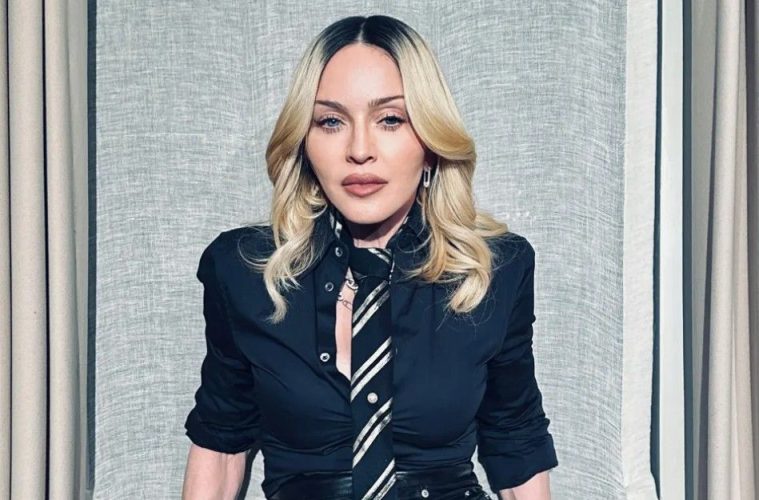
Credit : Madonna/Instagram
A Lasting Cultural Legacy
Madonna’s influence extends far beyond music. Throughout her career, she has consistently challenged artistic boundaries, redefined pop stardom, and encouraged conversations about identity, gender equality, sexuality, religion, and creative freedom.
Her constant reinvention has inspired generations of artists including Britney Spears, Lady Gaga, Beyoncé, Rihanna, Dua Lipa, Taylor Swift, and countless others who have acknowledged her impact on their own careers. Her fearless approach to performance, fashion, and visual storytelling transformed expectations for what a pop artist could achieve.
Music historians often credit Madonna with helping establish the blueprint for the modern global pop superstar—an artist who not only records hit songs but also shapes fashion, culture, business, and social conversations on an international scale.
Continuing to Inspire New Generations
More than four decades after launching her recording career, Madonna continues to remain relevant in an ever-changing entertainment landscape. Whether releasing new music, embarking on sold-out tours, collaborating with younger artists, or celebrating milestones from her remarkable catalog, she has consistently demonstrated an ability to evolve without losing her distinctive artistic voice.
Her resilience has also become a defining part of her story. After overcoming health challenges and returning to the stage for her acclaimed Celebration Tour, Madonna once again reminded audiences of the determination that has fueled her career from the very beginning.
Final Thoughts
Madonna’s journey from a young dancer arriving in New York with little more than ambition to becoming the undisputed Queen of Pop is one of the most remarkable success stories in entertainment history. Through groundbreaking music, unforgettable performances, entrepreneurial achievements, and fearless artistic reinvention, she has continually redefined what it means to be a global superstar.
Her influence can be seen across generations of musicians, performers, and creators who continue to draw inspiration from her willingness to innovate and challenge expectations. As both a cultural icon and one of the most successful recording artists of all time, Madonna’s legacy remains unmatched, ensuring her place as one of the most important figures in modern popular culture.
FAQs
Who is Madonna?
Madonna is an American singer, songwriter, actress, entrepreneur, and philanthropist widely known as the “Queen of Pop.”
When was Madonna born?
Madonna was born on August 16, 1958, in Bay City, Michigan.
How many children does Madonna have?
Madonna has six children: Lourdes Leon, Rocco Ritchie, David Banda, Mercy James, and twins Stella and Estere.
What is Madonna’s best-selling album?
Among her most successful albums are Like a Virgin, True Blue, The Immaculate Collection, Ray of Light, and Confessions on a Dance Floor.
Why is Madonna called the Queen of Pop?
She earned the title through her record-breaking success, constant artistic reinvention, cultural influence, and lasting impact on popular music over more than four decades.
Published by HOLR Magazine