


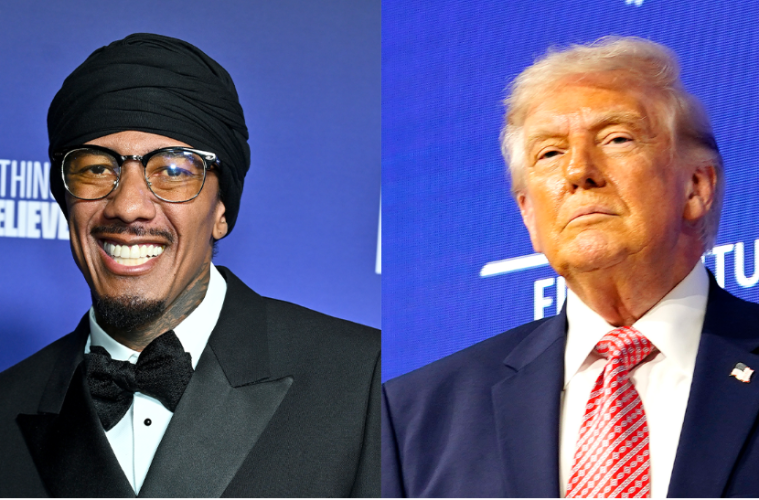
Star’s comments on Democrats and Trump ignite widespread debate
Nick Cannon’s Comments Stir Controversy
March 30, 2026 – Nick Cannon is once again at the center of public debate after making controversial political remarks during a recent episode of his show The Big Drive. Known for his outspoken personality, Cannon drew significant attention after referring to the Democratic Party as “the party of the KKK” and expressing support for Donald Trump.
The comments quickly circulated across social media platforms, prompting strong reactions from both supporters and critics. What began as a discussion quickly evolved into a broader conversation about history, politics, and the role of celebrities in public discourse.

Image Credit: Arnold Turner/Getty; Graeme Sloan/Bloomberg via Getty
The Conversation That Sparked Headlines
Cannon made the remarks while speaking with guest Amber Rose, who shared her own perspectives on political alignment and personal beliefs. During the exchange, Cannon echoed some of her views and introduced his own take on political history.
His statement linking the Democratic Party to the Ku Klux Klan referenced historical associations dating back to the 19th and early 20th centuries. However, the framing of this claim without broader context contributed to the controversy, as many viewers interpreted it as a reflection of present-day political dynamics.
Historical Context and Modern Interpretations
The historical relationship between U.S. political parties and groups like the Ku Klux Klan is complex and often misunderstood. While it is true that certain factions within the Democratic Party were associated with segregationist ideologies in the past, political alignments have significantly shifted over time—particularly during the Civil Rights Movement.
Critics of Nick Cannon’s remarks argue that presenting this history without acknowledging those shifts can be misleading. Supporters, on the other hand, suggest that he was highlighting historical facts that are not always widely discussed.
This tension underscores how discussions about political history can quickly become polarizing when simplified or taken out of broader context.

Image Credit: Getty Images
Expressing Support for Donald Trump
In addition to his comments about the Democratic Party, Cannon also voiced support for Donald Trump, using informal language to express approval of his leadership style and policy decisions.
This aspect of the conversation surprised some fans, particularly those who associated Cannon with different political viewpoints in the past. His remarks suggest a more independent or evolving political stance, rather than a strict alignment with one party.
At the same time, the tone and phrasing of his comments contributed to the intensity of the reaction, amplifying the controversy surrounding the discussion.
Public Reaction and Divided Opinions
The response to Cannon’s statements has been sharply divided. On one side, some individuals praised his willingness to speak openly and challenge mainstream narratives. They view his comments as part of a broader effort to question established political perspectives.
On the other side, critics expressed concern about the potential impact of such statements, particularly when they involve sensitive historical topics. Many argued that public figures have a responsibility to present nuanced and accurate information, especially when addressing issues with deep social and cultural implications.
The debate has extended beyond Cannon himself, reflecting broader divisions in how audiences interpret political commentary from celebrities.
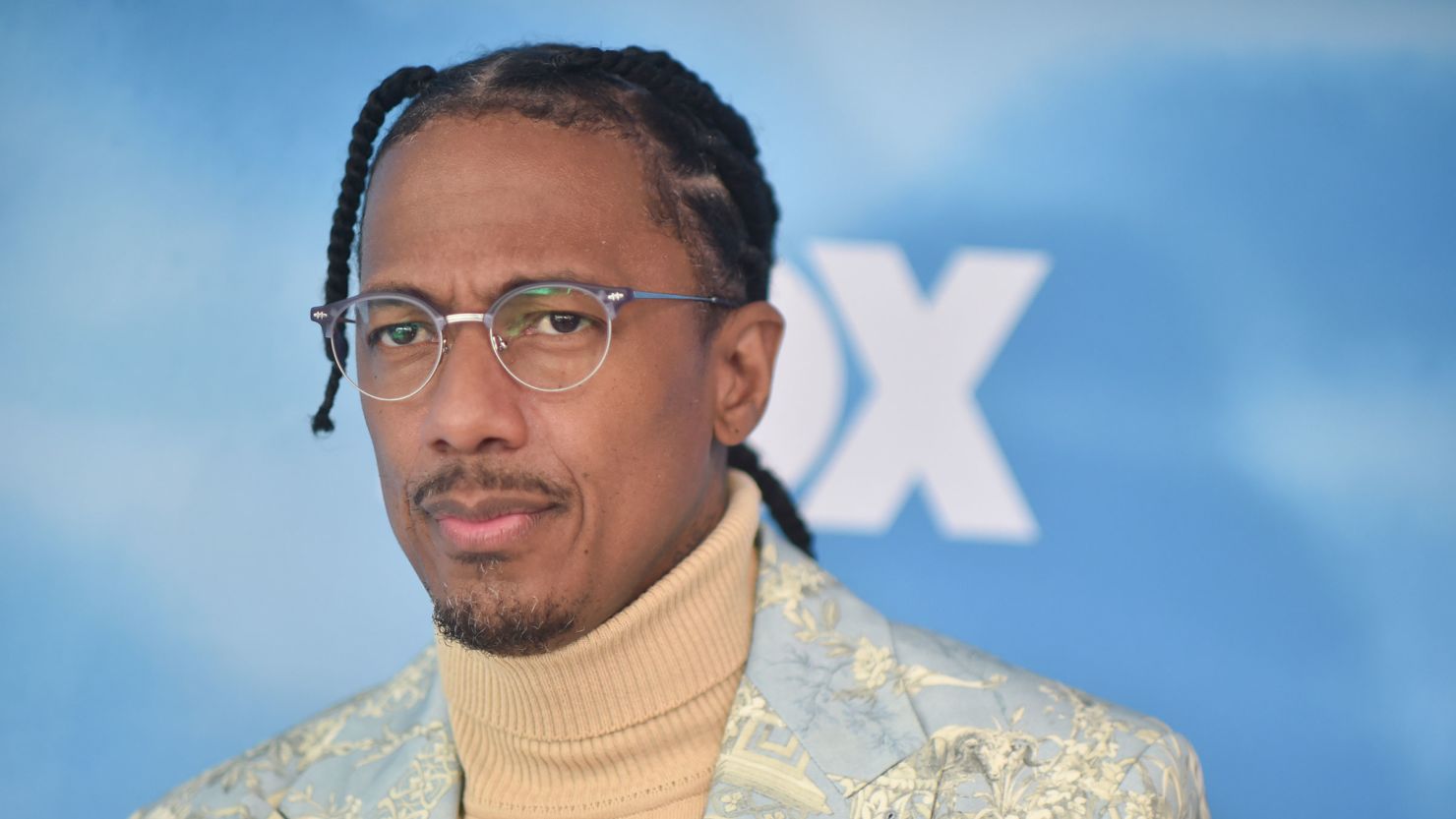
Image Credit: Getty Images
Nick Cannon’s History of Controversial Commentary
This is not the first time Nick Cannon has made headlines for his outspoken views. Throughout his career, he has frequently used his platform to discuss social, cultural, and political issues—often in ways that spark strong reactions.
His approach to communication tends to prioritize candidness and spontaneity, which can resonate with audiences seeking authenticity but also carries the risk of controversy. In the case of The Big Drive, the conversational format allows for unfiltered dialogue, increasing the likelihood of polarizing moments.
The Role of Celebrities in Political Discourse
Cannon’s remarks highlight an ongoing question within modern media: what role should celebrities play in political conversations? With the rise of digital platforms, public figures now have unprecedented access to audiences, allowing them to share opinions directly and instantly.
This shift has blurred the lines between entertainment and political commentary. While some see this as an opportunity for more diverse perspectives, others worry about the spread of misinformation or oversimplified narratives.
In this context, moments like Cannon’s comments become part of a larger discussion about responsibility, influence, and the impact of public statements.
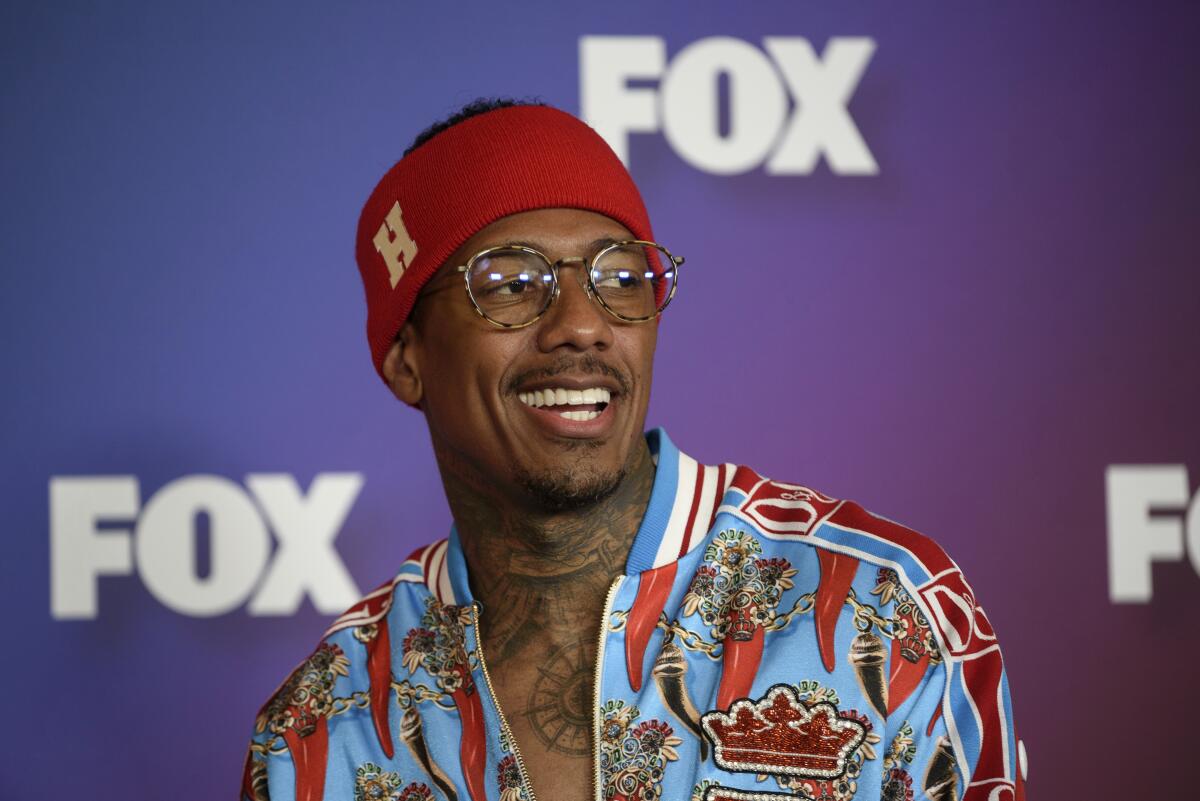
Image Credit: Getty Images
Why This Moment Resonates
The intensity of the reaction to Cannon’s remarks reflects the broader cultural climate, where political discussions are increasingly charged and deeply personal. Statements that touch on history, identity, and ideology can quickly become flashpoints for debate.
For many, the controversy is less about one individual and more about how society engages with complex topics. It raises questions about how history is interpreted, how opinions are shared, and how audiences respond to public figures who challenge or reinforce existing beliefs.
Final Thoughts
Nick Cannon’s recent comments have once again placed him at the center of a high-profile conversation about politics and public influence. While his statements have drawn both criticism and support, they also highlight the challenges of discussing complex historical and political issues in a highly connected media environment.
As the conversation continues, the moment serves as a reminder of the power of words—especially when spoken by influential figures. Whether viewed as provocative or candid, Cannon’s remarks have contributed to an ongoing dialogue about history, accountability, and the evolving role of celebrities in shaping public discourse.
FAQs
Q1: What did Nick Cannon say about the Democratic Party?
He referred to it as “the party of the KKK” during a discussion on his show.
Q2: Did Nick Cannon express support for Donald Trump?
Yes, he said he supports Donald Trump during the same conversation.
Q3: Where were these comments made?
They were made on his show The Big Drive while speaking with Amber Rose.
Q4: Why are his comments controversial?
They involve sensitive historical claims and strong political opinions that have sparked public debate.
Q5: Has Nick Cannon faced controversy before?
Yes, he has previously made headlines for outspoken comments on social and political issues.
Published by HOLR Magazine