


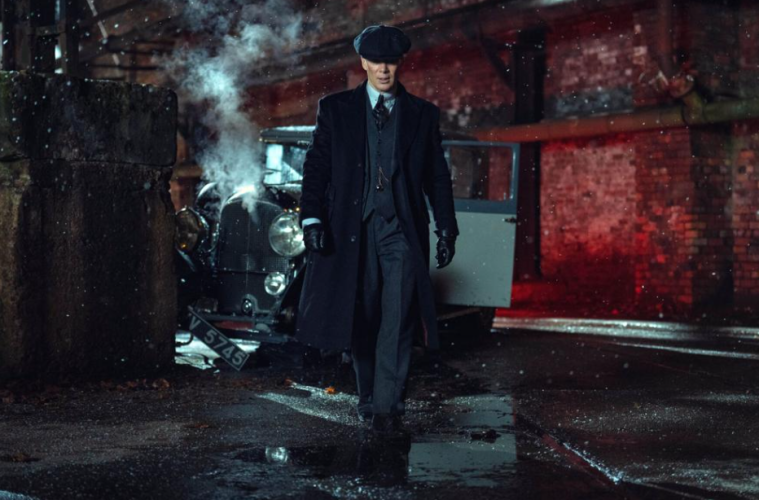
Steven Knight breaks down shocking ending and future plans
Creator Addresses Film’s Most Shocking Moment
March 21, 2026 – Steven Knight is opening up about the emotional and controversial ending of Peaky Blinders: The Immortal Man, confirming that the film delivers a definitive conclusion to Tommy Shelby’s story. After years of speculation, the movie does not leave things ambiguous—Tommy Shelby dies, marking a bold and final decision that reshapes the future of the franchise.

Image Credit: Netflix
Why Tommy Shelby Had to Die
According to Knight, the decision to end Tommy’s arc in such a dramatic way was always rooted in narrative closure. After a journey defined by trauma, power, and internal conflict, Tommy’s death is portrayed not simply as a tragedy but as a form of release. In the film’s final act, he is mortally wounded and ultimately chooses his fate, pushing his son to carry out the final step.
This ending aligns with the show’s long-running themes—fate, sacrifice, and the cost of leadership—while also ensuring that the character’s story does not overstay its emotional impact.
The Emotional Father-Son Showdown
A major highlight of the film is the intense confrontation between Cillian Murphy’s Tommy and Barry Keoghan’s Duke Shelby. The relationship between the two characters becomes central to the narrative, culminating in a brutal and emotional showdown.
Duke, who has taken control of the Peaky Blinders in Tommy’s absence, represents a new generation—more impulsive, ruthless, and unpredictable. Their clash is not just physical but ideological, symbolizing the transition of power and the consequences of Tommy’s legacy.
Duke Shelby’s Role in the Future
Knight has made it clear that Duke is not just a supporting character but a key figure in the franchise moving forward. By placing him at the center of the film’s climax, the story effectively positions him as the successor to Tommy Shelby. The final act, where Duke ultimately fulfills his father’s request, cements this transition in a dramatic and unforgettable way.
This shift signals a deliberate move toward a new era of Peaky Blinders, one that explores how the Shelby legacy evolves without its original leader.
The Meaning Behind the Ending
The film’s conclusion goes beyond shock value, offering a deeper reflection on Tommy’s journey. His death is framed as a moment of peace rather than defeat, echoing the idea that he has finally escaped the burdens that defined his life. The symbolic funeral sequence reinforces this interpretation, presenting his passing as both an ending and a transformation.
Knight’s approach ensures that the ending feels earned, tying together years of storytelling into a single, powerful resolution.

Image Credit: Netflix
Expanding the Peaky Blinders Universe
Despite Tommy’s death, Knight has confirmed that the Peaky Blinders story is far from over. Plans are already in motion for a new spinoff series that will continue the narrative, with a stronger focus on Duke and the next generation of characters.
This expansion reflects the franchise’s enduring popularity and its ability to evolve beyond its original premise, moving into new timelines and conflicts.
Balancing Closure and Continuation
One of the biggest challenges for Knight was balancing a satisfying ending with the potential for future storytelling. By concluding Tommy’s arc while introducing new narrative threads, the film manages to achieve both. It provides closure for longtime fans while also setting the stage for what comes next.
This dual approach is increasingly common in modern franchises, where endings often serve as beginnings for new chapters.
Fan Reactions to the Film’s Bold Choices
The reaction to the film’s ending has been intense and divided. Some fans have praised the decision to give Tommy a definitive conclusion, calling it a fitting end to one of television’s most complex characters. Others have expressed shock and sadness, particularly given the emotional weight of the final scenes.
The debate reflects the deep connection audiences have with the character and the risks involved in making such a decisive narrative choice.
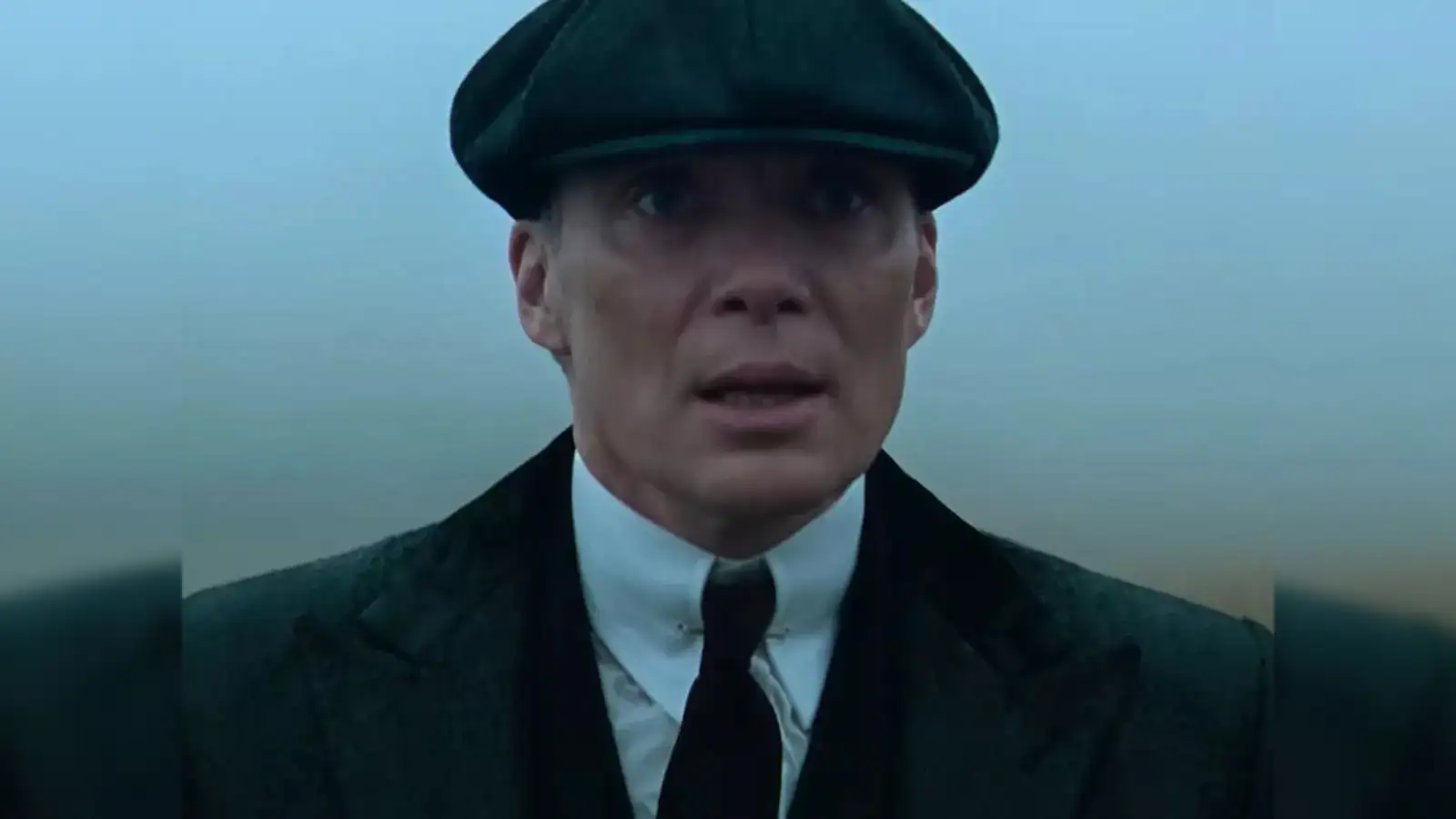
Image Credit: Netflix
A New Chapter Without Tommy Shelby
With Tommy Shelby’s story now concluded, the future of Peaky Blinders will rely heavily on its ability to reinvent itself. Duke’s rise suggests a darker, more volatile direction, potentially exploring new themes and conflicts. The shift also opens the door for fresh storytelling opportunities, allowing the franchise to expand while honoring its roots.
Final Thoughts
Steven Knight’s decision to end Tommy Shelby’s story in The Immortal Man marks a turning point for the Peaky Blinders universe. By delivering a definitive and emotionally charged conclusion, the film closes one chapter while opening another. The transition from Tommy to Duke signals a bold evolution, ensuring that the legacy of the Shelby family continues—albeit in a new and unpredictable form. As the franchise moves forward, the challenge will be maintaining the depth and intensity that made it iconic, even without its central figure.
FAQs
Q1: Does Tommy Shelby die in the Peaky Blinders movie?
Yes, the film confirms his death, providing a definitive ending to his story.
Q2: Who kills Tommy Shelby?
His son Duke carries out the final act at Tommy’s request.
Q3: What is the significance of Duke in the story?
Duke represents the next generation and is positioned as the future lead of the franchise.
Q4: Will there be more Peaky Blinders content?
Yes, a new spinoff series focusing on the next generation is in development.
Q5: Why did the creator choose this ending?
Steven Knight wanted to give Tommy a complete and meaningful narrative conclusion.
Published by HOLR Magazine