


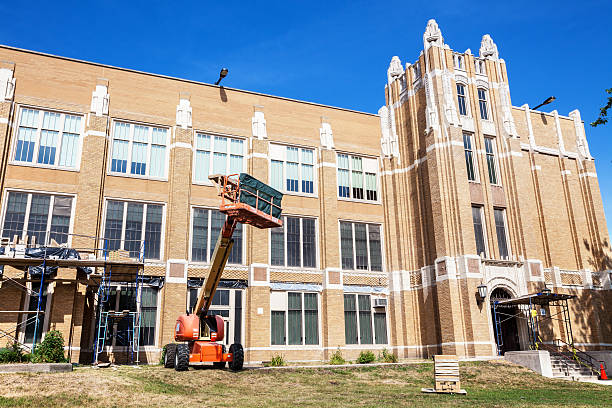
Renovating a local school invites careful planning, steady coordination, and a grounded sense of what students, teachers, and families need from the space where learning unfolds. A project of this scale often feels challenging, yet a thoughtful approach can turn complex tasks into manageable steps. By combining practical guidance with attention to daily school life, a renovation can uplift the entire community. The following sections offer clear suggestions that support both function and longevity, helping decision makers move from early ideas to well-executed improvements.

Planning with Professional Support
Property recovery experts often guide schools through refurbishments that involve structural repairs, environmental hazards, or ageing materials. Their knowledge proves valuable during early assessments, mid-project adjustments, and final inspections. These specialists often collaborate with multiple partners, and this creates a pathway for structured communication that keeps projects on track. Many renovation plans benefit from advisers who are experienced in serving the education sector and can translate building needs into safe solutions that comply with regulations. When these experts join the conversation, they help uncover risks, propose suitable remedies, and coordinate with contractors so that a school community receives a finished space that feels safe, reliable, and ready for learning.
Designing for Modern Learning Needs
A successful renovation supports the activities that unfold every day in classrooms, hallways, libraries, and outdoor areas. Teachers often seek adaptable rooms that allow group work, quiet study, and technology use. Students respond positively to classrooms with flexible seating, clear acoustics, and natural light. Many schools aim for storage solutions that reduce clutter and make materials reachable for students of different ages. Careful attention to traffic flow can ease congestion during lesson changes, helping students move through the building with less stress. Each decision, from flooring choices to window placement, shapes how comfortable and inspiring the environment feels for learners.
Managing Budgets and Timelines
Clear budgeting allows administrators to balance ambition with reality. Repairs, upgrades, and new features can vary widely in price, so a transparent process helps prevent surprises. Many schools create phased plans that break the renovation into manageable segments, allowing parts of the building to stay open while other areas undergo work. Phasing also spreads costs across multiple periods, which offers some breathing room when funding must come from grants, donations, or community partnerships. Timelines should remain flexible enough to account for weather, supply delays, and inspection scheduling. Progress meetings help maintain alignment and give everyone a chance to review goals throughout the project.
Ensuring Safe and Functional Infrastructure

A school renovation often focuses on visible upgrades, yet the unseen systems behind walls and ceilings carry equal significance. Heating, cooling, plumbing, and electrical systems require careful planning, and older buildings sometimes hold hidden conditions that demand attention before cosmetic improvements can take place. Maintenance teams often collaborate with engineers and contractors to evaluate these systems, identify outdated components, and recommend solutions. A thoughtful approach to infrastructure greatly reduces future disruptions, giving students and teachers a reliable foundation that supports learning. When these systems function smoothly, the building operates more efficiently and avoids unexpected closures caused by repairs.
Engaging Staff and Students in the Process
Renovation plans often become more successful when teachers, students, and families share their perspectives. Classroom layouts affect daily routines, and staff usually offer practical insights about storage, accessibility, and supervision. Students bring honest feedback about comfort, noise, and movement, which can guide decisions about seating, lighting, and circulation. Families often appreciate opportunities to learn about progress through newsletters, open houses, or visual boards placed in hallways. Collaboration builds trust and helps reduce worries about disruptions to learning. Many schools find that a transparent process strengthens community connection and encourages shared responsibility for caring for the finished space.
Maintaining Momentum After Completion
After construction wraps up, the way a school adapts to its new environment plays a significant role in success. Staff may need training on new technology, improved safety features or updated equipment. Furniture arrangements sometimes require refinement during the first weeks as teachers test different classroom layouts. Maintenance teams can develop schedules that preserve new flooring, fixtures, and mechanical systems. Some schools create feedback periods that invite staff or students to comment on how the renovated areas function during daily use. These reflections can guide future improvements and help protect the investment made during the renovation.
Ideas that support ongoing upkeep include:
- Regular walkthroughs that identify small repairs before they escalate
- Clear cleaning routines suited to new materials and finishes
- Budget planning for future touch-ups or replacements
- Communication channels that allow staff to report concerns quickly
- Annual reviews of safety features and accessibility needs
By taking these steps, a school continues to grow into its renewed environment, preserving the advantages gained through the renovation.
Renovating a local school calls for steady preparation, thoughtful design choices, and active communication among everyone involved. Through planning, careful collaboration, and attention to long-term maintenance, a renewed building can offer comfort, practicality, and inspiration for years to come.
Published by HOLR Magazine.