


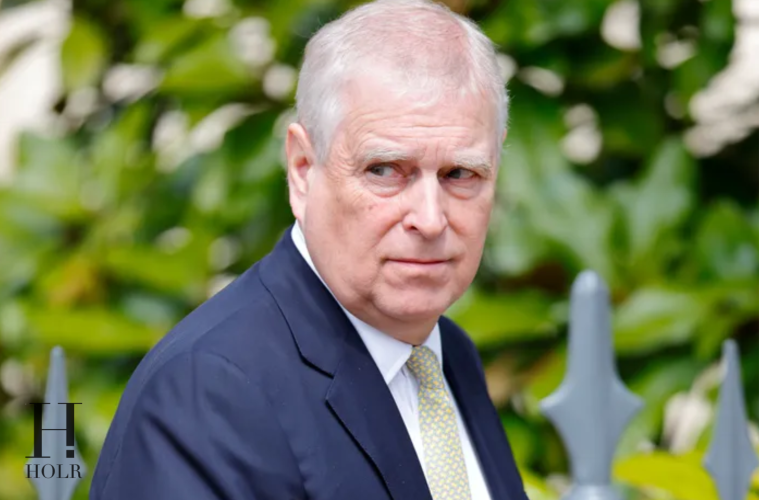
Ex-Prince Andrew Becomes First Royal to Be Arrested in Modern History
19-Feb-2026: In an unprecedented moment for the British monarchy, ex-Prince Andrew—formerly known as the Duke of York—has reportedly become the first senior royal in modern history to be arrested. The development marks a dramatic chapter in a saga that has shadowed the royal family for years and could have lasting implications for the institution’s reputation and public standing.
:max_bytes(150000):strip_icc():focal(768x395:770x397):format(webp)/princess-anne-princess-royal-riding-disabled-association-national-championships-071224-1-d5232ccf413d498f8ee8891787453991.jpg)
Image Credit: Getty
Who Is Prince Andrew?
Prince Andrew, Duke of York is the third child of the late Queen Elizabeth II and Prince Philip, Duke of Edinburgh. Once regarded as a prominent working royal and a decorated Royal Navy veteran, Andrew’s public image shifted dramatically following allegations connected to convicted financier Jeffrey Epstein.
Over the past several years, Prince Andrew has faced intense scrutiny regarding his association with Epstein and the subsequent legal proceedings that unfolded. Though he has consistently denied any wrongdoing, the controversy led to significant consequences within royal circles.
:max_bytes(150000):strip_icc():focal(764x337:766x339):format(webp)/andrew-mountbatten-windsor-home-sandringham-021926-2-7059f089d43b44a1b8e0fb9687eb376c.jpg)
Image Credit: Getty
The Road to Controversy
Prince Andrew’s association with Jeffrey Epstein became public knowledge long before Epstein’s 2019 arrest and subsequent death. However, the situation escalated when Virginia Giuffre filed a civil lawsuit in the United States, alleging that Andrew had sexually abused her when she was a minor. Andrew denied the allegations, but the legal battle brought intense media coverage and public criticism.
In early 2022, Andrew reached an out-of-court settlement with Giuffre without admitting liability. Soon after, he stepped back from public royal duties and was stripped of his military titles and royal patronages. Buckingham Palace announced that he would no longer use the style “His Royal Highness” in an official capacity.
While the settlement concluded the U.S. civil case, the broader scrutiny surrounding his actions did not fully subside.
:max_bytes(150000):strip_icc():focal(726x287:728x289):format(webp)/king-charles-122823-tout-adcb4af50ffe45efb4dd62e125b7c359.jpg)
Image Credit: WireImage
A Historic Arrest
Reports of Andrew’s arrest represent an extraordinary moment in modern British royal history. While members of the monarchy have faced scandals in the past, the formal arrest of a senior royal in the contemporary era is virtually unheard of.
Historically, British monarchs and senior royals have enjoyed a unique constitutional position. Though not above the law, they are typically shielded from direct legal confrontation due to their status, diplomatic considerations, and internal royal protocols.
The arrest signals that legal authorities are prepared to treat even members of the royal family as ordinary citizens when warranted. It reinforces a broader cultural and legal shift toward accountability, regardless of rank or heritage.
:max_bytes(150000):strip_icc():focal(776x438:778x440):format(webp)/prince-andrew-duchess-of-kent-funeral-101725-3a2b5ae67a594085861be3fc589ab186.jpg)
Image Credit: Getty
Impact on the Royal Family
The British monarchy, now led by King Charles III, has been working to modernize its image and maintain public trust. The controversy surrounding Andrew has posed significant challenges to that effort.
Public opinion toward Andrew has been largely negative since the allegations surfaced. A widely criticized 2019 television interview further damaged his reputation, leading to his withdrawal from public duties. Since then, he has largely stayed out of the public eye.
The arrest could reignite debates about transparency, privilege, and accountability within the monarchy. It also raises questions about how the royal household will navigate the legal process while preserving institutional stability.
Legal and Constitutional Considerations
In the United Kingdom, the monarch is sovereign and traditionally immune from prosecution. However, other members of the royal family do not enjoy absolute legal immunity. While protocol and tradition may offer certain protections, they remain subject to the law.
If legal proceedings move forward, the case could set an important precedent for how royals are handled within the justice system. It underscores that constitutional monarchy operates within the framework of democratic legal norms.
Legal experts note that due process remains essential. An arrest does not imply guilt, and any charges would need to be substantiated through proper judicial proceedings.
Public Reaction
The reaction among the British public and international observers has been mixed but largely reflective of broader calls for equality before the law. For many, the arrest symbolizes a shift toward greater accountability for powerful figures.
At the same time, some supporters argue that the monarchy should be shielded from what they perceive as politically or media-driven attacks. The divide reflects ongoing debates about the future role and relevance of the royal institution.
Regardless of the outcome, the moment stands as one of the most significant legal developments involving a British royal in the modern era.
FAQs
1. Is Prince Andrew really the first royal arrested in modern history?
While British royals have faced scandals in the past, no senior working royal in the contemporary era has reportedly been arrested in this manner, making this situation unprecedented.
2. Why was Prince Andrew arrested?
Reports suggest the arrest is connected to ongoing investigations related to past allegations. Official charges and details would depend on law enforcement statements.
3. Does Prince Andrew still have royal status?
He remains a member of the royal family by birth but no longer performs official duties and does not use the “HRH” style publicly.
4. How does this affect King Charles III?
King Charles III faces the challenge of protecting the monarchy’s reputation while allowing legal processes to proceed independently.
5. Could this change the monarchy’s future?
The arrest may intensify discussions about reform, transparency, and the constitutional role of the royal family in modern Britain.
What are the biggest stories trending online today? Read the latest here
Published by HOLR Magazine