


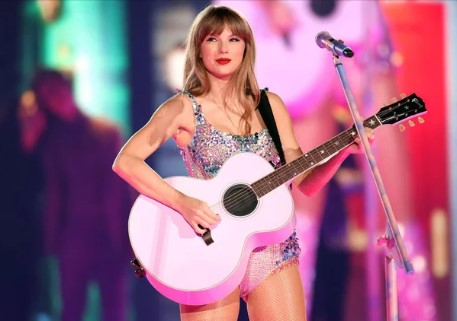
Taylor Swift faced false Nazi-related accusations after her album release, but new research shows the backlash was fueled by bot-like accounts manipulating the narrative.
Research Exposes Coordinated Online Smear Campaign
December 11, 2025: Taylor Swift’s latest album became the center of a bizarre controversy earlier this year after false claims linking her imagery to Nazi symbolism began circulating online. Now, new research reveals those accusations were not organic criticism — but part of a coordinated “narrative manipulation” effort driven largely by bot-like accounts.
The findings have shifted the conversation from scandal to digital misinformation, underscoring how easily online narratives can be manufactured.
The Attacks Spread Rapidly — and Artificially
According to the study, the earliest posts pushing Nazi comparisons came from accounts displaying hallmarks of automation: repetitive phrasing, identical posting patterns, and minimal verified activity. Within hours, these posts were amplified by networks of similarly structured accounts, making the criticism appear widespread despite originating from a small, artificial cluster.
Researchers say the swarm behavior suggests deliberate manipulation rather than legitimate cultural debate.
Why Taylor Swift Became a Target
Experts note that Swift’s cultural influence, political visibility, and massive online presence make her an ideal target for coordinated misinformation efforts. High-profile female entertainers often face meme-driven smears, but the scale and extremity of this episode stood out.
The false Nazi claims — shocking on their face — were designed to provoke outrage, generate virality, and derail the album’s narrative.
Analysts warn that even baseless claims can damage public discourse when amplified at scale.
Researchers Call It “Narrative Manipulation”
The report highlights that the controversy followed a textbook pattern of manufactured outrage:
small origin point
rapid bot amplification
emotional trigger phrases
attempts to hijack album discourse
spillover into mainstream comment sections
By the time fact-checkers intervened, screenshots and sensationalized claims had reached millions of users.
Fans Fought Back With Receipts
Swift’s fanbase quickly mobilized to debunk the accusations, sharing timelines, context, and visual references proving the claims were fabricated. They also pointed out the historical pattern of female artists being targeted with extreme or dehumanizing narratives online.
Their response helped curb the spread — but not before the story gained temporary traction.
HOLR notes that fandoms increasingly play a key role in countering online misinformation.
A Window Into the Future of Celebrity Misinformation
This incident highlights a growing threat: as social platforms evolve, coordinated bot networks can manufacture controversies that appear organic. Celebrities — especially those with political or cultural influence — may become recurring targets of misinformation campaigns.
Experts warn this is not just a Taylor Swift problem but a broader cultural issue affecting public figures, elections, and social movements.
Moving Forward
While Swift has not publicly addressed the research, industry insiders say the findings validate concerns artists have long expressed about misinformation, harassment, and online hostility. The study’s conclusions also raise renewed calls for platform accountability and AI-driven bot detection.
A Manufactured Controversy, Exposed
What began as a shocking accusation has now been revealed as a calculated attempt to distort public conversation around one of the world’s biggest artists. With research confirming bot-driven manipulation, the controversy serves as a cautionary tale about believing viral narratives at face value.
Published by HOLR Magazine