


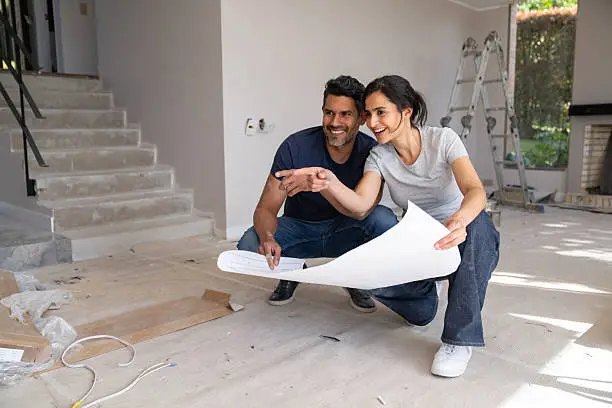
Owning a home is a big dream for many. It brings a sense of pride and security to your family. Keeping that dream alive requires some work behind the scenes.
Putting off small fixes might seem like a way to save money right now. Small leaks or loose boards often grow into massive headaches. Staying on top of these tasks keeps your budget safe and your home sturdy.
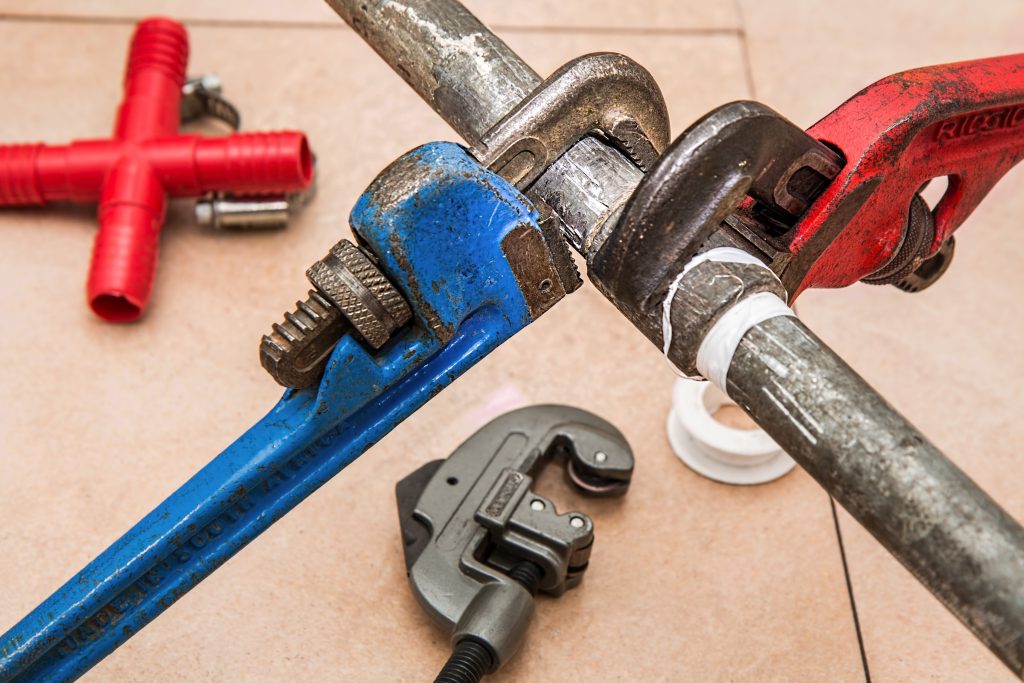
The High Price Of Waiting
Many people do not realize how much it takes to keep a property running. Hidden expenses like taxes and insurance add up fast for every owner. A recent study found that maintenance and other ownership fees can cost $15,979 per year on average.
These numbers might feel scary when you look at your bank account. Ignoring a small issue today leads to a much larger bill next season. Regular checks help you catch problems before they drain your savings.
Consistency is the best tool for any property owner. It keeps your monthly costs predictable and manageable. You can plan for small upgrades instead of reacting to total failures.
Common Maintenance Procrastination
Life gets busy, and home projects often fall to the bottom of the list. It is easy to ignore a creaky floor or a clogged gutter when you have other chores. Data shows that 71% of homeowners postponed at least one project in 2025 alone.
Professional inspections identify weak spots before they turn into costly interior repairs. Maintaining your residential roofing helps protect the entire structure from water damage. This simple step keeps your attic dry and your insulation effective.
Procrastination feels good in the short term – it saves time on a Saturday afternoon. Long-term results are usually much more expensive for your wallet. Choosing to act now prevents a minor crack from becoming a major structural flaw.
Dealing With Unexpected Repairs
Surprises are rarely fun when they involve your plumbing or electrical systems. Most people will face a sudden repair that they did not see coming. Recent reports show that 85% of homeowners faced unexpected repair issues in 2025.
This rate is nearly double what people reported just a year before that. The frequency of these events means you must be ready for anything. Setting aside a small fund for these moments is a smart move.
- Check your HVAC filters every month
- Clear debris from your drainage pipes
- Inspect windows for broken seals
- Test your smoke detectors twice a year
Rising Costs Of Labor And Parts
Everything seems to cost more than it did a few years ago. Materials and parts for your home are no exception to this trend. Market analysis shows the average cost of home repairs jumped 4% year over year.
Inflation hits the home improvement sector just like it hits the grocery store. Buying parts today is cheaper than buying them next year. Waiting to fix a door or a window only increases the final price tag.
Budgeting for these increases is a key part of financial health. You need to account for these shifts when planning your yearly home goals. Smart owners buy materials early to lock in lower rates.
Future Projections For Home Spending
The amount of money spent on houses continues to climb across the country. People are investing more in their living spaces than ever before. Experts predict annual homeowner spending on improvements will reach $522 billion by the end of 2026.
This massive number shows that people value their homes as long – term assets. Investing in your property helps it keep its value. It is a way to build wealth for your future family’s needs.
Big spending projects often focus on modernizing old systems. New technology makes homes more efficient and cheaper to run. These upgrades pay for themselves through lower utility bills every month.
Labor Shortages Affecting Timelines
Finding a good contractor is harder than it used to be. There are fewer workers available to handle the high demand for repairs. One industry report mentions labor costs will continue rising 6 – 8% due to workforce scarcity in 2026.
This shortage means you might wait longer for a professional to arrive. Scheduling your work during the off – season can help you beat the rush. It gives you more time to vet the people working on your house.
Higher labor rates mean you should value the pros you find. Building a good relationship with a local repair team is very helpful. They might prioritize your needs if you are a loyal customer.
Investing In Large Replacements
Some parts of a home eventually reach the end of their life cycle. Replacing these big items is a major financial step for any family. Current market data suggests the cost to replace a roof ranges from $5,841 to $12,835.
Waiting until a system fails completely is a risky strategy. A failing system can cause damage to other parts of your property. For example, a leaky roof can ruin your ceilings and your furniture.
Poor upkeep can even lead to trouble with your insurance provider. A recent article noted that unserviceable conditions can result in insurance exclusions or higher deductibles. Keeping your home in good shape keeps your coverage active and affordable.

Taking care of your house is a marathon rather than a sprint. Small efforts made every month keep the big disasters at bay. You will feel much better knowing your property is safe and sound.
A well – maintained home is a happy place to live. It provides a stable environment for you to relax and grow. Investing time today means you can enjoy your space for many years to come.