


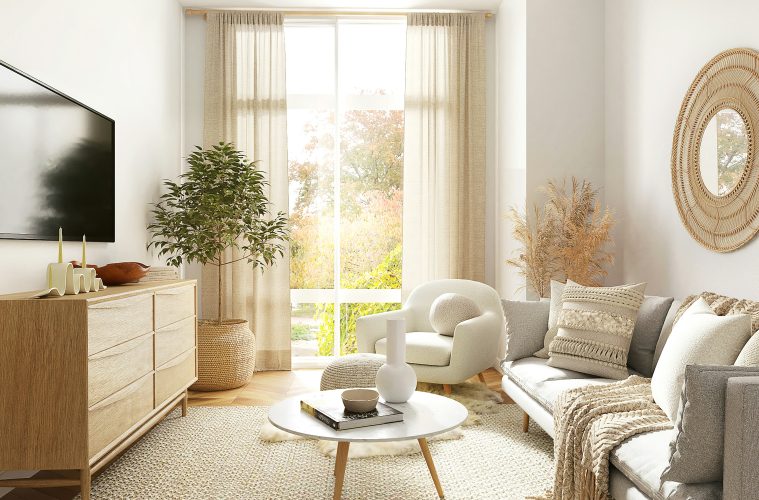
Feeling at home is more than matching paint chips. It is the sum of small choices that tells your brain and body to relax.
Comfort starts with the senses. When sight, sound, touch, and temperature work together, your rooms feel easy, safe, and welcoming.

Start With A Calming Temperature
If a room is too hot or too cold, it is hard to unwind. The right temperature supports slow breathing and deeper rest. Aim for steady conditions so your body does not need to adjust.
A trusted sleep resource notes that most people rest best between 65 and 68°F. Use a simple thermostat schedule so evenings cool down and mornings warm up. If you sleep hot, try light bedding and a breathable mattress pad.
Moisture matters too. Keep indoor humidity in a moderate range, so air feels fresh, not clammy. Crack a window when cooking or showering, and run the fan until the mirrors clear. Small habits like these make the air feel cleaner and kinder.
Use Textures That Invite Touch
Comfort is physical. When textures are soft and varied, your body instantly relaxes. Mix smooth leather with chunky knits, crisp cotton with plush velvet, and cool wood with cushy rugs.
Choose relaxed seating that hugs the body. A low lounge chair, a deep sofa, or a giant floor cushion can signal off-duty time. You can also take a look at beanbagsrus.com for pieces like oversized bean bags to make informal hangouts easy. Aim for balance so the room feels cozy without looking messy.
Layer textiles where you linger. Fold a throw at the sofa end, add a lumbar pillow to your chair, and land bare feet on a thick rug. These simple touches turn a room into a retreat.
Declutter With Purpose, Not Perfection
Clutter can feel like noise. You do not need a showroom to feel calm, but you do need clear paths and visible surfaces. Keep what you use and love, and give the rest a home, or let it go.
Try a quick routine that sticks:
- 5 minutes to reset surfaces each night
- 1 basket for daily odds and ends
1 small donation bag that fills every week
Store by activity. Put board games near the coffee table, pet gear by the door, and craft supplies by the desk. When items live where you use them, tidying takes less time and feels natural.
Create Quiet Zones For Rest
Noise wears you down even when you do not notice it. Build pockets of quiet so your brain can switch gears. Bedrooms and reading corners benefit most from soft soundscapes.
Add soft materials that absorb sound. Heavy curtains, full bookshelves, and padded headboards tone down the echo. A thick rug under the bed or sofa can hush footfalls and make a room feel grounded.
Use simple cues to reduce disruption. Close doors during recharge time, keep your phone on focus mode, and add a small white noise machine if street sounds creep in. Peace is a habit you can design.
Personalize With Meaningful Details
Comfort grows when your home reflects you. Display things that mark your story and values. A place that looks like you will always feel better than a perfect trend.
Curate small collections that make you smile. Frame a kid’s drawing, thrift a handmade bowl, or print a travel snapshot. Rotate pieces through the year so the room always feels fresh.
Keep personal items at eye level where you linger. A photo by the kettle, a note on the desk, or a plant on the nightstand adds warmth. These quiet anchors help your space feel safe and loved.
Use Colors That Soothe And Support
Color sets the emotional tone. Soft neutrals create a calm base, while muted blues and greens feel fresh and restful. Bold colors can still work when used in small hits.
Test paint in daylight and at night. A color that looks airy at noon may turn heavy at dusk. Put up sample swatches and live with them for a few days before you commit.
Balance warm and cool notes so the room feels steady. A warm wood table can offset cool gray walls. A leafy plant can keep a monochrome palette from feeling flat.
Bring Nature In, Every Day
Natural elements steady the nervous system. Plants, wood, stone, and daylight connect your home to the outdoors. Even small doses change the mood.
Open blinds as part of your morning ritual. Let natural light set your body clock and lift your energy. At night, close curtains to create a cocoon and protect sleep.
Choose easy plants if you are new to greenery. A pothos on a shelf, a snake plant by the TV, or herbs by the kitchen window add life with little fuss. Natural textures and living things make rooms breathe.

Feeling truly comfortable at home is not a single purchase. It is a handful of habits that tune your senses and lower the volume on stress. Start small, keep what works, and let your space evolve with you.
Published by HOLR Magazine.