


Understanding the scale behind a widely cited statistic
The origin of the 30,573 figure
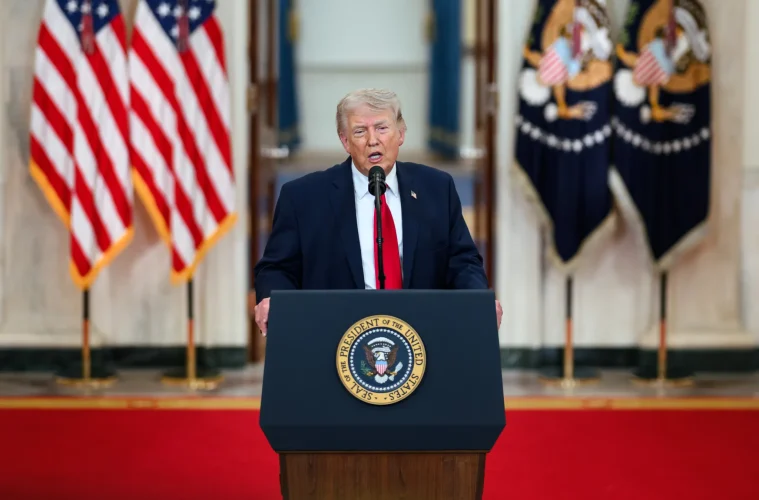
April 21, 2026: The claim that Donald Trump made 30,573 false or misleading statements during his presidency has been widely circulated in media and public discourse. The figure originates from a long-running fact-checking project conducted by The Washington Post, which tracked statements made by Trump from 2017 to 2021.
According to that project, the count reflects claims that were determined to be false, misleading, or lacking evidence, based on available data at the time. The number itself has become a headline statistic, often used to summarize broader concerns about accuracy and accountability in political communication.
Image Credit: Getty Images
What qualifies as “false or misleading”
The classification of statements as false or misleading involves editorial judgment. Fact-checkers evaluate claims against verifiable data, official records, and expert analysis. Statements may be labeled misleading if they omit key context or present information in a way that creates a false impression, even if not entirely inaccurate.
This distinction is important because it explains how such a high number can accumulate. Not every instance represents a completely fabricated claim; many involve partial truths or exaggerations that, when repeated, contribute to the overall count.
Frequency and context over four years
Spread across a four-year presidency, the figure reflects a high frequency of contested statements. Analysts have noted that the pace increased over time, particularly during major events such as election cycles and national crises
The statistic is often cited to illustrate patterns rather than isolated incidents. It suggests a communication style that frequently relied on assertions that were later challenged or corrected, shaping how Trump’s presidency was perceived both domestically and internationally.

Image Credit: Getty Images
Supporters’ perspective and criticism of the count
Supporters of Donald Trump have questioned the methodology behind such counts, arguing that fact-checking can be subjective and influenced by editorial bias. They contend that some statements labeled as misleading may reflect interpretation or political framing rather than clear factual errors.
Critics, on the other hand, view the figure as a meaningful indicator of a broader issue with accuracy in political messaging. The debate around the number highlights how data can be interpreted differently depending on perspective.
The role of media fact-checking
The prominence of this statistic underscores the growing role of fact-checking in modern journalism. Organizations like The Washington Post have invested heavily in tracking public statements, reflecting increased demand for accountability in political discourse.
Fact-checking projects aim to provide transparency, but they also raise questions about how information is categorized and presented. The Trump presidency, in particular, brought these issues into sharper focus, making fact-checking a central part of political reporting.
Image Credit: Win McNamee/Getty Images
Why the number continues to circulate
Even after Trump’s presidency ended, the 30,573 figure remains widely referenced. Its persistence reflects both its scale and its symbolic value. For many, it encapsulates a defining aspect of his time in office.
Numbers like this often gain traction because they simplify complex narratives into a single, memorable statistic. However, understanding the context behind the number is essential to interpreting its significance accurately.
Broader implications for political communication
The discussion around this figure extends beyond any single individual. It raises broader questions about how political leaders communicate, how information is verified, and how audiences interpret competing claims.
In an era of rapid information exchange, the line between fact, interpretation, and misinformation can become blurred. The attention given to Trump’s statements highlights the importance of critical evaluation and media literacy.
Image Credit: Getty Images
A statistic that sparks ongoing debate
The 30,573 claim is less about a precise number and more about what it represents. It continues to be debated, cited, and scrutinized, reflecting deeper divisions in how people view media, politics, and truth.
Whether seen as a definitive measure or a contested figure, it remains a significant part of the conversation حول political accountability and communication.
Final Thoughts
The statistic that Donald Trump made 30,573 false or misleading claims during his presidency is both impactful and debated. While it originates from a detailed fact-checking effort by The Washington Post, its interpretation varies widely depending on perspective.
Ultimately, the figure serves as a lens through which broader discussions about truth, media, and political communication continue to unfold.
FAQs
Q1: Where does the 30,573 number come from?
It comes from a fact-checking database maintained by The Washington Post.
Q2: What does “false or misleading” mean in this context?
It includes statements that are inaccurate, lack evidence, or present information in a misleading way.
Q3: Is the number universally accepted?
No, it is debated, with supporters questioning the methodology and critics supporting its conclusions.
Q4: Why is this statistic important?
It highlights concerns about accuracy and accountability in political communication.
Q5: Does this apply to other politicians?
Fact-checking is used across politics, but the scale of this figure has made it particularly notable.
Published by HOLR Magazine