


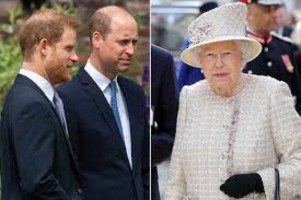
As tensions between Prince William and Prince Harry continue, royal watchers reflect on how Queen Elizabeth II may have approached the situation if she were still guiding the family.
A Rift That Still Shapes the Royal Narrative
April 14, 2026 — Few family tensions have remained as publicly visible or as quietly unresolved as the distance between Prince William and Prince Harry. What began as subtle differences in approach has, over time, grown into something more pronounced. Public appearances are separate, statements are carefully measured, and the sense of closeness that once defined their relationship now feels noticeably absent.
In moments like this, it’s difficult not to think about Queen Elizabeth II and how she might have handled a situation that blends personal emotion with institutional responsibility.
Because for decades, she managed exactly that balance.
The Queen’s Approach to Conflict
Queen Elizabeth II rarely addressed family tensions publicly, but her actions often spoke with clarity. Her approach wasn’t about confrontation it was about containment.
She understood that in a family as visible as the royal household, conflict doesn’t just stay internal. It becomes narrative. And once it becomes narrative, it shapes perception.
Rather than reacting quickly, she often allowed situations to settle before stepping in. That patience wasn’t passive it was strategic. It created space for emotions to cool, for perspectives to shift, and for resolution to feel less forced.
If applied today, that same approach would likely mean less public engagement with the rift and more focus on quiet, behind-the-scenes efforts.
Image credit:- The Week
Balancing Family and Institution
One of the defining aspects of the Queen’s leadership was her ability to separate personal relationships from institutional duty without dismissing either.
With William and Harry, that balance would be particularly delicate. On one hand, they are brothers. On the other, they occupy very different positions within the monarchy.
Queen Elizabeth II consistently prioritized the stability of the institution, but she also made room for personal reconciliation when possible. She understood that unresolved personal tensions could eventually affect public perception.
So rather than choosing one over the other, she tended to hold both in place allowing time to do part of the work.
The Power of Quiet Mediation
Unlike more direct leadership styles, the Queen’s influence often operated through subtle intervention. Private conversations, carefully timed meetings, and symbolic gestures played a significant role in how she managed internal dynamics.
In the case of William and Harry, it’s likely she would have encouraged moments of connection away from public scrutiny. Not grand reconciliations, but smaller, more manageable interactions.
Because in her view, resolution didn’t need to be visible to be effective.
That kind of quiet mediation can be difficult to recognize from the outside, but it often proves more sustainable in the long term.

Image ccredit :- GB News
Avoiding Public Escalation
Another key element of the Queen’s approach was restraint. Public responses were measured, often minimal, and designed to prevent further escalation.
In today’s media environment where every statement is amplified this kind of restraint becomes even more significant.
Rather than addressing every development, she would likely have focused on maintaining a consistent tone. No reactive messaging, no visible alignment with one side over the other.
That neutrality, while sometimes frustrating to observers, helped preserve a sense of stability.
And in situations like this, stability often matters more than resolution at least in the short term.
The Role of Time in Resolution
If there’s one consistent thread in how Queen Elizabeth II handled challenges, it’s her reliance on time as a factor in resolution.
She rarely rushed decisions, especially when they involved personal relationships. Instead, she allowed situations to evolve naturally, stepping in only when necessary.
For William and Harry, that might mean accepting that reconciliation doesn’t happen on a fixed timeline. It unfolds gradually, shaped by changing circumstances and shifting perspectives.
That patience can be difficult to maintain, particularly under public scrutiny. But it’s also what made her approach effective.

Image credit:- Social Media
A Modern Context, A Timeless Approach
Of course, the context today is different. The media landscape is faster, more immediate, and far more intrusive than it was for much of the Queen’s reign.
Social media adds another layer, turning private dynamics into public discussion almost instantly.
Even so, the principles she relied on patience, discretion, and balance remain relevant. They may need to be adapted, but they don’t lose their value.
In fact, in a more reactive environment, those qualities arguably become more important.
What This Means Moving Forward
While it’s impossible to say exactly how Queen Elizabeth II would handle the current situation, patterns from her leadership offer a sense of direction.
She would likely avoid public intervention, focus on private dialogue, and allow time to ease tensions rather than forcing immediate resolution.
That approach doesn’t guarantee reconciliation but it creates the conditions for it.
And sometimes, that’s the most realistic outcome.
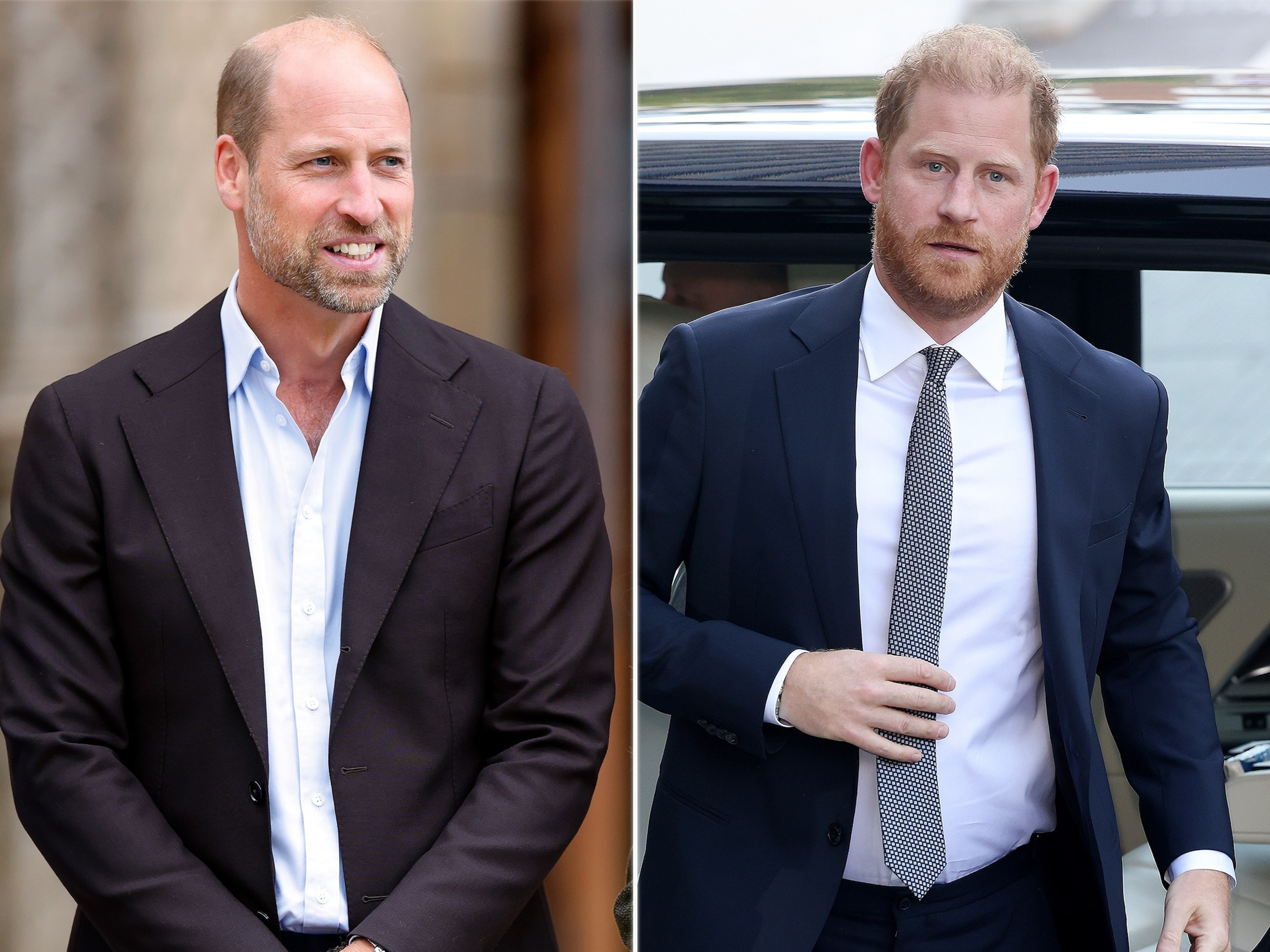
Image credit:- ABC News
Final Thoughts: A Legacy of Steady Leadership
The relationship between Prince William and Prince Harry continues to evolve, shaped by both personal and public factors. In the absence of Queen Elizabeth II, there’s a noticeable shift in how these dynamics are perceived and managed.
Her legacy, however, still offers a reference point. Not as a solution, but as a framework one that values patience over urgency, discretion over visibility, and balance over reaction.
Whether that approach would resolve the current rift is uncertain.
But it would almost certainly change how it unfolds.
FAQs
- What is the rift between Prince William and Prince Harry?
It refers to ongoing tensions and distance in their relationship. - How did Queen Elizabeth II handle family conflicts?
She used patience, discretion, and private mediation. - Would she have intervened publicly?
Unlikely—she preferred handling issues behind the scenes. - Could her approach resolve the rift?
It may not guarantee resolution but could ease tensions. - Why is her leadership style relevant today?
It offers a steady, balanced approach in a fast-moving media environment. - Did she prioritize family or monarchy?
She balanced both carefully. - What role does time play in her approach?
She allowed time to naturally de-escalate conflicts. - Is reconciliation still possible?
Yes, but it depends on both individuals and circumstances.
What are the biggest stories trending online today? Read the latest here
Published by HOLR Magazine
Image Credit: People Magazine